

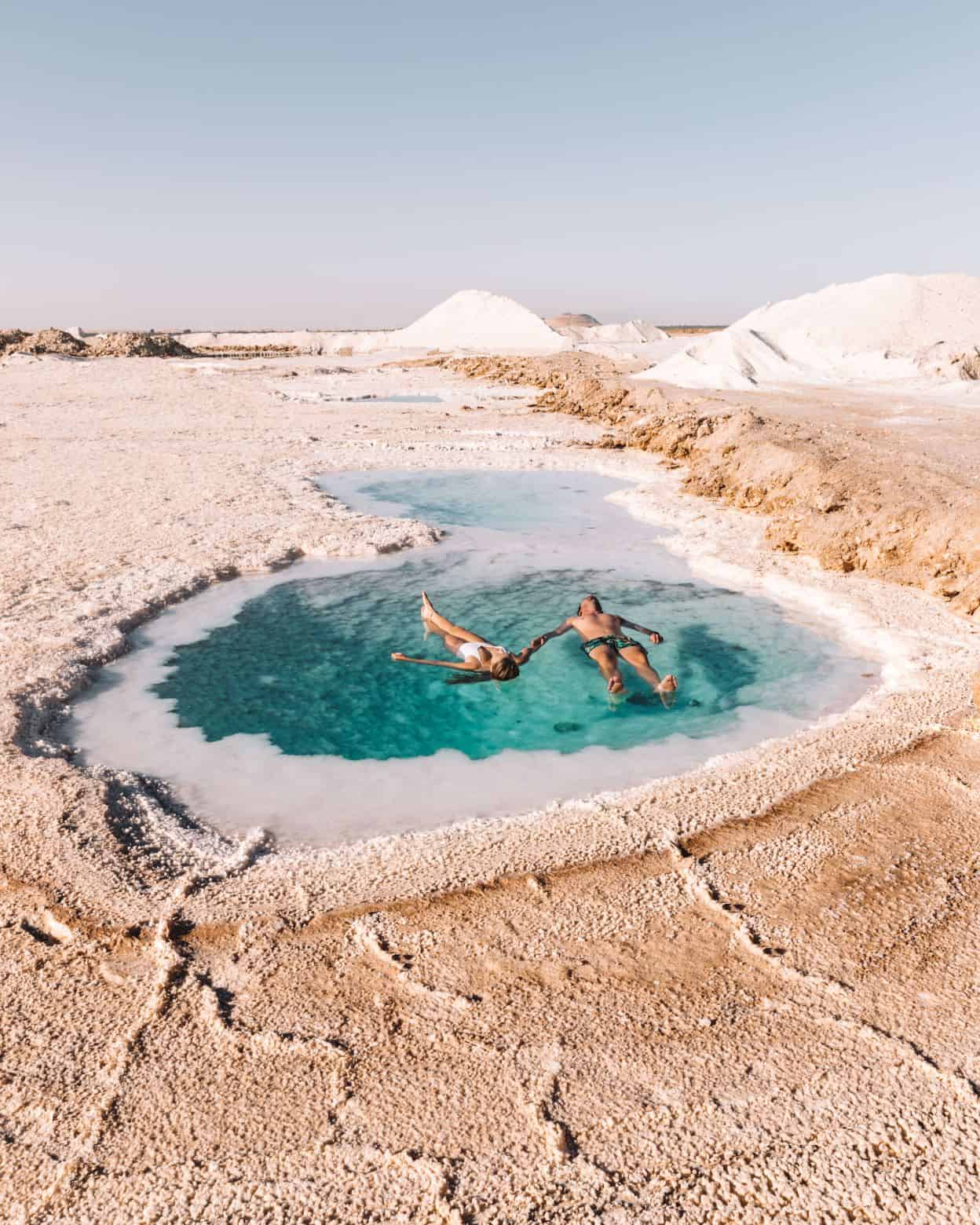

Introduction to Siwa Oasis
Siwa Oasis, located in the western desert of Egypt, is a captivating destination known for its distinctive charm and rich cultural heritage. Situated approximately 50 kilometers from the Libyan border, this natural expanse is an oasis of tranquility amid the arid desert landscape. Siwa is renowned for its stunning palm groves, expansive sand dunes, and natural springs, which contribute to its reputation as a lush haven.
The oasis is home to the Siwan people, an indigenous Berber community that has preserved its unique traditions and lifestyle for centuries. The Siwan culture is characterized by its rich history, with archaeological sites dating back to ancient times. Travelers visiting Siwa can experience the vibrant local customs, including traditional music, dance, and cuisine, which reflect the strong ties the community has to its land and history.
In addition to its cultural significance, Siwa Oasis is steeped in historical relevance. It is famously associated with the ancient Oracle of Amun, where visitors from far and wide sought the wisdom of the deity. This Oracle was a pivotal religious site for ancient Egyptians and is often regarded as a place of pilgrimage. The ruins of the Temple of the Oracle still stand today, inviting exploration and reflection on the past.
Siwa Oasis is undeniably an idyllic destination for adventurous travelers in search of a unique experience. Its remote location and unspoiled beauty make it a perfect alternative to the more frequently visited sites in Egypt. For those seeking an escape into nature, history, and culture, Siwa Oasis truly offers an unforgettable adventure that promises to enrich the spirit and broaden the horizon.
The Wonders of Siwa Oasis: Things to Do
Siwa Oasis, a gem of Egypt, offers a myriad of activities and attractions that are sure to engage every wanderer. One of the highlights of this region is the Temple of the Oracle, a significant site where one can delve into ancient history. This temple was once a famed pilgrimage location, frequented by those seeking guidance from the oracle, and studying its ruins invites visitors to reflect on its mystical past.
Another not-to-miss destination is the Cleopatra Spring, renowned for its crystal-clear waters and tranquil ambiance. It is said that this spring, encompassed by lush palm groves, was frequented by Cleopatra herself. Here, visitors can indulge in a refreshing swim or unwind alongside the serene waters.
The surrounding landscape offers breathtaking opportunities for adventure, particularly in the Great Sand Sea, where activities such as dune bashing provide an exhilarating experience. For those seeking a more relaxed approach to adventure, sandboarding down the majestic dunes is an exciting way to engage with the terrain.
As night falls, the clear skies over Siwa reveal a spectacular display of stars, making it an ideal location for stargazing. This peaceful experience fosters a connection with nature that is often hard to find in more urban environments.
Beyond adventure, Siwa also offers rich cultural experiences. Visitors have the chance to taste traditional Siwan cuisine, which reflects the unique flavors of the region, often featuring locally sourced ingredients. Furthermore, exploring local handicrafts provides insight into Siwa’s artistic traditions, where artisans create beautiful works that encapsulate their heritage.
With such varied attractions and activities, Siwa Oasis stands as a unique destination that beautifully intertwines adventure with cultural richness, promising an unforgettable experience for all who visit.
Planning Your Trip to Siwa
When considering a journey to the enchanting Siwa Oasis, careful planning is essential to ensure a smooth and enjoyable expedition. The optimal times to visit this picturesque destination typically fall between October and April when the climate is milder, offering respite from the extreme heat often experienced during the summer months. During this period, daytime temperatures are generally around 20-25°C (68-77°F), making outdoor explorations much more pleasant.
Travelers can access Siwa Oasis through various transportation options. The most common route is to first reach Cairo, where a multitude of buses operate direct services to Siwa. The journey can take approximately 10-12 hours, so it is advisable to book an overnight bus for convenience. Alternatively, private cars can be rented or a tour company can organize transportation for added comfort and flexibility. While the road from Cairo to Siwa is relatively straightforward, caution is advised due to sometimes rough terrain in desert areas.
Accommodation in Siwa is diverse, catering to a variety of preferences and budgets. Luxurious resorts offer modern amenities and stunning views of the surrounding landscape, while mid-range guesthouses provide a comfortable and authentic local experience. Budget travelers can also find affordable options, such as hostels and homestays, which enable them to immerse themselves in the local culture. Regardless of choice, it is advisable to book accommodations in advance, particularly during peak travel seasons.
Travel permits are not typically required for visiting Siwa Oasis; however, it is wise to ensure that your passport is valid and within the required duration. When preparing for this enchanting destination, be aware of the unique climate and environment. Sun protection is crucial, so packing sunscreen, hats, and sunglasses is highly advisable. It is also prudent to bring a reusable water bottle to stay hydrated amidst the dry, desert conditions.
Cultural Immersion and Responsible Travel
When exploring the enchanting Siwa Oasis, cultural immersion and responsible travel are paramount. The Siwan community possesses a rich heritage, characterized by distinct traditions, languages, and practices that have thrived over centuries. Visitors are encouraged to engage with local customs respectfully, fostering a connection that honors the community’s values and way of life.
To begin with, one effective approach to cultural immersion is to interact directly with the Siwan people. Participating in local events or festivals, such as the annual Date Festival, allows travelers to witness traditional Siwan music, dance, and art. This not only enriches the visitor’s experience but also helps support local artisans and performers. Learning basic Siwan phrases can also facilitate deeper conversations, demonstrating genuine interest and respect for the local culture.
Moreover, responsible travel practices are crucial in preserving Siwa’s unique environment and cultural identity. Choosing eco-friendly accommodations such as locally-run guesthouses can significantly contribute to the community’s economy while minimizing environmental impact. Additionally, engaging in sustainable activities—like guided nature walks and using bicycles instead of motorized vehicles—ensures that the pristine landscapes remain unspoiled for generations to come.
Volunteering opportunities are another avenue through which travelers can give back to the community. Participating in initiatives aimed at preserving natural resources or supporting local education not only aids Siwa’s development but also creates an enriching experience for the volunteer. By being an active participant in the cultural tapestry of Siwa, visitors play a vital role in promoting sustainable tourism.
Incorporating these practices into a trip to the Siwa Oasis not only enhances one’s travel experience but also ensures the responsible stewardship of the region’s cultural and environmental treasures. Through respectful engagement and commitment to sustainability, travelers can help secure the future of this magical destination while leaving it as a legacy for the next generations to explore.
Book Your Siwa Oasis Trip Explore Siwa with Local Guides
0 Comment