

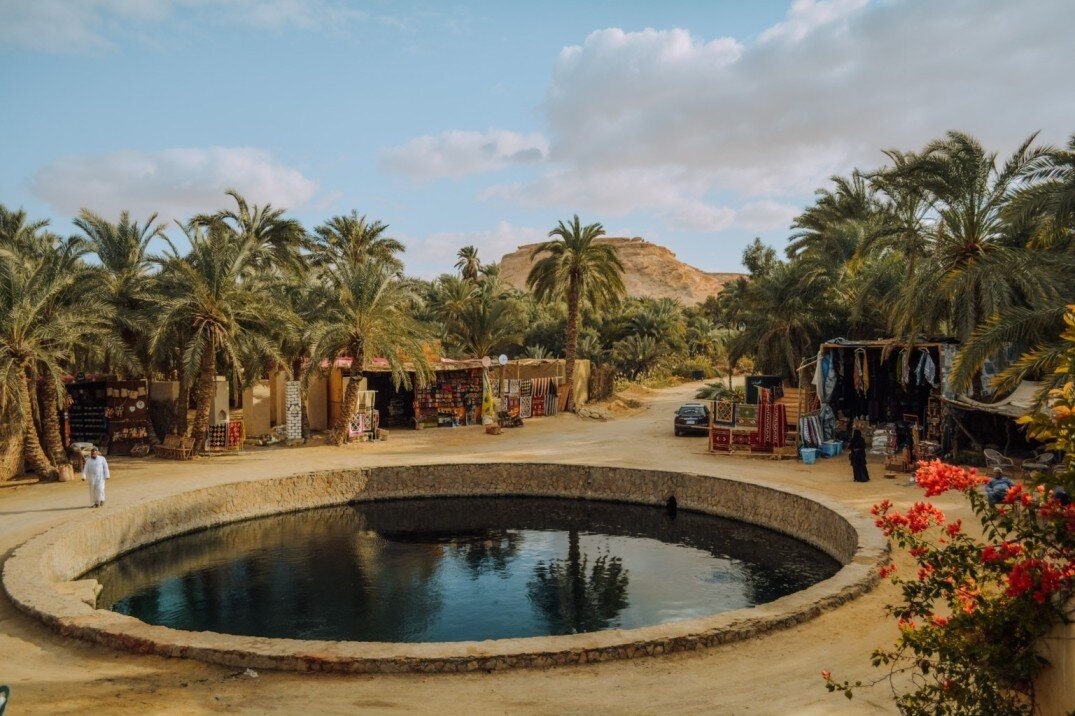

Introduction to Historical Tourism in Egypt
Egypt has long been celebrated as a destination steeped in rich history and archaeological significance, positioning it prominently on the global tourism map. Historical tourism in Egypt encompasses a variety of experiences that allow travelers to engage with its remarkable heritage, culture, and ancient civilizations. From the majestic pyramids of Giza to the serene temples of Luxor, the country’s historical sites are not merely remnants of the past; they actively attract millions of visitors each year.
The significance of historical tourism in Egypt cannot be overstated. It plays a crucial role in the nation’s economy, contributing significantly to job creation and local development. Tourists from all over the globe flock to explore the diverse offerings that Egypt provides, including guided tours of the Valley of the Kings, excursions to the legendary temples of Karnak and Philae, and immersions into the cultural narratives surrounding the life along the Nile River. Each of these experiences offers insight into the lives of ancient Egyptians, making the journey not only one of leisure but also of profound learning.
Moreover, the unique experiences offered by Egypt’s historical tourism extend beyond mere sightseeing. Visitors are often drawn to the stories behind the artifacts found in museums and archaeological sites, bringing history to life in tangible ways. The preservation of these historical sites has fostered a sense of pride among Egyptians and nurtured a deeper understanding of their heritage, while simultaneously promoting cross-cultural exchanges with international visitors. In summary, historical tourism in Egypt opens a portal to the past, allowing travelers to witness the grandeur of ancient civilizations, reinforcing the country’s status as a key player in the global tourism industry.
Key Ancient Sites to Explore
Egypt’s ancient heritage is one of the richest in the world, with historical tourism becoming increasingly popular as travelers seek to immerse themselves in its profound history. Among the most significant sites to visit is the Great Pyramids of Giza, which have stood as a monumental testament to ancient Egyptian civilization for over 4,500 years. This UNESCO World Heritage site includes the iconic Pyramid of Khufu, the largest of the three, alongside the Pyramids of Khafre and Menkaure. These architectural marvels continue to fascinate visitors with their scale, precision, and the mysteries surrounding their construction.
Another crucial destination is the ancient city of Luxor, often referred to as the world’s greatest open-air museum. Home to the magnificent temples of Karnak and Luxor, this area was the heart of ancient Thebes. The Karnak Temple Complex is the largest temple complex in Egypt and is dedicated to the Theban triad of Amun, Mut, and Khonsu. Its vast array of temples, chapels, and pylons offers deep insights into the religious practices and architectural capabilities of the ancient Egyptians.
Further enriching the historical tapestry of Egypt is the Valley of the Kings, the royal burial ground of pharaohs. This necropolis houses magnificent tombs, including that of Tutankhamun, showcasing intricate hieroglyphics and vibrant wall paintings that provide context about the beliefs surrounding the afterlife. Visitors to this site are not only treated to breathtaking art but also an opportunity to gain a deeper understanding of the ancient Egyptian burial customs.
In addition to these renowned sites, other historical landmarks such as the temples of Abu Simbel and the step pyramid of Djoser at Saqqara contribute to the allure of Egypt’s historical tourism. Each of these locations serves as a reminder of the ingenuity and artistic expression that characterized ancient Egyptian civilization. The overall experience of exploring these ancient sites is enhanced by knowledgeable guides who can provide valuable insights, making the visit informative and enriching.
Cultural Heritage and Its Impact on Tourism
Egypt’s cultural heritage stands as a testament to its rich history, influencing the tourism industry significantly. The preservation of ancient sites, including the illustrious pyramids of Giza and the temples of Luxor, plays a vital role in attracting millions of international visitors. These sites represent not just the architectural prowess of ancient civilizations but also serve as crucial links to the past, providing insights into ancient Egyptian life, religion, and governance.
Museums, such as the Egyptian Museum in Cairo, further enhance the understanding of this heritage by showcasing artifacts and mummies that date back thousands of years. Through the conservation efforts implemented within these institutions, Egypt has ensured that these invaluable pieces of history are protected for future generations. The museum experience not only educates tourists but also fosters appreciation for the complexity and beauty of ancient Egyptian civilization.
Cultural festivals, often held across various regions, contribute significantly to the tourism narrative as well. Events such as the Abu Simbel Sun Festival attract attention not only for their historical context but also for their community involvement and celebration of Egyptian culture. Through these festivities, local traditions are preserved, and communities engage with visitors, facilitating cultural exchange and enhancing the overall tourist experience.
The relationship between local communities and tourism is essential, as the economic benefits derived from the influx of tourists can lead to improved infrastructure and services. However, it is crucial to strike a balance; sustainable tourism practices must be upheld to ensure that the cultural sites and traditions are not only preserved but also respected. Consequently, it is imperative for local stakeholders to participate actively in tourism planning, allowing them to voice their concerns and aspirations, ultimately leading to a more sustainable tourism framework in Egypt.
The Challenges and Future of Historical Tourism in Egypt
Historical tourism in Egypt faces a multitude of challenges that threaten both the integrity of its ancient sites and the overall visitor experience. One significant issue is environmental degradation, which can result from both tourist activities and broader climate change influences. For example, increased foot traffic at archaeological sites can lead to erosion and damage, impacting the preservation of these invaluable treasures. Furthermore, rising temperatures and shifting weather patterns may pose additional risks to the structural integrity of monuments.
Security concerns also weigh heavily on the prospects for historical tourism. Regional instability and political unrest have, at times, led to decreased tourist arrivals, which can directly affect the livelihoods of those dependent on this sector. The perception of risk may deter potential visitors, hence underscoring the need for effective marketing strategies to re-establish confidence in the safety of traveling to Egypt.
Modernization, while essential for progress, can clash with historical preservation. The rapid development of urban areas surrounding ancient sites often results in the construction of modern infrastructures that overshadow and detract from the historical ambiance. Striking a balance between contemporary needs and historical conservation is crucial for sustainable tourism.
In light of these challenges, potential strategies must be employed to foster sustainable tourism development in Egypt. Initiatives might include implementing stricter regulations on visitor access to sensitive cultural sites, increasing funding for conservation projects, and improving the overall infrastructure to better handle tourist numbers. Additionally, the promotion of educational campaigns aimed at tourists can enhance awareness of the importance of preserving Egypt’s heritage.
By developing comprehensive policies that address these complexities, Egypt can not only protect its historical sites but also enrich the experience of its visitors, thereby ensuring that historical tourism remains a vibrant facet of its economy and culture.
Ready to Explore Egypt’s History? Discover Egypt’s ancient landmarks, archaeological sites, museums, and cultural experiences for an unforgettable journey through history. Discover Egypt’s Ancient Heritage: Learn more about Egypt’s historic monuments, archaeological treasures, and world-famous heritage sites.
0 Comment