

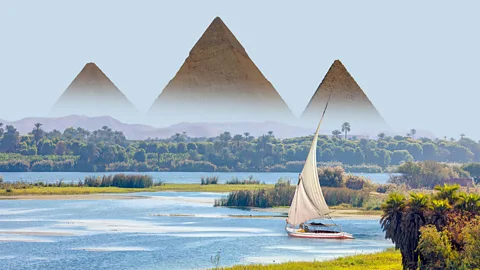

Ancient History Along the Nile: The Nile’s Historical Significance
Ancient History along the :contentReference[oaicite:0]{index=0} is deeply tied to the rise of Egyptian civilization, often referred to as the lifeblood of the nation. This mighty river, stretching approximately 6,650 kilometers, played a crucial role in shaping Ancient History by facilitating the growth of agriculture, trade, and urban development, establishing the foundations for a complex society that thrived for millennia. The predictable annual flooding of the Nile deposited nutrient-rich silt along its banks, creating fertile land that allowed for the cultivation of various crops, including wheat and barley, essential to sustaining the population and preserving Ancient History across generations.
In addition to agricultural benefits, the Nile served as a vital waterway for transportation and trade. Much of ancient Egypt’s economy relied on the river for the movement of goods and resources between the bustling cities of Luxor and Aswan, enriching interactions between different regions. Boats powered by the currents of the Nile not only facilitated trade but also promoted cultural exchange, connecting diverse communities, enabling them to share their customs, technologies, and ideas.
Furthermore, the positioning of cities along the Nile was no mere coincidence; the river acted as a natural boundary that defined territorial lines and provided access to necessary resources. Historical sites along the Nile, such as Luxor’s grand temples and ruins, demonstrate the architectural achievements made possible due to this abundant resource. Ancient Egyptians revered the Nile, integrating its significance into their mythology, where it was personified as a deity essential for their survival. This reverence influenced their religion, art, and literature, reinforcing the river’s essential role in their everyday lives.
As one embarks on the journey from Luxor to Aswan, it becomes evident that the Nile’s historical significance extends beyond mere geography; it encapsulates the very essence of ancient Egyptian life, culture, and progress.
Ancient History in :contentReference[oaicite:0]{index=0}: Temples and Tombs Highlights
Luxor, often referred to as the “world’s greatest open-air museum,” is home to some of the most significant monuments of ancient Egyptian history. The city boasts numerous temples and tombs that offer insight into the lives of pharaohs and nobles. Among these, the Karnak Temple stands out as a monumental complex dedicated to the Theban triad, including the sun god Amun-Ra. This majestic site features sprawling halls, intricately carved walls, and massive obelisks that reflect the architectural skill of the ancient Egyptians.
Another notable site is the Valley of the Kings, which has served as the final resting place for many of Egypt’s rulers, including Tutankhamun. The valley contains over 60 tombs, showcasing the rich burial traditions and artifacts that were believed to accompany the deceased into the afterlife. Each tomb presents unique wall paintings and inscriptions that provide a glimpse into the beliefs, culture, and practices of ancient Egyptians.
The Temple of Hatshepsut, dedicated to the only female pharaoh, is also a highlight of Luxor. This mortuary temple is renowned for its unique architecture, which harmonizes with the surrounding cliffs and features impressive terraces and colonnades. The temple not only serves as a tribute to Hatshepsut’s reign but also represents her significance in a traditionally male-dominated society.
Visitors to Luxor are encouraged to explore these historical sites at dawn or dusk to avoid the heat and experience the serene ambiance. Guided tours often provide detailed historical context, enhancing the experience. While visiting these sacred sites, it is important to respect the cultural significance and adhere to the regulations set forth by the Egyptian authorities, ensuring the preservation of these ancient treasures for future generations.
Cruising the Nile: A Unique Perspective
The experience of cruising the Nile River is unlike any other, offering a distinctive vantage point from which to appreciate the stunning landscape that surrounds this historic waterway. As the longest river in the world, the Nile flows through unparalleled scenery that includes lush green banks juxtaposed against the arid desert backdrop. Passengers aboard river cruises are treated to a dynamic panorama that reveals ancient temples, bustling villages, and breathtaking sunsets, all of which contribute to an unforgettable journey.
Onboard amenities further enhance the cruising experience, with many vessels resembling floating hotels that provide modern comforts amid the historical setting. Travelers can enjoy spacious cabins, fine dining featuring local cuisine, and various leisure facilities like pools, bars, and lounges. The comfortable environment encourages relaxation and social interaction, allowing guests to unwind while soaking in the beauty of the Nile, whether from the deck or a private balcony.
Cultural experiences abound during these river cruises, often including guided excursions to significant archaeological sites and vibrant markets. Guests may explore the grandeur of ancient temples such as Karnak and Luxor, or take part in traditional crafts workshops in local communities. These excursions serve to deepen the appreciation for ancient history and the rich culture that evolved along the banks of the Nile. Additionally, insightful lectures and performances onboard provide context and enrich the passengers’ understanding of the land they are traversing.
Ultimately, cruising the Nile offers a multifaceted way to engage with the area’s history, landscape, and culture, making it a central component of any journey from Luxor to Aswan. The combination of serene waters, remarkable views, and enriching experiences transforms a simple trip into a memorable adventure along one of the world’s most significant rivers.
Exploring Aswan: Nubian Culture and Ancient Monuments
Aswan, situated at the southern border of Egypt, has served as a pivotal cultural and historical hub throughout the ages. This city is an essential point of reference when examining the rich tapestry of ancient Egyptian history. Its strategic location along the Nile River has made it a melting pot of diverse cultures, particularly notable are the Nubians who have long inhabited this region. The Nubian culture, with its unique customs, language, and traditions, has greatly influenced the social and historical landscape of Aswan.
Among the significant sites to visit in Aswan is the Philae Temple, dedicated to the goddess Isis. This remarkable structure exemplifies the architectural and artistic achievements of the ancient Egyptians. The temple complex, situated on Agilkia Island, showcases intricate carvings and expansive hieroglyphics that tell the stories of ancient rituals and deities. Visitors to the temple often find themselves captivated by the serene surroundings and the historical weight of the site, which symbolizes the enduring legacy of ancient Egyptian civilization.
Another monumental structure, the Aswan High Dam, contributes to the region’s significance. Completed in the 1970s, this engineering marvel plays a crucial role in controlling the flooding of the Nile and has transformed Egypt’s agricultural capabilities. While it serves a modern function, the dam also provides a stark juxtaposition to the ancient monuments scattered throughout Aswan, reinforcing the notion of progress while honoring the past.
Visitors to Aswan are encouraged not only to explore its monuments but also to engage with local Nubian communities. Interacting with residents provides a deeper understanding of their vibrant culture, which continues to thrive alongside the remnants of ancient history. The fusion of contemporary life with the echoes of the past creates a unique travel experience, inviting exploration and appreciation of both the historical and modern aspects of this exceptional region.
Discover Ancient History along the Nile River—start your journey today and explore Luxor, Aswan, and Egypt’s timeless heritage. Step into Ancient History—visit the Nile River, explore Luxor temples, and uncover the wonders of Aswan. Book your Egypt experience now!
0 Comment