


The Significance of Historical Sites
Historical sites are vital repositories of human experience, offering invaluable insights into the civilizations and cultures that have come before us. They are not merely structures of stone or earth; rather, they encapsulate the stories, struggles, and triumphs of communities throughout time. These landmarks serve as educational resources, allowing individuals to engage with the past and better understand the social, political, and economic contexts that have shaped contemporary society.
Moreover, historical sites play a crucial role in preserving cultural heritage and fostering identity among local communities. They often become symbols of pride, connecting people to their roots and shared narratives. This sense of belonging can cultivate a deeper appreciation for traditions, languages, and practices that may otherwise be forgotten. By maintaining and celebrating these sites, communities reinforce their heritage, ensuring that future generations are aware of their historical legacies.
In an increasingly globalized world, the economic value of historical sites also cannot be overlooked. They are often significant drivers of tourism, attracting visitors keen on exploring the richness of history and culture. This influx of tourists generates revenue for local economies, creating jobs and encouraging investment in preservation efforts. It is a symbiotic relationship where tourism not only benefits the economy but also raises awareness of the necessity to protect these irreplaceable treasures.
Thus, historical sites are more than just attractions; they are essential to understanding our collective human journey. From ancient ruins to preserved battlefields, each site tells a unique story that contributes to the broader tapestry of human history, enriching both local communities and the global populace. Their preservation and appreciation are crucial for nurturing a well-rounded understanding of our past.
Top Ancient Landmarks to Explore
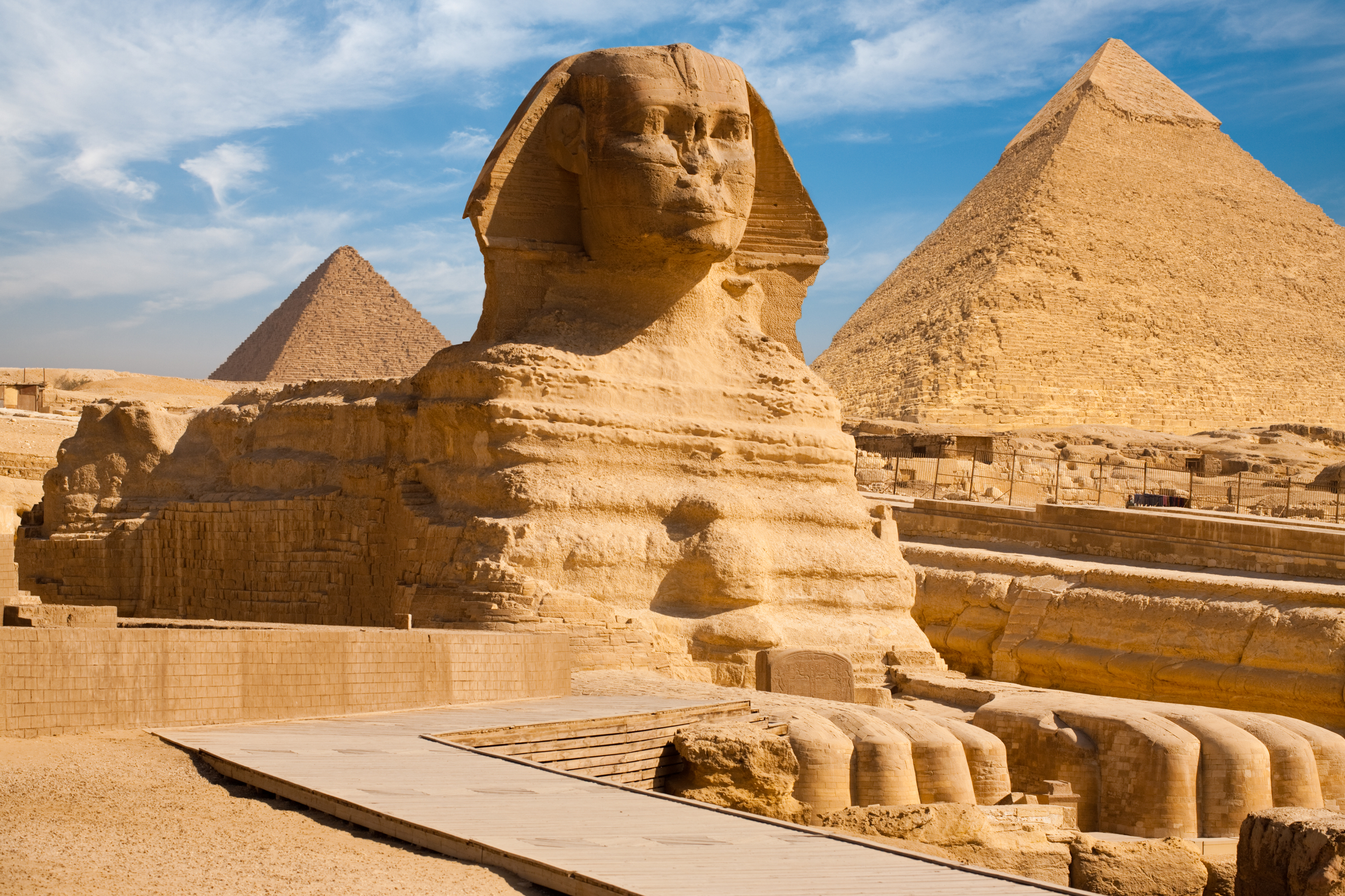
Exploring ancient landmarks provides a glimpse into the civilizations that shaped our modern world. One of the most remarkable sites is the Great Pyramids of Giza in Egypt. Constructed over 4,500 years ago, these iconic structures served as tombs for pharaohs and are a testament to ancient Egyptian engineering. Their precise alignment and grandeur continue to astound researchers and visitors alike, establishing them as a symbol of ancient innovation.
Another iconic structure is the Colosseum in Rome, Italy. This colossal amphitheater, completed in AD 80, was a hub for entertainment, hosting gladiatorial combats and public spectacles. Its intricate design showcases the architectural advancements of the Roman Empire and serves as a vital part of the city’s history, drawing millions of tourists every year.
Moving to South America, we find Machu Picchu, a 15th-century Incan citadel in Peru. Nestled high in the Andes Mountains, it remained undiscovered by the outside world until the early 20th century. Its terraced architecture and breathtaking scenery highlight the sophisticated agricultural practices of the Incas and their ability to adapt to mountainous environments.
The Great Wall of China stands as a monumental testament to the country’s history. This series of fortifications was constructed over various dynasties, primarily for defense against invasions. It not only reflects the strategic military thinking of ancient China but also represents the incredible labor and engineering skills of its builders.
In addition to these famous sites, the world is filled with lesser-known treasures, such as the ancient city of Petra in Jordan, renowned for its rock-cut architecture and water conduit system, or Gobekli Tepe in Turkey, which challenges traditional timelines of human civilization. Visiting these sites can deepen one’s understanding of human history, culture, and the remarkable achievements that have shaped our world.
Cultural Experiences at Historical Sites
Visiting historical sites transcends the mere observation of artifacts; it immerses travelers in rich cultural experiences that breathe life into their surroundings. Many historical landmarks serve as living museums, where local traditions and narratives unfold through dynamic interactions. Attending festivals at these sites offers visitors a chance to engage in age-old customs, celebrating the unique heritage of a community. Such events often feature traditional music, dance, and culinary delights, granting attendees a sensory journey into the past.
Guided tours are another avenue through which visitors can deepen their understanding of historical contexts. Knowledgeable guides, often local residents, provide insights that textbooks cannot convey. They share personal anecdotes and local folklore, ensuring that the stories of these significant sites are not just relayed, but felt. These narrative threads link the contemporary experiences of visitors to the historical significance of the landmarks they are exploring.
Moreover, interactive exhibits have become increasingly popular at many historical sites. These installations allow for hands-on engagement, enabling visitors to participate in rituals or crafts that are part of the culture associated with the site. Such interactions foster a more profound connection, allowing exploration beyond passive observation. The involvement in these activities enables travelers to embody aspects of the culture, transforming them from mere observers to participants in the historical storyline.
Community engagement is paramount in keeping the stories of historical sites alive. Local artists often engage in performances that highlight historical narratives through theater and art. Storytelling sessions, where individuals share their family histories connected to the landmarks, provide an emotional and personal lens through which visitors can appreciate the broader cultural tapestry. Therefore, engaging with historical sites is more than a journey through time; it is an invitation to become part of a living culture that thrives on its past.
Preservation Efforts and Challenges
The preservation of historical sites is of paramount importance to safeguard our cultural heritage, yet these sites are increasingly threatened by various challenges. Among these, climate change has emerged as a significant concern. Rising temperatures and extreme weather patterns can lead to accelerated deterioration of ancient structures, impacting their longevity. For instance, flooding can erode foundations, while heat can cause fissures in stone. As such, addressing the impacts of climate change is crucial for the continued preservation of these landmarks.
Urbanization is another obstacle hindering the conservation of historical sites. As cities expand and infrastructure develops, many ancient landmarks face encroachment from modern buildings and roadways, which can diminish both their visibility and significance. The delicate balance between development and preservation is a challenge for governments and preservationists alike. Policy-making must prioritize heritage conservation to ensure that historical structures are not lost to urban sprawl.
Moreover, the influx of tourism poses both benefits and risks to historical sites. While tourism can generate revenue that supports conservation efforts, it can also lead to wear and tear from excessive foot traffic. Responsible tourism plays a crucial role in this context, with travelers encouraged to follow guidelines that protect these landmarks. This includes respecting site regulations, minimizing physical impact, and engaging in educational programs that promote awareness about preservation efforts.
Organizations such as UNESCO have established World Heritage status to help protect significant cultural sites by ensuring that they are recognized on a global scale. This status not only raises awareness but also often provides funding for conservation initiatives. Travelers can actively contribute to these efforts by participating in preservation programs and supporting local economies through sustainable tourism practices. Ultimately, the collective responsibility lies with individuals, communities, and international organizations to foster an appreciation for our historical heritage and advocate for its preservation for generations to come.
Explore Historical Sites with Expert Guides – Reserve Now Discover Ancient History Through Guided Tours of Historical Sites
0 Comment