

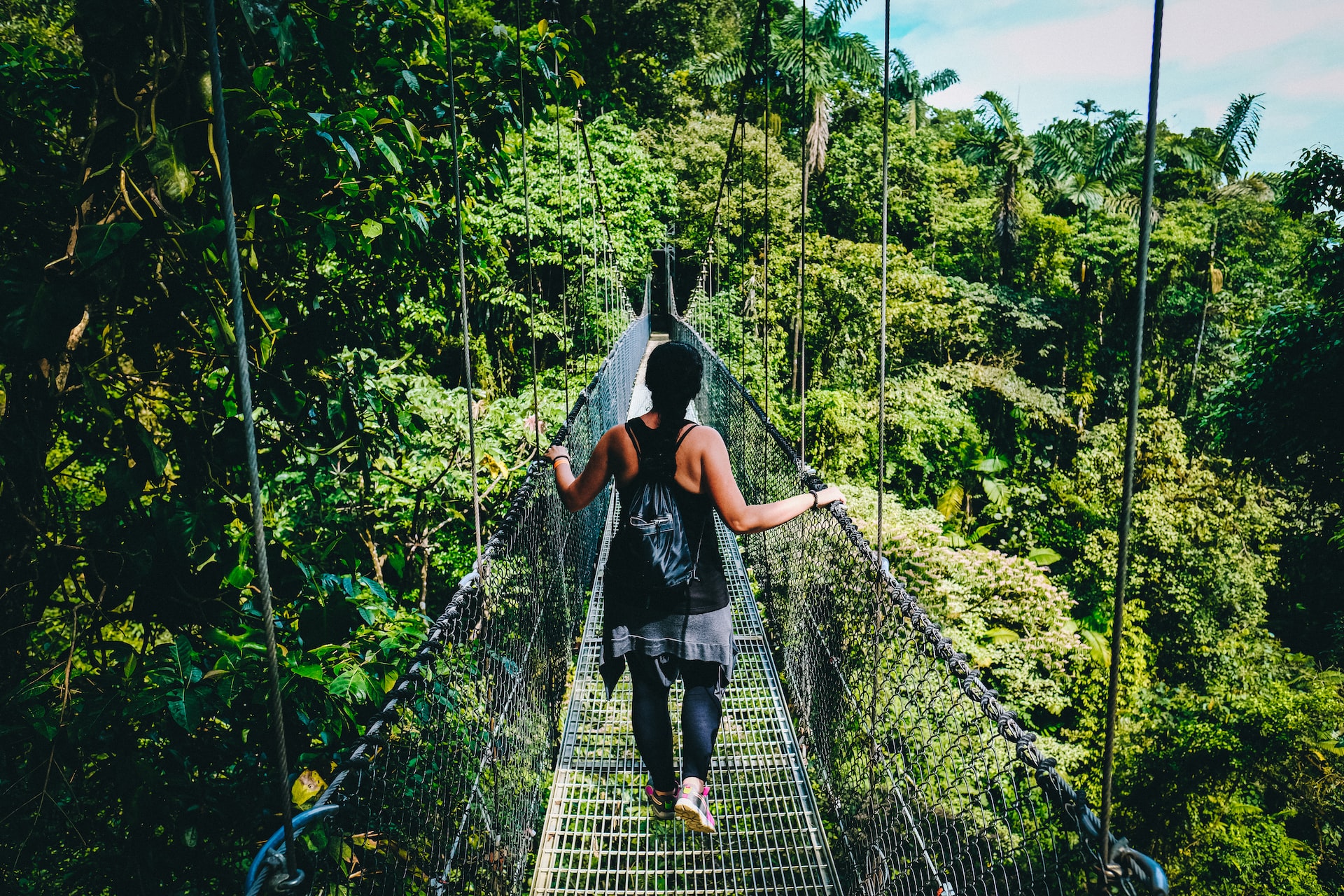

Solo Travel Safety: Understanding Common Risks
Traveling alone can be an exhilarating experience, offering freedom and opportunities for personal growth, but it is crucial to understand the inherent risks associated with solo travel. Individuals embarking on these journeys should be aware of various potential threats, such as theft, which can occur in crowded tourist areas or even in seemingly safe neighborhoods. Keeping valuables secure and being vigilant about surroundings is essential to mitigate this risk.
Accidents, too, are a significant concern. Whether navigating unfamiliar terrain, engaging in adventure activities, or utilizing public transportation, solo travelers should always prioritize safety. It is advisable to familiarize oneself with local emergency services and have a basic understanding of healthcare options available in the destination. Carrying a travel insurance policy that covers emergencies can provide additional peace of mind.
Health issues represent another potential risk. Exposure to new environments can bring about illnesses or allergies, and the absence of familiar medical support can heighten these concerns. Solo travelers should take preventive measures, such as packing any necessary medications, informing themselves about the closest medical facilities, and maintaining a healthy lifestyle while on the road.
Moreover, abstract risks such as loneliness or feeling overwhelmed by unfamiliar situations can impact a solo traveler’s emotional well-being. It is essential to develop strategies for social interaction by engaging with fellow travelers, locals, or participating in group tours, which can alleviate feelings of isolation. Understanding and proactively addressing these risks are paramount for any solo traveler looking to enhance their journey while ensuring personal safety.
Solo Travel Safety Tips: Pre-Trip Preparation Guide
Before embarking on a solo travel adventure, it is essential to undertake several preparatory steps to enhance your safety. The first step involves thorough research of the destination. Understanding the geographical layout, cultural norms, and potential risks associated with the area can significantly contribute to a safer travel experience. Knowledge about local customs can help in avoiding unwanted attention and blending in with the local population.
In addition to researching the destination, it is crucial to familiarize oneself with local laws and regulations. Different countries or regions can have unique legal stipulations that might not align with those of one’s home country. Adhering to these laws is essential, as ignorance of local regulations can lead to severe penalties.
Sharing travel itineraries with trusted family or friends is another critical safety measure. By informing others about your travel plans, including accommodation details and the duration of your stay, you create a safety net for yourself. This way, should any complications arise during your travels, someone will know your whereabouts and be able to assist.
Securing travel insurance is equally important. Adequate travel insurance can cover unexpected incidents such as illness, injury, or theft, providing much-needed peace of mind. It is advisable to read through the policy details to ensure that it encompasses coverage suitable for the activities planned.
Lastly, ensure easy access to emergency contacts and local resources. It is wise to have a list of emergency numbers, including local authorities and your country’s embassy or consulate. Keeping these details accessible can prove invaluable should an emergency arise. In summary, these preparatory measures play a pivotal role in mitigating risks and fostering a safer solo travel experience, allowing you to focus on enjoying your journey to its fullest.
Staying Safe While Traveling Solo
Solo travel provides a unique opportunity to explore new destinations and cultures, but it also requires a heightened sense of awareness and precaution. One of the most crucial safety measures is to maintain an acute awareness of your surroundings. Always be observant of the people and activities around you, especially in crowded areas or unfamiliar neighborhoods. Avoid distractions from your mobile device when on foot, as this can diminish your ability to react to potential hazards.
Utilizing technology can significantly enhance your safety while traveling alone. For instance, downloading location-sharing applications allows you to share your real-time location with a trusted friend or family member. This ensures someone is aware of your whereabouts, further bolstering your security. Additionally, these applications can be useful for navigation, helping you to stay on well-trodden paths and avoid isolated areas.
Another critical tip is to stay in public places as much as possible. While it can be tempting to seek solitude, especially in tourist hubs, remaining in well-lit and populated areas reduces your risk of encountering dangerous situations. When it comes to socializing with locals or fellow travelers, practice discretion; while it is beneficial to connect with others, exercising caution by limiting the time spent alone with new acquaintances is prudent.
Moreover, keeping your valuables secure is essential for solo travelers. Invest in anti-theft bags, and refrain from displaying expensive items such as jewelry or electronics. Using hotel safes can also provide a secure location for your possessions while exploring. When out and about, carry only what you need, and divide cash and cards between your pockets to mitigate the risk of theft. Striking a careful balance between enjoying social interactions and safeguarding oneself is vital. Engaging with others can enrich your travel experience, but be mindful of your personal safety above all.
Dealing with Emergencies
Traveling solo comes with its own set of challenges, and being prepared for emergencies is critical for your safety. Recognizing when to seek help is a fundamental aspect of managing any crisis. Whether it’s a medical issue, sudden illness, or feeling unsafe, staying aware of your surroundings and knowing your limits is vital. If you ever feel threatened or are unsure about a situation, don’t hesitate to approach locals, hotel personnel, or other travelers for assistance.
Familiarizing yourself with local emergency numbers is another crucial step. Many countries have specific numbers for police, fire, or medical emergencies. Research these numbers before your trip and save them in your phone or a notebook. Additionally, make a list of local healthcare facilities that cater to travelers. This information can be invaluable if you need medical attention, and understanding where to go will ease your worries in a stressful situation.
Theft can occur in any destination, which is why being proactive is essential. In the unfortunate event of theft, stay calm and report the incident to local authorities as soon as possible. Keep a record of your belongings and avoid placing all valuables in one location. If your passport is lost or stolen, contact your country’s embassy or consulate immediately. They can guide you through the process of obtaining a replacement. Having copies of your essential travel documents can expedite this process.
Finally, before embarking on your solo journey, outline emergency strategies. This could include setting up a communication plan with family or friends, using technology to share your location, and carrying a small emergency kit. These precautionary measures not only enhance your safety but also allow you to enjoy your travels with greater peace of mind.
Start your solo travel journey today—plan smart, stay safe, and explore the world with confidence! 🌍✈️ Ready for your next adventure? Embrace solo travel, stay prepared, and discover the world on your own terms!
0 Comment