

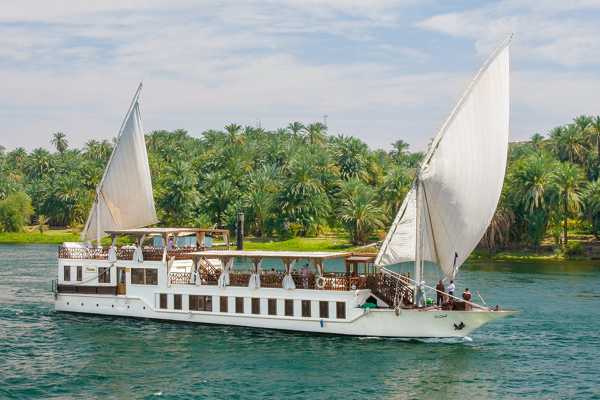

Dahabia Boats – Traditional Nile Cruises in Egypt
Dahabia boats, traditional Egyptian sailing vessels, have sailed the Nile for centuries, offering a unique and authentic experience for travelers. Originating in the 19th century, these boats were initially crafted for the elite of Egypt but have since become a cherished component of Nile cruises. The word “dahabia” itself translates to “golden,” reflecting the luxury that these boats once represented. Distinct from modern cruise ships, dahabia boats showcase an elegant design characterized by their graceful hulls and beautiful sails, allowing for a tranquil journey along the river.
One of the most notable features of dahabia boats is their smaller size, accommodating a select number of passengers which contributes to a more personalized experience. Typically, a dahabia can host between 4 to 12 guests, making it a perfect option for those seeking an intimate and immersive voyage through the heart of Egypt. The craftsmanship involved in constructing these vessels often entails the use of high-quality wood and traditional techniques, linking each boat to the rich maritime history of the region.
Another aspect that sets dahabia boats apart is their slower pace of travel, allowing guests to fully appreciate the stunning scenery along the Nile. As you glide past lush landscapes, ancient temples, and rural villages, the experience becomes more than just transportation; it transforms into a journey of exploration and cultural exchange. Guests on a dahabia cruise are often treated to bespoke itineraries, highlighting hidden gems and lesser-known archeological sites, which full-sized cruise ships might overlook.
In summary, dahabia boats stand as a testament to Egypt’s maritime heritage, merging beauty with tradition. Their unique design, smaller size, and cultural significance render them a favored choice for those who wish to experience the Nile in a manner that reflects both the past and the present.
Dahabia Boats Routes and Experiences in Egypt
Embarking on a dahabia cruise along the Nile offers a unique and tranquil way to experience the beauty and history of Egypt. To ensure a memorable adventure, careful planning is essential. First, selecting the right cruise operator plays a crucial role in determining the quality of your experience. Look for companies with positive reviews and a solid reputation for providing a traditional dahabia experience, focusing on comfort and cultural immersion.
Timing is another essential factor when planning your trip. The best months to visit the Nile are typically from October to April, when temperatures are mild and sightseeing is more enjoyable. Many dahabia cruises are designed to take advantage of the optimal weather conditions, enabling passengers to explore iconic sites such as Luxor and Aswan in comfort.
In terms of itineraries, most dahabia cruises vary significantly in duration and scope. Some cruises last a few days, while others may extend up to two weeks, allowing ample time for exploration. When reviewing itineraries, consider the key historical sites included and ensure that they align with your interests. Expect itineraries to blend leisurely sailing with guided excursions to temples and ancient monuments.
Packing for your dahabia cruise also requires consideration of both comfort and cultural respect. Light, breathable clothing is ideal for cruising, along with sturdy footwear for excursions. Sun protection, such as hats and sunscreen, is vital, given the Egyptian sun. It is also recommended to bring swimwear if your dahabia offers opportunities for swimming or relaxing on deck.
Be mindful of travel requirements, such as visas and necessary vaccinations. It’s advisable to check COVID-19 regulations or any specific national requirements ahead of time. Engaging with your cruise operator in advance can also clarify any additional logistical considerations, ensuring your dahabia cruise unfolds smoothly.
Experiencing Life on a Dahabia
Embarking on a dahabia represents more than a simple cruise; it is an invitation to immerse oneself in the rich culture and serene beauty of the Nile. As the dahabia glides through the calm waters, passengers find themselves enveloped in a unique lifestyle that emphasizes both relaxation and connection with nature. The design of these traditional wooden boats allows for a spacious and comfortable atmosphere, setting the stage for an enchanting journey.
Onboard dining is a highlight of any dahabia experience. Meals are typically prepared using fresh, locally sourced ingredients, offering travelers a taste of authentic Egyptian cuisine. Breakfast often includes traditional dishes, such as fava beans and fresh bread, while lunches and dinners feature an assortment of meats, seafood, and vegetarian options, all expertly crafted by the onboard chef. Dining is often an intimate affair, with guests sharing meals under the stars or in the shade of a sail, further enhancing the culinary experience.
Leisurely pace defines life aboard a dahabia. Unlike larger cruise ships that adhere to strict schedules, dahabias navigate the Nile at a relaxed rhythm, encouraging passengers to slow down and savor each moment. Activities available during the cruise may include guided excursions to historical sites, such as temples and ancient ruins, but leisure is equally prioritized. Travelers can enjoy soaking in the sun on the deck or indulge in reading a good book as the soothing sounds of the water create a calming backdrop.
Interactions with the crew further enrich the dahabia experience. The staff is not only skilled in providing top-notch service but also eager to share their knowledge of local customs and traditions. Engaging with the crew can lead to memorable exchanges and a deeper appreciation of Egyptian culture. In this setting, passengers often form a unique bond with the crew, enhancing the overall sense of community aboard the dahabia.
Cultural and Historical Highlights Along the Nile
The Nile River, often regarded as the lifeblood of Egypt, is not only crucial for agriculture but also serves as a tapestry of rich history and culture that can be explored via a dahabia cruise. Travelers embarking on this traditional sailing experience will encounter a plethora of cultural and historical landmarks that showcase Egypt’s impressive heritage.
One of the most notable stops along the Nile is Luxor, frequently referred to as the world’s greatest open-air museum. Here, visitors can marvel at the majestic Karnak Temple, a complex filled with colossal statues and obelisks that pay tribute to the ancient gods. Just a short distance away lies the Valley of the Kings, the final resting place of pharaohs, including the famous Tutankhamun. These sites not only highlight the architectural prowess of ancient Egypt but also the intricate belief systems that governed their civilization.
As the dahabia glides further downstream, travelers can visit the serene Temple of Edfu, dedicated to the falcon god Horus. This remarkably well-preserved temple features detailed hieroglyphics that narrate the mythology and rituals of ancient Egypt. Additionally, the vibrant communities along the Nile offer visitors a unique glimpse into contemporary Egyptian culture. The local markets, known as souks, provide an opportunity to engage with the townspeople, sample authentic cuisine, and purchase handmade crafts.
To maximize the experience, planning excursions carefully is essential. Consider the timing of visits to avoid crowds, particularly at popular sites. It is also advisable to hire local guides who can provide insightful narratives on each landmark’s significance, enriching the traveler’s journey through Egypt’s historical landscape. Such engagement will undoubtedly elevate the dahabia cruise adventure beyond mere sightseeing, allowing a deeper appreciation of Egypt’s enduring legacy.
Experience Egypt’s Nile in Comfort and Tradition Learn More About Dahabia Boat Cruises
0 Comment