

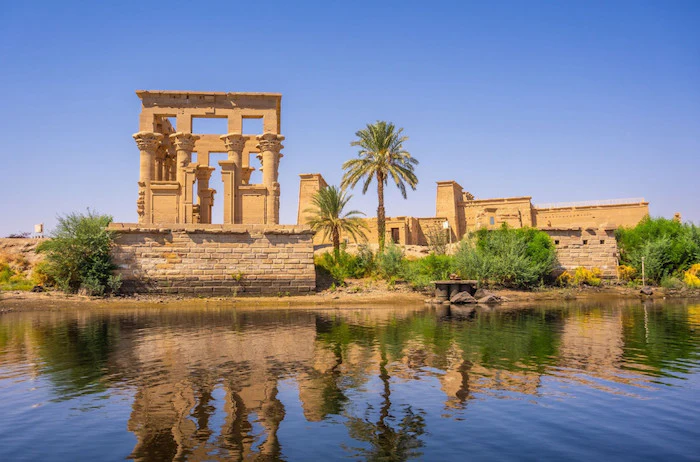

Exploring Hidden Places in Egypt
Hidden places in Egypt reveal a side of the country that many travelers never see. Beyond the iconic landmarks like the Pyramids of Giza and the majestic Nile River, these breathtaking spots offer adventurous photographers unique opportunities to capture stunning landscapes and rich cultural heritage. These lesser-known gems provide a fresh perspective on Egypt’s history and beauty, perfect for creating captivating photography.
Venturing off the usual tourist routes allows one to discover some of the most captivating hidden places in Egypt, offering a more intimate and profound view of the country. These hidden places in Egypt showcase a tapestry of landscapes, from tranquil coastal retreats to vast deserts adorned with ancient ruins. Each of these hidden places in Egypt has its own character and allure, enriched by the stories of past civilizations. Photographers can capture the interplay of light and shadow on historic structures, the vibrant hues of the natural environment, and candid portrayals of local life in these picturesque hidden places in Egypt.
The allure of these hidden gems lies not only in their beauty but also in their cultural significance. Many of these locations are steeped in history, featuring remnants of ancient settlements, forgotten temples, and stunning rock formations that tell the tale of time. Snapping images of these places allows for the preservation of their stories, encouraging a deeper appreciation for Egypt’s heritage. For those seeking inspiration, these unique spots provide the perfect backdrop for creative photography, inviting the lens to unveil the lesser-known wonders of Egypt.
Top Hidden Places in Egypt for Stunning Photography
Egypt is well-known for its renowned landmarks such as the Pyramids of Giza and the Sphinx; however, the country also boasts a variety of hidden gems, perfect for photographers seeking unique subjects. One of the most striking locations is the Siwa Oasis, located in the Western Desert. This picturesque oasis is characterized by its palm-fringed landscapes, crystal-clear springs, and distinctive mud-brick architecture. Photographers can capture the mesmerizing traditional Berber culture, as well as the stunning sunset views against the backdrop of the Great Sand Sea.
Another remarkable location is the White Desert (Bahariya Oasis), known for its surreal landscapes that feature chalk rock formations sculpted by wind erosion. The stark white landscape contrasts beautifully with the clear blue skies and provides a dramatic setting for photography. This ethereal environment is particularly captivating during dawn and dusk when the light shifts, creating a palette of colors that enhance the visual appeal.
The ancient tombs at Abydos are also less explored but offer unlimited opportunities for capturing Egypt’s rich history. These tombs, dating back to the early dynastic period, are adorned with intricate hieroglyphics and colorful frescoes. Photographers can document the artistry of ancient Egyptian culture while exploring the stunning architectural intricacies of these burial sites.
In addition, the lesser-known Temple of Hathor at Dendera is another location that boasts exquisite carvings and vibrant reliefs. The temple is a visual feast for photographers, allowing them to capture not only the beauty of ancient architecture but also the surrounding landscapes and the vibrant local life.
Photography Tips for Capturing Egypt’s Hidden Beauty
When capturing the breathtaking hidden places in Egypt, photographers must consider a variety of factors to ensure that their photographs truly reflect the essence of these unique locations. Firstly, timing is essential; the golden hours of early morning and late afternoon provide soft light that enhances the natural beauty of the landscapes. Shooting during these times not only emphasizes textures and colors but also reduces harsh shadows, making for more captivating images.
In terms of equipment, a DSLR or mirrorless camera is recommended for its versatility and quality. A wide-angle lens can help in capturing the expansive views often found at these hidden locations. Additionally, a tripod can be invaluable for stabilizing shots in low light situations, particularly during sunrise or sunset. Incorporating filters, such as polarizers, can also reduce glare from reflective surfaces like water, enhancing the vibrancy of color in photographs.
Photographers should also adapt their techniques to different lighting conditions, which can fluctuate throughout the day. In the harsh midday sun, using a smaller aperture can help maintain detail in both highlights and shadows. Consider using bracketing techniques to capture images at varying exposures, which can later be blended in post-processing for optimal dynamic range.
Respecting local customs and the environment while photographing is imperative. Always ask for permission when photographing people and be aware of cultural sensitivities. Additionally, ensure that natural surroundings are preserved after your visit; leave no trace to ensure that these hidden gems remain intact for future generations of photographers. Following these guidelines will help ensure a respectful and enriching photography experience in Egypt.
Logistics and Travel Tips for Photographers
When planning a visit to Egypt’s breathtaking hidden places, photographers should consider several logistical aspects to ensure a smooth and successful trip. To begin with, choosing the right time to visit is crucial. Generally, the best months span from October to April, when temperatures are more moderate, making outdoor exploration more comfortable. Visiting during winter months can also provide soft, diffused lighting that is ideal for photography.
Traveling to these off-the-beaten-path locations often involves a combination of forms of transportation. Many hidden gems are located several hours away from major cities like Cairo or Luxor. Consider renting a vehicle or hiring a local guide who is familiar with the terrain and can provide insights into safe routes. Public transportation options exist, but they may not always be the most reliable or comfortable for travelers carrying photography equipment.
Accommodations vary widely depending on your destination, from luxury hotels in urban areas to more rustic lodging near the hidden sites. Booking in advance is highly recommended, particularly during peak tourist seasons. Additionally, hostels and guesthouses can provide affordable options while offering opportunities to meet fellow travelers and photographers.
Safety is another critical consideration. Research current travel advisories and local practices, and ensure you have the necessary permits, especially when capturing images in protected areas. Engaging local guides can enhance your experience as they not only assist in navigating but also enrich your understanding of the sites. Always keep your photography gear secure and be respectful of cultural sites and local customs to ensure a positive interaction with the local communities.
Don’t just visit Egypt—experience it! Click here to explore hidden places in Egypt and find the perfect spots for your photography journey.
0 Comment