

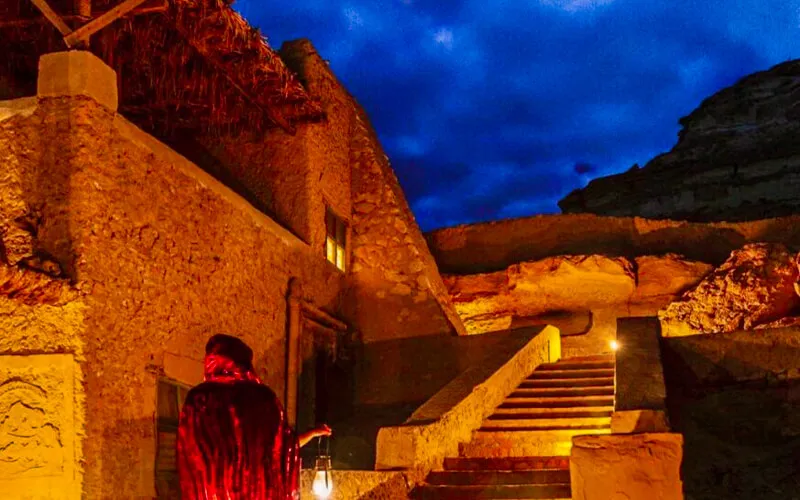

Introduction to Egypt’s Rich Heritage
Egypt, a transcontinental country spanning the northeastern corner of Africa and the southwestern corner of Asia, is often regarded as a premier travel destination due to its profound historical significance and remarkable cultural diversity. This nation is synonymous with some of the most iconic ancient monuments in the world, such as the Pyramids of Giza, the Sphinx, and the temples of Luxor and Karnak, which continue to entice travelers and historians alike. Each of these sites serves as a testament to the advanced civilization that flourished along the banks of the Nile River thousands of years ago.
The rich heritage of Egypt does not only lie in its ancient wonders. The modern cities of Cairo and Alexandria also reflect the country’s vibrant culture and engaging lifestyle, serving as a bridge between the past and the present. Visitors can immerse themselves in bustling markets, sample traditional Egyptian cuisine, and experience various festivals that celebrate the nation’s traditions.
In exploring Egypt, travelers are not merely observing sites of historical importance; they are engaging with a living culture that has evolved yet remains deeply connected to its roots. This juxtaposition of ancient and modern exemplifies the unique allure of Egypt, making it a top destination for those seeking both adventure and enlightenment. As we embark on this journey through the wonders of Egypt, it is essential to appreciate the diverse attractions spanning from its ancient marvels to contemporary developments, all of which contribute to its standing as a crucial player in the realm of global tourism.
Pyramids of Giza: The Iconic Ancient Wonders
The Pyramids of Giza, located on the outskirts of Cairo, represent one of the most significant achievements of ancient engineering and civilization. Recognized as one of the Seven Wonders of the Ancient World, these monumental structures have fascinated historians, archaeologists, and travelers alike for millennia. The largest of the three pyramids, the Great Pyramid of Khufu, serves as a testament to the advanced architectural skills of the ancient Egyptians, constructed around 2580 to 2560 BC. This pyramid originally stood at 146.6 meters tall, making it the tallest man-made structure for over 3,800 years.
The historical importance of the Pyramids of Giza cannot be overstated. They were built as tombs for the pharaohs, designed to facilitate their journey into the afterlife. Surrounding each pyramid are smaller pyramids and tombs for queens and nobles, further signifying the complex societal structure of ancient Egypt. Archaeological findings have revealed intricate burial practices, religious beliefs, and insights into the daily lives of the Egyptians during the era.
Visiting the Pyramids of Giza is a unique experience that attracts millions of tourists every year. Travelers are advised to arrive early in the morning to avoid the scorching heat of the day and the crowds. It is essential to wear comfortable shoes as exploring the site involves walking over uneven terrain. Guided tours are available for those who wish to gain deeper insights into the history and mythology surrounding these ancient wonders. Additionally, visitors should take the time to explore the nearby Sphinx, an iconic figure carved from limestone that adds to the allure of the site.
Overall, the Pyramids of Giza stand as a symbol of ancient ingenuity and fascination, representing a key point in Egypt’s remarkable history. For those intrigued by history, architecture, or culture, a visit to these extraordinary pyramids is a must when exploring Egypt.
Luxor: The World’s Greatest Open-Air Museum
Luxor, often referred to as the world’s greatest open-air museum, is a city that encapsulates the grandeur of ancient Egyptian civilization. Located on the banks of the Nile River, Luxor is home to some of the most significant archaeological sites in Egypt, providing insight into the life and beliefs of the pharaohs. Among its astonishing attractions are the Valley of the Kings and the Karnak Temple, each contributing to the rich tapestry of Egypt’s history.
The Valley of the Kings, a key feature of Luxor, serves as the burial ground for many of Egypt’s most illustrious rulers. This valley houses the tombs of pharaohs such as Tutankhamun and Ramses the Great, and it offers visitors a glimpse into the elaborate funerary practices of ancient Egypt. Each tomb is meticulously decorated with hieroglyphs and images that reflect the beliefs of the afterlife held by the Egyptians. Exploring this site is essential for anyone wishing to understand the funerary traditions and the historical context of these formidable leaders.
In addition to the Valley of the Kings, the Karnak Temple complex stands as a monument to the religious dedication of the ancient Egyptians. Spanning over 200 acres, Karnak is composed of numerous temples, chapels, and other buildings, and is primarily dedicated to the sun god Amun-Ra. The grandeur of the Hypostyle Hall, with its towering columns, symbolizes the might of the Egyptian empire. Visitors to Karnak can engage with the ancient rituals that were once performed within its walls, making it an invaluable location for understanding the spirituality of ancient societies.
In summary, Luxor is not just a destination; it is a portal to the past. The Valley of the Kings and Karnak Temple represent the pinnacle of ancient Egyptian achievement and offer profound insights into the civilization’s historical and cultural significance. A visit to Luxor is essential for anyone looking to explore the majestic heritage of Egypt, enabling a deeper appreciation for this ancient society’s enduring legacy.
Nile Cruises: A Journey Through Time
Taking a cruise along the Nile River offers a unique and enriching experience, characterized by splendid views and an immersion into the history of Egypt. A Nile cruise allows travelers to glide on the world’s longest river, enjoying panoramic vistas of the lush banks juxtaposed against the stark desert landscapes that define the region.
One of the primary advantages of embarking on a Nile cruise is the accessibility it provides to numerous ancient temples and historical sites along the river’s path. Iconic locations such as the Valley of the Kings, Karnak Temple, and Luxor Temple are easily reachable through carefully curated itineraries. As the boat traverses the tranquil waters, passengers can witness these marvels up close, often disembarking just steps away from these magnificent edifices that date back thousands of years.
The opportunity to explore various archaeological sites is not the only highlight of a Nile cruise. Each day spent on the river provides travelers with an opportunity to interact with the local culture. Guided tours feature knowledgeable historians who share captivating tales of ancient Egyptian civilization, enriching the journey with context that deepens appreciation for the sights seen. The ship itself often serves as a floating hotel, replete with amenities that ensure a comfortable stay, including dining that showcases both local and international cuisines.
Moreover, the experience of traveling on the Nile is profoundly serene. As the sun sets over the river, painting the sky with hues of orange and purple, it creates a picturesque backdrop for evening relaxation and reflection. It is an atmosphere that embodies the very essence of Egypt, allowing travelers to feel the pulse of a land steeped in history. This juxtaposition of comfort and cultural depth makes a Nile cruise a compelling choice for those wishing to delve into the extraordinary narratives of ancient Egypt.
Planning Your Egypt Trip? Discover more destinations, activities, and travel experiences across Egypt, from ancient landmarks to Red Sea beach holidays. Discover Egypt’s Top Destinations: Explore official tourism information about Egypt’s historic sites, cultural attractions, beaches, and popular destinations.
0 Comment