

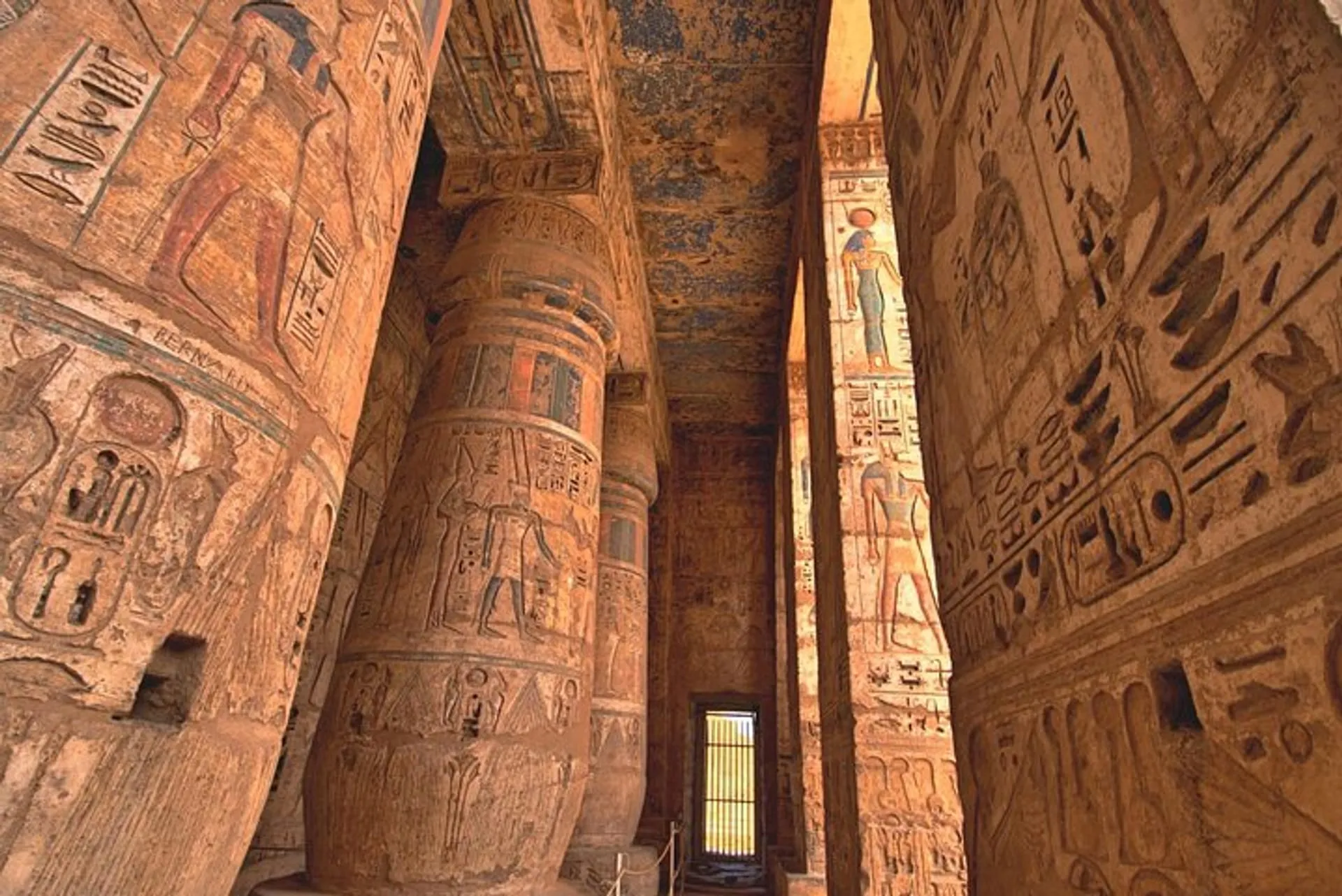

The Origins of Ancient Egyptian Civilization
The origins of ancient Egyptian civilization can be traced back to the convergence of several geographic, cultural, and social factors that shaped this remarkable society. One of the most significant influences was the Nile River, which served as the lifeblood of ancient Egypt. Flowing through the heart of the country, the Nile provided fertile soil due to its annual flooding, which deposited nutrient-rich silt along its banks. This made agriculture possible in an otherwise arid environment, allowing early settlers to cultivate crops, such as wheat and barley, thus laying the groundwork for a stable food supply.
The emergence of agriculture marked a pivotal shift from nomadic lifestyles to settled farming communities. As people began to domesticate plants and animals, they formed villages along the Nile, which ultimately led to the establishment of larger settlements. This transition not only fostered economic stability but also encouraged social organization. The agricultural surplus allowed for the specialization of labor, leading to the development of various crafts, trade systems, and a more complex societal structure.
Culturally, ancient Egypt was influenced by the surrounding regions and the diverse groups that settled in the area. The interactions between different communities facilitated the exchange of ideas, technologies, and customs. The creation of writing systems, such as hieroglyphics, provided a means to document experiences, religious beliefs, and governance. These early advancements laid the foundation for a society that would engage in monumental architectural achievements, a rich religious life, and an enduring fascination with the afterlife.
In essence, the geographic advantages provided by the Nile, coupled with the social changes brought about by agriculture and settlement, positioned ancient Egypt to flourish. As the civilization expanded over time, it would become known for its remarkable achievements in various fields, making it one of history’s most captivating cultures.
Ancient Egyptian Civilization and Its Greatest Architectural Wonder: The Pyramids of Giza
The Pyramids of Giza stand as monumental testaments to the architectural ingenuity of ancient Egypt, particularly exemplified by the Great Pyramid, built during the Fourth Dynasty around 2580-2560 BCE. This colossal structure, originally reaching a height of about 146.6 meters, symbolizes the pinnacle of pyramid construction and continues to fascinate scholars and visitors alike.
Constructing such an immense edifice required sophisticated engineering techniques and immense labor. Theories suggest that a workforce of tens of thousands of skilled laborers, rather than slaves, was mobilized to undertake this staggering endeavor. These laborers likely had specialized roles, including quarrying, transporting, and assembling the massive limestone and granite blocks. Recent discoveries propose that these builders were organized into cooperative teams, evidencing a strong sense of community and shared purpose.
The techniques used in pyramid construction remain a subject of extensive research and debate. It is believed that ramps were employed to transport heavy stones, gradually building the pyramid’s structure. Various ramp designs, including straight and circular methods, have been theorized, yet no definitive proof exists that establishes a single method as the answer. This ongoing inquiry into ancient engineering offers perspective on the capabilities and innovations of Egypt’s ancient builders.
Pyramids served not just as monumental tombs but also as profound symbols of ancient Egyptian beliefs regarding the afterlife. The Great Pyramid, like others, was designed to facilitate the pharaoh’s journey into the afterlife, reflecting the civilization’s longstanding notions of immortality and divine order. As elaborate burial complexes, they underscored the significance of the afterlife in Egyptian culture, illustrating the intersection of architecture, spirituality, and societal structure in ancient Egypt.
The Power and Influence of the Pharaohs
The pharaohs of ancient Egypt were not merely rulers; they were seen as living gods who held immense power and influence over both the kingdom and its people. This divine status provided pharaohs with the authority to govern, often believed to be chosen by the gods themselves. The concept of Ma’at, which represented truth, order, and justice, was central to a pharaoh’s role, guiding their decisions and administration. The governance of ancient Egypt was organized around a bureaucracy that reported directly to the pharaoh, ensuring that his divine will was executed in every aspect of daily life.
Among the most significant figures in ancient Egyptian history are Tutankhamun and Ramses II, whose legacies continue to resonate even today. Tutankhamun, known for his opulent tomb discovered in 1922, ascended the throne at a young age and reversed many of the religious reforms enacted by his father, Akhenaten. His reign, although brief, was pivotal in restoring traditional polytheistic beliefs and strengthening the priesthood. Meanwhile, Ramses II, often referred to as Ramses the Great, ruled for 66 years and is celebrated for his extensive building projects, including the magnificent temples at Abu Simbel and the Ramesseum. His military campaigns and diplomatic efforts with neighboring powers secured Egypt’s borders and bolstered its wealth.
The contributions of these pharaohs to Egyptian society transcended their lifetimes. They influenced cultural development, religious practices, and political structures, ensuring that their legacy endured. The monuments, artifacts, and historical records left behind serve as a testament to their reigns and provide invaluable insights into the politics and spirituality of ancient Egypt. The reverence for these leaders fostered a rich tradition that profoundly impacted the Egyptian identity, making the pharaohs pivotal figures whose influence continues to be felt even in contemporary times.
Legacy of Ancient Egypt: Insights into the Future
The legacy of ancient Egypt continues to permeate various aspects of modern life, demonstrating an enduring influence on contemporary culture, science, and archaeology. The invaluable contributions of this ancient civilization are manifested in fields such as art, architecture, and medicine. For instance, the intricate designs and sophisticated constructions of pyramids have inspired countless architects across millennia, while hieroglyphs remain a subject of fascination and study within linguistics.
Modern archaeological discoveries regularly unveil facets of ancient Egyptian society that reshape our understanding of its complexity. Excavations across the Nile Valley reveal not only the grandeur of its monumental structures, such as temples and tombs but also everyday artifacts that provide insights into the daily lives, beliefs, and practices of the ancient Egyptian populace. These findings enable researchers to piece together the socio-political dynamics of the time, showcasing a society rich in artistry, philosophy, and innovation.
The ongoing significance of ancient Egyptian artifacts is particularly prominent in the realm of tourism. Millions flock to Egypt’s historical sites annually, eager to experience the remnants of a civilization that has captivated the human imagination for centuries. This influx of tourists plays a dual role: while it bolsters the local economy, it also raises concerns regarding the preservation of these irreplaceable sites. To mitigate potential damage, there has been a concerted effort among scholars, archaeologists, and government bodies to implement sustainable tourism practices that prioritize preservation while facilitating public engagement with the cultural heritage of ancient Egypt.
In conclusion, the influence of ancient Egyptian civilization extends beyond its historical confines, shaping modern understanding in various domains. As we continue to explore and unravel the mysteries of this remarkable culture, it becomes increasingly clear that its ancient wisdom and achievements hold valuable lessons for the future.
Experience the Magic of Ancient Egypt Plan Your Journey Through Ancient Egypt
0 Comment