

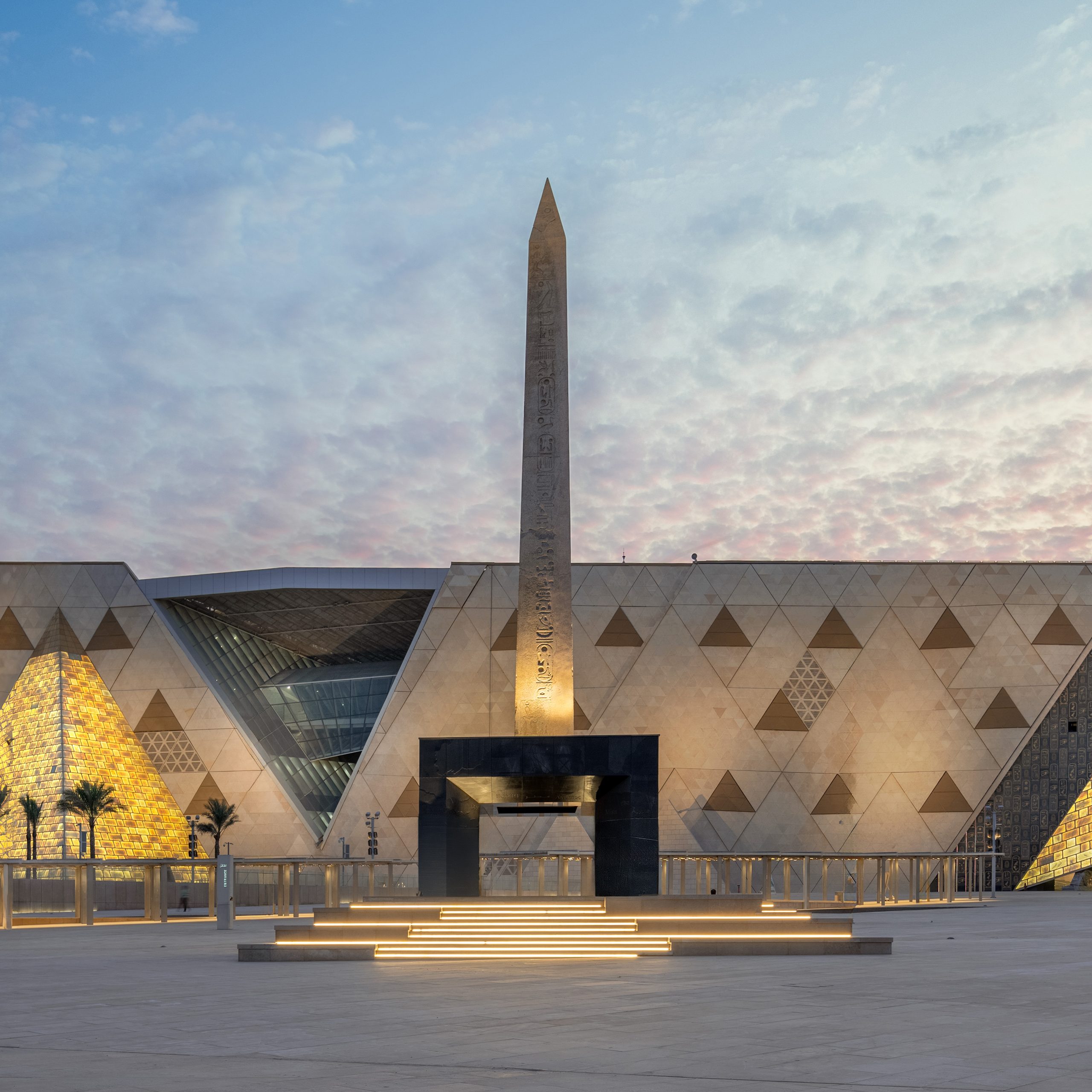

A Historical Overview of the Grand Egyptian Museum
The Grand Egyptian Museum (GEM), located in Giza, represents a significant milestone in the realm of archaeology and museum architecture. Its conception dates back to the early 2000s, with the vision to create the world’s largest archaeological museum dedicated to the heritage of ancient Egypt. The project was officially announced in 2002, propelled by Egypt’s commitment to preserve and showcase its extensive collection of artifacts.
Major milestones in the museum’s construction include the appointment of the renowned architect H. E. Dr. Zahi Hawass, then Minister of Antiquities, who played a crucial role in the project. His vision was rooted in the idea that the GEM would not only serve as a museum but also as a center for conservation and research, aimed at pushing forward the study of Egyptian heritage on a global stage.
The construction of the GEM commenced in 2003, with a projected budget of approximately $1 billion. The museum’s location was strategically chosen near the Pyramids of Giza, providing a complementary context to the rich history encapsulated within its walls. Over the years, various phases of construction marked the progress of this monumental project, culminating in a series of significant updates that garnered international attention.
The museum was designed to host more than 100,000 artifacts, with a particular focus on the treasures of Tutankhamun, thus aiming to attract scholars and tourists alike. Each element of the GEM, from its architecture to its collection policy, reflects a deep respect for Egypt’s historical narrative. As the museum prepared for its grand opening, it promised to set a new standard for archaeological museums around the globe, emphasizing the importance of Egypt’s cultural heritage and its role in world history.
Architectural Marvel: Design and Features of the Museum
The Grand Egyptian Museum, located in Giza, stands as a testament to modern architectural prowess while seamlessly integrating elements of ancient Egyptian culture. This museum is designed to be the largest archaeological museum in the world, with a total area of over 480,000 square meters dedicated to housing an extensive collection of artifacts. The innovative layout of the museum allows for easy navigation, ensuring that visitors can engage with the exhibits effectively. Its strategic design also accommodates a space for temporary exhibitions, educational facilities, and a multi-purpose auditorium.
One of the most captivating features of the Grand Egyptian Museum is its sustainable architecture. This facility employs advanced technologies such as solar energy and water conservation systems, highlighting an eco-friendly approach to cultural preservation. The incorporation of natural light through floor-to-ceiling glass walls enables visitors to enjoy unobstructed views of the Giza Plateau while significantly reducing energy consumption.
The museum’s design pays homage to ancient Egyptian architecture, evident in its use of monumental forms and stunning geometric patterns. The grand entrance, inspired by the iconic pyramids, welcomes visitors with a sense of awe, replicating the grandeur of Egypt’s historical structures. Inside, distinct exhibition halls are dedicated to various themes, including ancient civilization and the afterlife, creating a comprehensive narrative about Egypt’s rich history.
Each gallery boasts state-of-the-art lighting and climate control systems to preserve the delicate artifacts, ensuring their longevity for future generations. Furthermore, the museum incorporates interactive displays and digital technology, fostering an engaging experience and deepening visitors’ understanding of the significance of each piece in the context of Egyptian heritage. In conclusion, the Grand Egyptian Museum is not merely a building; it is a celebrated architectural marvel that harmoniously blends innovative design with the rich legacy of ancient Egypt.
Exhibition Highlights: Treasures of Ancient Egypt
The Grand Egyptian Museum, located just a stone’s throw from the pyramids of Giza, is a remarkable repository of ancient Egyptian artifacts that encapsulates the rich history and culture of one of the world’s most fascinating civilizations. Among the major highlights of this esteemed institution is the iconic Tutankhamun exhibition, which showcases an extensive collection of artifacts belonging to the young pharaoh. Visitors are treated to an unparalleled glimpse into the opulence and grandeur that surrounded Tutankhamun during his reign. With over 5,000 items, including the famous golden mask and intricately designed jewelry, this exhibition serves to illuminate the artistry and sophistication achieved by ancient Egyptian craftsmen.
In addition to the Tutankhamun showcase, the museum features a variety of thematic exhibitions that delve into different aspects of ancient Egyptian life, including religious practices, daily routines, and the significant role of the Nile River in shaping civilization. Collections highlighting royal mummies and the ritualistic importance of burial practices further enhance the visitor’s understanding of ancient philosophies and cultural customs.
The Grand Egyptian Museum also emphasizes education through interactive experiences aimed at engaging a diverse audience. Educational programs and guided tours are designed to cater to visitors of all ages, allowing them to immerse themselves fully in the narratives of ancient Egypt. Through hands-on displays, digital reconstructions, and multimedia presentations, the museum brings the history of this ancient civilization to life. These initiatives not only foster appreciation for antiquities but also encourage deeper insights into the enduring legacy of ancient Egypt on modern society.
Visiting the Grand Egyptian Museum: Practical Information and Tips
The Grand Egyptian Museum, an architectural marvel, is strategically located near the Giza Pyramids, making it accessible for both local and international visitors. To reach the museum, one can utilize various means of transportation, including private taxis, ride-sharing services, or public buses that connect to key locations in Cairo. For those driving, ample parking facilities are provided on-site. It is advisable to check the museum’s official website for the most current transportation options and routes.
Ticket prices for the Grand Egyptian Museum vary depending on the visitor’s profile—Egyptians, foreign tourists, and students all receive different rates. Advance booking is encouraged to avoid long queues during peak visiting hours, typically during weekends and holidays. Special guided tours can enhance the experience by offering expert insights into the exhibits. These tours can be arranged in several languages, catering to the diverse tourists the museum attracts.
The museum operates daily, offering ample opportunities to explore its vast collections. However, for a more serene experience, it is recommended to visit early in the morning or later in the afternoon when crowds tend to be smaller. Accessibility features are also in place, ensuring that all visitors, including those with disabilities, can enjoy the exhibits without barriers.
Nearby attractions include the iconic Giza Pyramids and the Sphinx, making it feasible for visitors to plan a comprehensive day spent exploring Egypt’s rich ancient history. Be sure to set aside time for these landmarks, as they complement the museum’s offerings significantly.
Read More About the Grand Egyptian Museum Experience Book Your Grand Egyptian Museum Tour Now
0 Comment