

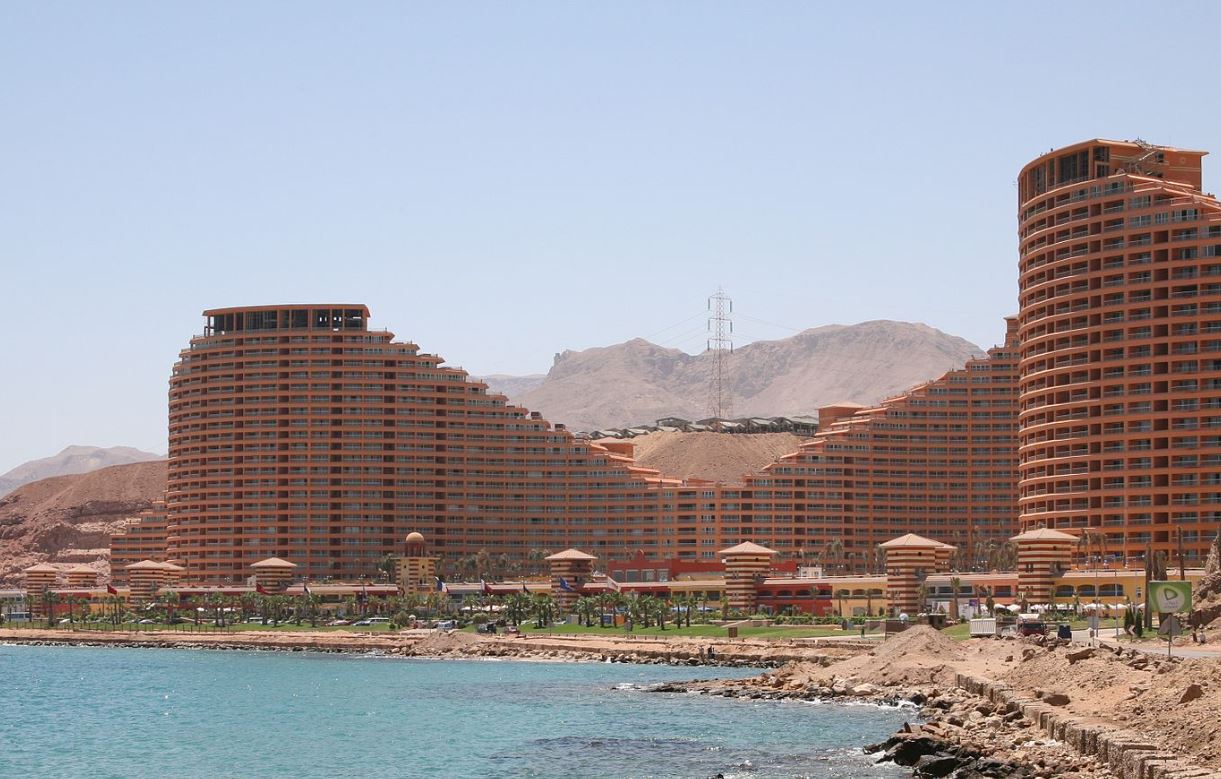

Egypt tourism projects: Overview of Egypt’s Tourism Industry
Egypt tourism projects play a crucial role in strengthening the country’s tourism industry, which serves as a cornerstone of its economy, significantly contributing to the nation’s Gross Domestic Product (GDP) and providing employment opportunities for millions. In recent years, the sector has shown resilience amidst global challenges, demonstrating Egypt’s enduring appeal. As of 2023, Egypt has welcomed approximately 14 million international visitors, marking a remarkable recovery since the pandemic’s impact on global travel.
The economic impact of tourism in Egypt cannot be overstated. This sector generates substantial revenue, estimated at around $13 billion annually, thereby aiding in the national economic stability and growth. The development of comprehensive government projects aimed at enhancing tourism infrastructure is crucial for sustaining this progress. With an extensive array of historical and cultural attractions, including the Pyramids of Giza, the Sphinx, and the Valley of the Kings, Egypt continues to draw visitors seeking both adventure and education.
In addition to its rich ancient history, Egypt tourism projects play a key role in enhancing the country’s global appeal. Egypt boasts beautiful coastlines, particularly along the :contentReference[oaicite:0]{index=0}, where destinations such as :contentReference[oaicite:1]{index=1} and :contentReference[oaicite:2]{index=2} attract beachgoers and divers from around the globe. These resorts, supported by ongoing Egypt tourism projects, not only enhance the country’s tourism appeal but also create a conducive environment for economic growth through increased foreign investments. Furthermore, the government has embarked on promoting sustainable tourism practices under various Egypt tourism projects, aligning with global trends and ensuring that Egypt’s natural and cultural resources are preserved for future generations.
Tourism remains a pivotal sector for economic recovery, having a direct influence on various industries, including hospitality, transportation, and local artisans. The potential for future growth is immense, particularly with the recent infrastructure advancements and international marketing efforts aimed at showcasing Egypt as a premier travel destination.
Egypt tourism projects: Key Government Projects in Tourism Infrastructure
Egypt has undertaken significant government initiatives aimed at enhancing its tourism infrastructure, which plays a critical role in attracting both international and domestic tourists. One of the remarkable projects is the renovation of heritage sites, which is vital for preserving the cultural identity of Egypt while simultaneously enhancing the visitor experience. Noteworthy examples include the restoration of the ancient temples in Luxor and the revitalization of historical districts in Cairo, both of which aim to provide tourists with immersive experiences of Egypt’s rich history.
In addition to heritage renovations, the Egyptian government has also focused on expanding its hotel capacity to accommodate the increasing number of tourists. The development of new luxury hotels along the Red Sea coast serves to attract high-end travelers, providing them with a stunning backdrop for their vacation. Chains like Marriott and Hilton have already established new resorts, emphasizing Egypt’s potential as a luxurious travel destination.
Transportation systems are another vital aspect of the tourism infrastructure overhaul. The government has initiated various projects to improve access to popular tourist attractions. For instance, the extension of the Cairo Metro system, which will include routes to important tourist destinations, aims to facilitate mobility for visitors. Furthermore, expansion plans for major airports, including new terminals at Cairo International Airport, are designed to accommodate increased passenger volumes and streamline the travel experience.
These projects are projected to yield significant economic benefits, with estimates suggesting an increase in tourism revenue and job creation within the sector. Together, these initiatives represent a comprehensive approach to enhancing Egypt’s tourism infrastructure, positioning the country as a competitive player in the global tourism market. The successful execution of these projects will undoubtedly contribute to the growth and sustainability of Egypt’s vibrant tourism industry.
Foreign investment plays a crucial role in the enhancement of Egypt’s tourism infrastructure, significantly contributing to the country’s economic development and global competitiveness in the tourism sector. As one of the most visited destinations in Africa, Egypt’s allure remains strong due to its rich cultural heritage and historical landmarks. However, to maintain its position, the country has increasingly relied on partnerships with international investors who bring in vital funding and expertise.
International investors have collaborated with the Egyptian government on various tourism projects, such as hotel developments, transportation upgrades, and the conservation of archaeological sites. These partnerships are typically fueled by the mutual objective of improving visitor experiences and elevating overall service quality. By tapping into foreign capital, Egypt can access advanced technologies and best practices that enhance tourism infrastructure. For instance, many foreign-backed projects focus on creating sustainable practices that not only protect the environment but also attract eco-conscious travelers.
The impact of this financial influx can be seen in the development of modern amenities and efficient transport systems, such as roads leading to tourist attractions and upgraded airport facilities that cater to increased international traffic. Furthermore, these investments facilitate job creation, fostering local employment opportunities that bolster community involvement in the tourism sector. Improved infrastructure leads to better accessibility, which enhances visitor experiences, making it easier for tourists to explore the vast offerings of Egypt.
Ultimately, the continuous flow of foreign investment is pivotal in realizing Egypt’s vision for a more dynamic and diverse tourism landscape, reflecting positively not only on infrastructural advancements but also on the overall economy. The ongoing commitment to attract international funding underscores the potential for long-term growth and sustainability within the industry.
Future Outlook and Challenges for Egypt’s Tourism Sector
The future of Egypt’s tourism sector is intrinsically linked to the investments in infrastructure and the expansive projects initiated by the government. With improvements in transportation, accommodation, and visitor services, the potential for growth is substantial. However, this optimistic outlook is accompanied by a series of challenges that must be addressed to ensure sustainable and inclusive growth in tourism.
One prominent challenge is the environmental impact of increased tourism activity. As more visitors arrive to explore Egypt’s rich cultural heritage and natural landscapes, the strain on local ecosystems can escalate. Protecting these environments is crucial, not only for preserving biodiversity but also for enhancing the overall tourist experience. Implementing eco-friendly practices within the tourism sector, such as promoting sustainable transportation options and supporting local conservation efforts, can mitigate potential damage while ensuring compatibility with environmental regulations.
Additionally, Egypt’s tourism market faces tough competition from other nations striving to attract international tourists. Destinations such as Turkey, Morocco, and other Mediterranean countries are investing heavily to enhance their offerings. Keeping up with these competitors necessitates continuous innovation in marketing strategies, service quality, and unique travel experiences that resonate with diverse tourist demographics.
Furthermore, reducing the seasonality of tourism remains a crucial objective. Spreading visitor numbers more evenly throughout the year can help stabilize the economy and minimize the reliance on peak seasons. This can be achieved through targeted promotional campaigns that highlight Egypt’s multiple attractions beyond historical sites, such as adventure tourism, wellness retreats, and culinary explorations.
In conclusion, while the outlook for Egypt’s tourism sector is promising due to enhanced infrastructure, it is imperative to address the associated challenges head-on. Through a commitment to sustainability, innovation, and strategic marketing, Egypt can position itself as a leading destination in the global tourism landscape, ultimately benefiting both its economy and its cultural heritage.
Explore Egypt tourism projects shaping the future of travel—discover new destinations, infrastructure, and opportunities across Egypt today. Plan your next trip and experience Egypt tourism projects firsthand in Cairo, Hurghada, and Sharm El Sheikh.
0 Comment