

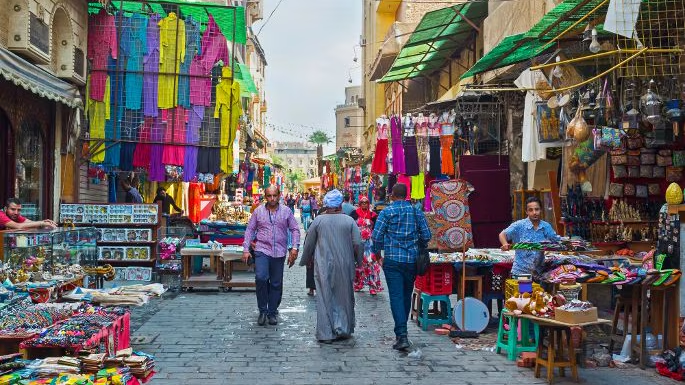

Ramadan Traditional Clothing in Egypt: Significance and Styles
Ramadan traditional clothing is a central part of Egyptian culture during the holy month. These garments, including the men’s gallabeya and the women’s abaya, reflect both faith and tradition, showing how Egyptians celebrate Ramadan through their attire.
For many Egyptians, Ramadan traditional clothing plays a central role in strengthening community bonds and enhancing collective identity. Outfits such as the men’s gallabeya and women’s abaya are popular choices during Ramadan, not only for their aesthetic appeal but also as a reflection of adherence to cultural norms and religious observance. Wearing Ramadan traditional clothing preserves a link to Egyptian heritage, fostering a sense of belonging and continuity across generations, and adding layers of meaning and nostalgia to the attire.
Beyond daily rituals, Ramadan traditional clothing is an essential part of vibrant festivities and family gatherings throughout the holy month. During Iftar, the evening meal breaking the day’s fast, Egyptians often wear their finest Ramadan traditional clothing as a mark of respect and celebration. These garments showcase a colorful tapestry of styles, reflecting faith, cultural history, and festive spirit, making Ramadan traditional clothing a visible and meaningful part of the sacred month.
Ramadan Traditional Clothing Styles in Egypt
During Ramadan, traditional clothing in Egypt embraces a blend of cultural heritage and contemporary trends, reflecting both the sacredness of the month and the festive spirit that accompanies it. One of the most iconic garments is the galabeya, a loose-fitting robe typically worn by men. These garments are made from light, breathable fabrics such as cotton or linen, rendering them comfortable for the long hours of fasting. Galabeyas often feature intricate embroidery or vibrant prints, adding a touch of elegance to the attire. While the color choices are varied, shades of blue, white, and earthy tones are particularly popular, as they resonate with the serene ambiance of Ramadan.
Another staple of Ramadan fashion is the djellaba, which is akin to the galabeya but often includes a hood. Djellabas offer versatility and comfort, making them a favored choice during evening gatherings for iftar. They are commonly adorned with decorative elements such as tassels and sequins that are symbolic of celebration. In various regions of Egypt, the styles and materials used for djellabas can considerably differ, reflecting the local craftsmanship and artistic flair.
For women, the traditional dresses worn during Ramadan vary in style but often include long, flowing designs that emphasize modesty while allowing for expression through colors and embellishments. Fabrics range from soft cottons to luxurious silks, with patterns incorporating floral motifs or geometric designs. The diversity of colors is significant, with many opting for rich, vibrant hues that evoke the festive nature of the month. Additionally, regional differences manifest in the styles of dresses; for instance, in Upper Egypt, darker shades are prevalent, while coastal cities may showcase lighter, more colorful variations.
Overall, the clothing worn during Ramadan embodies the spirit of community, faith, and cultural richness in Egypt, with each piece telling a story of tradition and unity.
Ramadan Fashion Trends 2023: A Blend of Tradition and Modernity
As we witness the arrival of Ramadan in 2023, the fashion landscape in Egypt reflects a captivating blend of traditional styles and contemporary influences. This year, designers are placing a significant emphasis on fusing classic elements of Egyptian attire with modern silhouettes and innovative fabrics. The charm of traditional clothing remains intact, yet it is transformed to resonate with the aesthetic preferences of today’s younger generations.
One prominent trend observed this season is the use of luxurious fabrics that enhance comfort while ensuring elegance. Designers are gravitating towards breathable materials such as cotton blends and soft silks, which are ideal for the fluctuating temperatures during the Ramadan season. These fabrics are not only aesthetically pleasing but also practical, allowing for ease of movement during daily activities and prayers.
Furthermore, unique patterns are making their mark in Ramadan fashion this year. Vibrant motifs inspired by traditional Egyptian art and culture are being reinterpreted with a modern twist. These contemporary designs often incorporate geometric shapes and rich color palettes that reflect the essence of local culture, making them appealing to both older and younger audiences alike.
The integration of traditional garments like the “galabeya” and “kaftan” with modern cuts and styles has created a fresh look that still pays homage to longstanding customs. For instance, designers are experimenting with asymmetrical cuts, layering techniques, and unconventional hemlines in these traditional pieces, elevating them to a new level of sophistication. Additionally, the trend of accessorizing with statement jewelry and chic handbags complements these outfits perfectly, further bridging the gap between tradition and modernity.
As Ramadan 2023 unfolds, the evolution of traditional clothing in Egypt continues to enchant and inspire, marking a significant shift in how cultural heritage is celebrated through fashion. The interplay between age-old traditions and contemporary aesthetics not only honors the past but paves the way for the future of Ramadan attire.
How to Choose the Perfect Ramadan Outfit
Selecting the perfect outfit for Ramadan is a significant aspect of the month-long celebration, as it blends comfort, modesty, and cultural significance. Muslims worldwide recognize Ramadan as a month of reflection, and the attire worn serves to enhance the sense of community and spiritual focus during this period. Here are several practical tips to help you choose the most suitable clothing.
First and foremost, prioritizing comfort is essential, especially given the nature of fasting and the long hours that come with it. Choose lightweight fabrics such as cotton and linen that allow breathability and ease of movement. Loose-fitting garments that represent traditional styles, like the abaya or kaftan, are often ideal, as they provide adequate coverage while ensuring comfort.
Modesty is another vital consideration when selecting Ramadan clothing. Outfits should cover the arms and legs appropriately, adhering to the cultural norms that define modest dress among Muslims. When opting for attire, ensure it aligns with your understanding of cultural significance, as various regions and families may uphold different traditions.
In addition to comfort and modesty, pay attention to the choice of colors and patterns. Soft, pastel shades are popular during Ramadan, echoing the reflective and peaceful atmosphere of the month. However, don’t hesitate to incorporate some vibrant accents or patterns that resonate with your personal style, as long as they remain respectful of the traditions associated with Ramadan.
Lastly, accessories play an essential role in completing your Ramadan outfit. Select modest yet elegant jewelry that complements your attire, avoiding overly extravagant pieces. A simple shawl or scarf can also add an element of grace. Ultimately, your Ramadan outfit should reflect both respect for the holy month and your individual taste, creating a harmonious blend that enriches the spirit of Ramadan.
Explore the elegance of Ramadan traditional clothing in Egypt! Discover styles, cultural tips, and shop authentic garments to celebrate the holy month in style!
0 Comment