
Introduction to Aswan’s Historical Significance
Aswan, a vibrant city nestled along the banks of the Nile River in southern Egypt, boasts a rich historical significance that dates back to ancient Egyptian civilization. This strategic location positioned Aswan as a critical hub for trade and transport, serving as a gateway between Egypt and Nubia. Its proximity to the Nile allowed for efficient movement of goods, people, and resources, ultimately facilitating the flourishing of commerce in the region.
Throughout various dynasties, Aswan played an essential role in the development and maintenance of Egypt’s economic and political power. It was here that significant trade routes converged, enabling the movement of valuable minerals, spices, and luxury goods. The city’s prominence made it a pivotal point for transporting obelisks and monumental stones, which were crucial for the grandeur of temples and monuments being constructed during the reigns of pharaohs.
Moreover, Aswan’s historical significance is further underscored by its association with the ancient Egyptian faith and the construction of temples dedicated to various deities. The well-preserved monuments, such as the Temple of Philae and the unfinished obelisk, are testament to the city’s enduring legacy and the skilled craftsmanship of its ancient builders. These structures not only reflect the religious fervor of the time but also provide insights into the architectural prowess and cultural practices that defined ancient Egyptian civilization.
Aswan’s rich tapestry of history, influenced by its strategic geographical location, vibrant trade networks, and religious importance, renders it a treasure trove for archaeologists and enthusiasts alike. It is through the exploration of Aswan that one can gain a deeper appreciation of the complexities of ancient Egyptian society and its monumental achievements still revered today.
Must-Visit Temples in Aswan
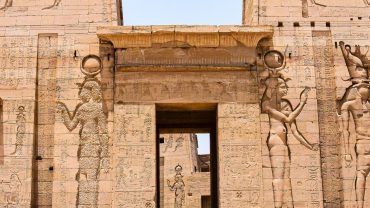
Aswan is home to some of the most remarkable ancient temples that reflect the grandeur of Egypt’s rich heritage. Among these, the Temple of Philae stands out as a stunning example of ancient architecture dedicated to the goddess Isis. This temple complex is located on Philae Island and was originally constructed during the reign of Ptolemy II. Visitors will be captivated by its exquisite reliefs and imposing columns, which depict various gods and pharaohs, employing intricate hieroglyphics that narrate the tales of Egyptian mythology.
Another significant site is the Temple of Kom Ombo, located just north of Aswan. This unique double temple is devoted to two deities: Sobek, the crocodile god, and Horus, the falcon-headed god. The duality of the structure allows for an intriguing exploration of the cultural significance of these gods. Noteworthy architectural features include the symmetrical layout and a set of beautifully preserved reliefs that illustrate ancient medical practices, offering visitors a glimpse into the sophisticated knowledge of the time.
The temples in Aswan are not just architectural wonders but also serve as a testament to the artistic skills of ancient Egyptians. The carvings and inscriptions found within these sacred spaces play a crucial role in understanding the religious practices and societal norms of the time. They also reflect the historical significance of Aswan as a religious and cultural center. Observing these ancient sites provides an opportunity to appreciate the dedication and craftsmanship that went into creating these lasting symbols of Egypt’s past.
The Monuments and Their Symbolism
The ancient city of Aswan is home to some of the most significant monuments and temples of Egypt, including the Unfinished Obelisk and the renowned Nubian Museum. These structures not only demonstrate remarkable architectural achievements but also serve as profound symbols of the religious beliefs and values of ancient Egyptians.
The Unfinished Obelisk, located in the quarry of Aswan, offers a unique insight into the methods and tools used by ancient craftsmen. This majestic monument was intended to be one of the largest obelisks in history, intended to honor the gods and signify power. Its unfinished state raises questions about resource challenges and labor issues faced by the ancient Egyptians. Symbolically, obelisks represented the connection between the earth and the divine, often associated with the sun god Ra. Their pointed shape was thought to channel solar energy, making them pivotal in ancient religious practices.
Another critical site, the Nubian Museum, showcases the rich history and culture of Nubia, a region closely linked to ancient Egypt. The museum displays artifacts that reflect the lifestyle, daily practices, and beliefs of Nubian people. Through various exhibitions, it reveals the deep interconnection between Nubian and Egyptian cultures over millennia. The preservation of these artifacts highlights the value placed upon memory and heritage within these societies, emphasizing the significance of maintaining a connection to one’s roots.
The monuments of Aswan, through their grandeur and the stories they tell, encapsulate the essential aspects of the beliefs, values, and everyday life of ancient Egyptians and Nubians. These structures stand not only as historical remnants but also as enduring symbols of human endeavor, spirituality, and cultural identity.
Visiting Aswan: Tips for Explorers
Aswan, home to some of the most remarkable ancient temples and monuments, attracts a myriad of visitors each year. For those planning to explore this historical treasure trove, it is essential to consider a few helpful insights to enhance the experience.
The most favorable time to visit Aswan is during the cooler months, from October to April. This period provides a pleasant climate for touring, allowing visitors to wander comfortably among the ancient sites. The scorching heat of summer can be quite overwhelming, so planning a trip during these months is recommended.
One of the best ways to experience the ancient temples, such as the magnificent Philae Temple and the impressive temples of Abu Simbel, is to participate in guided tours. These tours, often led by knowledgeable local guides, can offer deeper insights into the rich history, architecture, and cultural significance of the sites. Many tours provide the convenience of transportation, which is particularly advantageous when navigating the sometimes remote locations of these monuments.
When visiting the sites, it is advisable to wear comfortable, breathable clothing and sturdy footwear, as the terrain may involve uneven paths and stairs. Additionally, carrying a hat and water can help counteract the sun’s intensity. For those traveling with accessibility needs, it is important to note that not all temples are fully equipped for wheelchair access; hence, advanced communication with tour operators regarding specific requirements is essential.
In terms of navigation, visitors can expect well-marked paths and signs in popular sites, although reviewing a map or guidebook can add to the experience. Travelers should allocate enough time for each site to absorb the significance and beauty of the surroundings without feeling rushed. Aswan’s blend of ancient history and stunning landscapes offers travelers an enriching journey that is unforgettable.
Discover Aswan’s ancient temples, the Unfinished Obelisk, and rich Nile culture—book your adventure now! Visit Aswan and uncover the secrets of Egypt’s ancient temples and history—start your journey to the Nile today!

Comment (0)