

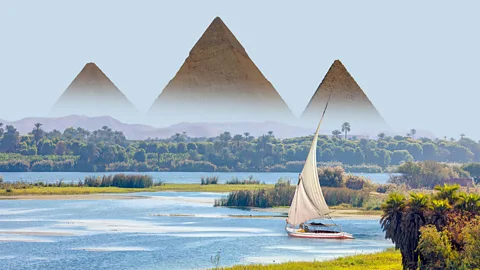

Why Tourism Is Booming After the Pandemic
Tourism is booming once again as global travel rebounds strongly after the COVID-19 pandemic. The pandemic significantly impacted global travel, leading to a dramatic decline in tourism. However, as travel restrictions have begun to ease, a notable resurgence in tourism has emerged, driven by a complex interplay of emotional and psychological factors. The post-pandemic era has sparked a collective yearning for experiences that travel uniquely provides, producing a surge that reflects a profound desire for connection, exploration, and new adventures.
Tourism is booming as the prolonged periods of isolation experienced during the pandemic have created a strong emotional desire to travel again. Individuals are eager to reconnect with family and friends and experience life beyond their immediate surroundings. This growing demand clearly shows that tourism is booming due to the need for social interaction and shared experiences. As a result, tourism is booming globally, with travelers prioritizing meaningful moments and seeking to create unforgettable memories with their loved ones.
Moreover, the longing for adventure has become a pivotal motivator for travel in 2026. After experiencing the constraints of lockdowns and restrictions, many individuals now prioritize new experiences, whether through culinary exploration, outdoor adventures, or cultural immersions. The sense of adventure that accompanies travel has taken on a renewed significance, as people seek to reclaim the freedom to explore diverse destinations and create unforgettable memories.
Psychologically, the act of travel serves as a mechanism for many to regain a sense of normalcy and refuge from the stressors of recent years. The freedom to travel is perceived not merely as a leisure activity but as a vital aspect of personal well-being and mental health. Consequently, tourism is witnessing a remarkable resurgence, with travelers embracing the opportunity to explore, connect, and make lasting memories, marking a significant turning point in the travel industry.
How Tourism Is Booming Due to Technological Advancements
As travel preferences evolve, technological advancements are playing a crucial role in redefining how individuals plan and embark on their journeys. The integration of artificial intelligence (AI) into travel planning processes has particularly transformed user experiences. AI-driven tools can assess travelers’ preferences and suggest customized itineraries, enhancing personalization in ways that were previously unimaginable. This shift not only streamlines travel arrangements but also promotes a more engaging and individualized approach to exploration.
Additionally, the introduction of virtual reality (VR) has offered prospective travelers a unique way to preview destinations. By utilizing VR simulations, individuals can experience various locations before actually visiting, allowing them to make informed decisions about their travel itineraries. This immersive technology provides a deeper understanding of attractions, accommodations, and activities, fostering excitement and anticipation.
The rapid development of mobile applications is another critical factor shaping travel preferences. With functionalities ranging from booking flights and accommodations to offering real-time updates and travel advisories, these apps have become indispensable travel companions. Mobile technology facilitates timely communication and enables travelers to make adjustments on-the-go, enhancing overall convenience.
Moreover, the trend of remote work has liberated many people from traditional office constraints, allowing them to blend work and travel seamlessly. As a result, a growing number of individuals are choosing to work from various destinations, creating a demand for accommodations and services tailored to this new lifestyle. This flexibility not only enriches the travel experience but also encourages a broader range of sustainable travel options, promoting eco-friendly solutions and practices.
In light of these advancements, the tourism landscape continues to experience a significant transformation. As technology becomes further ingrained into the travel industry’s fabric, it is expected to drive an even greater demand for tailored and enriched travel experiences.
As we delve into the dynamics of tourism in 2026, it is imperative to understand the changing consumer behavior that is shaping the travel industry. A significant trend emerging among travelers is the heightened demand for eco-friendly travel options. Increasingly, people are seeking experiences that minimize their ecological footprints, prompting the tourism sector to adapt by offering sustainable practices and green certifications. Travelers are keen on destinations that prioritize environmental stewardship, leading to an uptick in eco-tourism initiatives. This shift not only reflects personal values but also a growing recognition of the importance of preserving our planet for future generations.
Additionally, wellness tourism is gaining traction as more individuals prioritize their health and mental well-being during their travels. Destinations that provide wellness retreats, spa services, and holistic experiences are becoming increasingly popular as travelers seek rejuvenation from their daily stresses. This focus on well-being has created a niche market that caters to consumers searching for more than just traditional sightseeing; they want enriching experiences that foster personal growth and relaxation.
Immersive experiences are also at the forefront of traveler preferences in 2026. Tourists are now looking for opportunities to delve deeper into local cultures, traditions, and communities. This trend has been amplified by the influence of social media and the rise of influencer culture, where travelers share their unique experiences with a global audience. The ability to showcase authentic interactions with local cultures encourages others to choose travel options that promote deeper engagement rather than superficial visits. As influencers highlight their authentic journeys, their followers are guided towards more meaningful travel experiences that align with contemporary values.
In summary, these emerging trends—eco-friendly travel, wellness tourism, and immersive experiences—are indicative of a broader shift in consumer behavior that is reshaping the landscape of the tourism industry in 2026. Understanding these preferences is crucial for stakeholders looking to navigate this evolving market effectively.
Economic Factors and Global Events Influencing Tourism
The resurgence of tourism in 2026 can be attributed to a variety of economic conditions and global events that are significantly shaping travel trends. One primary factor is the increase in disposable income among consumers, particularly in emerging economies. As a result of sustained economic growth, many individuals now have more financial flexibility to spend on leisure and travel, driving an upsurge in tourism activities.
Moreover, the global economic recovery following recent downturns has instilled a sense of optimism in both consumers and businesses. Countries that have managed to stabilize their economies are witnessing a notable rise in domestic and international travel. This recovery phase is marked by increased consumer confidence, which directly translates to higher expenditures in travel and hospitality sectors.
International events also play a crucial role in shaping tourism trends. Major global events such as sporting tournaments, trade expos, and cultural festivals have the potential to attract large crowds, thereby encouraging travel not only from locals but also from international visitors. Events like the Olympics and world expos have a history of drawing substantial tourist numbers, and their scheduled occurrences significantly influence the patterns of tourism in the host countries.
In addition to these events, advancements in technology have streamlined the travel experience, making it easier and more appealing for tourists. Innovations in digital marketing strategies also help promote destinations effectively, further enhancing the overall tourism landscape. Therefore, a combination of increased disposable income, economic stabilization, and impactful global events are collectively contributing to the booming tourism industry in 2026, creating a vibrant and dynamic travel environment.
Start planning your next trip today and experience why tourism is booming around the world! Don’t miss out—explore top destinations now and be part of the tourism boom in 2026!
0 Comment