


Introduction to Egypt’s Hidden Historical Gems
Egypt’s Hidden Historical Gems treasures reveal a fascinating side of the country beyond iconic landmarks like the Pyramids of Giza and the Sphinx. While many visitors focus on famous attractions, Egypt is home to countless lesser-known sites that offer unique perspectives on its rich cultural heritage. These hidden historical gems showcase ancient architecture, rare artifacts, and insights into the everyday lives of the civilizations that shaped this remarkable land.
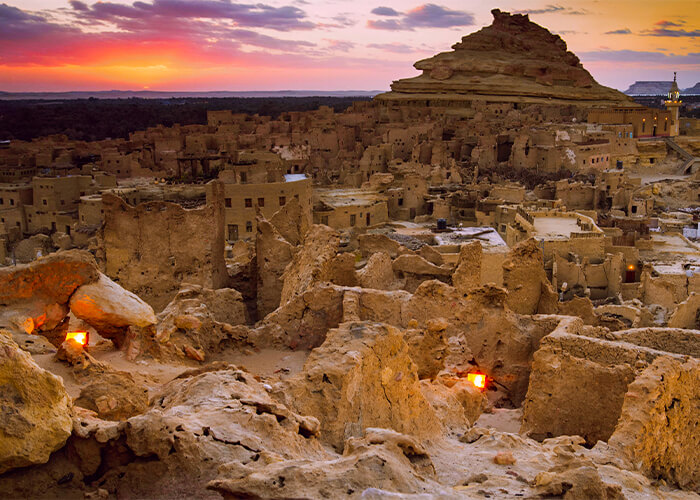
Exploring these lesser-known destinations allows travelers to experience Egypt beyond the conventional tourist narrative. From ancient tombs tucked away in remote valleys to charming villages steeped in tradition, these places often reveal stories that have been overshadowed by more famous attractions. Highlights include sites like the temple complex of Abydos, famed for its intricate carvings and royal tombs, and the charming town of Siwa Oasis, known for its unique cultural practices and ancient oracle.
Moreover, venturing off the beaten path not only enriches one’s understanding of Egypt’s multifaceted history but also provides an opportunity to interact with local communities and experience their traditions firsthand. Many of these hidden gems are less frequented by tourists, which fosters a more intimate experience and can lead to meaningful exchanges with local populations. Such engagement offers travelers a deeper appreciation for the customs and lifestyle that shape the modern Egyptian identity.
In summary, Egypt’s lesser-known treasures serve as a reminder that the country’s historical narrative extends far beyond its most iconic sites. By encouraging exploration of these hidden gems, travelers can uncover the stories and experiences that contribute to Egypt’s rich cultural heritage, making their journeys all the more memorable.
Exploring the Ancient City of Tanis
Tanis, situated in the northeastern region of the Nile Delta, presents a fascinating glimpse into ancient Egyptian civilization. This archaeological site thrived during the New Kingdom and is renowned for its significant ruins which include the Temple of Amun and various impressive royal tombs. Tanis was once a capital city and exhibits a rich cultural heritage that continues to provide insights into the complexities of ancient Egyptian life.
The remnants of the Temple of Amun are particularly striking, showcasing detailed hieroglyphics and impressive architectural features that are characteristic of the period. Constructed in honor of the god Amun, the temple’s ruins reflect the grandeur and religious devotion prevalent during the time. Visitors to Tanis can observe colossal statues and obelisks that offer a view into the artistic style of the New Kingdom, enabling an understanding of how religion influenced daily life.
Moreover, the royal tombs found in Tanis, which include the tombs of several pharaohs, are a treasure trove for historians and archaeologists alike. Many artifacts discovered here, such as funerary items and jewelry, highlight the wealth and power associated with the rulers of ancient Egypt. The tombs showcase intricate burial practices, revealing the beliefs surrounding the afterlife in ancient Egyptian culture. Despite its archaeological significance, Tanis remains relatively unexplored compared to more famous sites like Luxor and the Valley of the Kings.
One reason for this under-exploration is its geographical location and accessibility; Tanis, while significant, does not attract the high volumes of tourists that other sites do. However, for those interested in history and archaeology, Tanis offers a unique opportunity to explore a lesser-known aspect of ancient Egypt, revealing the stories and mysteries that lie beneath its sands.
The Enigmatic Tombs of Beni Hasan
The Tombs of Beni Hasan, located on the east bank of the Nile in Middle Egypt, represent a remarkable example of ancient Egyptian funerary architecture. Dating back to the Middle Kingdom, these rock-cut tombs are carved into the limestone cliffs and span several dynasties, showcasing the remarkable artistry and cultural values of the period. They served as burial sites for regional governors and other dignitaries, reflecting the social hierarchies that defined ancient Egyptian society.
One of the most striking features of the tombs is the stunning wall paintings that have remarkably withstood the test of time. These vibrant illustrations offer an invaluable glimpse into daily life in ancient Egypt, depicting various activities such as farming, fishing, and hunting. The intricate carvings and hieroglyphs that adorn the tombs not only celebrate the achievements of the deceased but also provide insight into the customs, traditions, and social dynamics of the era. The scenes captured in these tombs illustrate the importance of agriculture and leisure in ancient Egyptian life, emphasizing the connection between the living and the afterlife.
Despite their historical significance, the Tombs of Beni Hasan are often overlooked by travelers and do not frequently appear in typical itineraries. Accessibility to this site has improved over the years, allowing visitors to explore the fascinating world of ancient Egypt without the crowds typically found at more famous locations. That said, it remains a less-explored treasure where one can fully appreciate the artistry and cultural heritage of ancient times. For those seeking to delve into Egypt’s rich history, visiting Beni Hasan offers a unique opportunity to witness some of the most compelling expressions of ancient Egyptian civilization.
The Forgotten Oasis of Siwa and its Historical Significance
The Siwa Oasis, nestled in the heart of the Sahara Desert, is often overlooked by travelers seeking Egypt’s more popular destinations. However, it stands as a testament to the rich historical tapestry of the region, offering deep insights into the ancient culture and traditions of the Egyptian people. Its historical significance is largely anchored by the Temple of Amun, an ancient oracle that served as a spiritual center renowned across the Pharaonic world. Visitors to the temple can explore the remnants of its grandeur, where ancient Egyptians would travel to seek the wisdom of the oracle, believing it to hold divine responses to their queries.
The Siwan people, the indigenous inhabitants of this oasis, are known for their unique customs and lifestyle, which have remained relatively unchanged over the centuries. Their practices, woven into the fabric of everyday life, reflect a deep connection with the land and its history. Traditional handicrafts such as woven mats and pottery can be seen throughout the area, providing visitors with a glimpse into a culture that is vibrantly alive and steeped in history.
Siwa’s role in ancient Egyptian history cannot be understated. This oasis not only served as a vital source of water and agriculture but also as a hub for trade routes that connected various parts of the ancient world. As historians and archaeologists continue to uncover the layers of Siwa’s past, its potential as a hidden gem becomes increasingly clear. Travelers who venture to Siwa will discover a landscape rich in both natural beauty and historical narratives, allowing them to appreciate the lifestyle and heritage of a region that has much to offer beyond its historical sites.
Discover Egypt’s Hidden Historical Gems Today! Plan Your Journey to Egypt’s Lesser-Known Wonders
0 Comment