

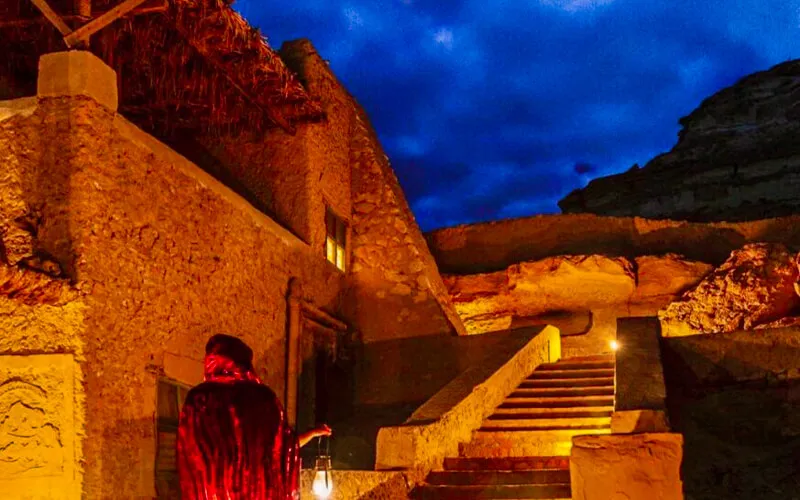

Exploring Hidden Egypt Adventures: Lesser-Known Wonders
Hidden Egypt Adventures reveal lesser-known treasures beyond the famous Pyramids of Giza and the Sphinx, offering enriching experiences for adventurous travelers. One such gem is the Temple of Abydos in the Sohag Governorate. This ancient temple complex, dedicated to Osiris, is renowned for its impressive hieroglyphs and significant burial grounds. Visitors are captivated by the well-preserved carvings depicting various pharaohs, a testament to the temple’s historical importance.
Another notable site is the Siwa Oasis, an isolated retreat near the Libyan border. Known for its lush palm groves and natural springs, Siwa offers a contrasting landscape to Egypt’s arid deserts. Its history stretches back to antiquity, as it was once a center for oracle worship. Travelers can immerse themselves in the local culture by participating in traditional customs, sampling local cuisine, and exploring the expansive salt lakes that surround the oasis.
The Dashur Necropolis is yet another hidden architectural marvel. Located just south of Cairo, it is home to the lesser-visited pyramids, including the Bent Pyramid and the Red Pyramid. These structures showcase unique architectural features that differ from the more familiar pyramids and provide insights into the evolution of pyramid construction. Here, visitors can wander amidst the ancient ruins, capturing glimpses of the past while avoiding the bustling crowds typical of more famous sites.
Exploring these lesser-known attractions not only allows for an appreciation of Egypt’s rich tapestry of history but also offers a more intimate encounter with the country’s heritage and its friendly inhabitants. Visitors will find that engaging with local communities and witnessing daily life amplifies the experience, creating lasting memories far from the traditional tourist paths.
Thrilling Hidden Egypt Adventures Beyond Traditional Tours
While Egypt is renowned for its historical monuments and cultural treasures, adventurous travelers seeking unique experiences will find incredible activities that deviate from conventional itineraries. One of the most exhilarating options is sandboarding in the dunes of the Western Desert. This activity offers visitors the chance to glide down the sandy slopes, providing not only an adrenaline rush but also stunning views of the vast desert landscapes. The thrill of navigating the shifting sands creates a memorable experience that is distinctly Egyptian.
Hiking in the Sinai Mountains is another exceptional option for those eager to explore beyond the usual tourist paths. The Sinai Peninsula is home to some of Egypt’s most breathtaking landscapes, where rugged mountains offer hiking trails suited to various skill levels. Guided treks lead adventurers past ancient monasteries and uniquely colored rock formations, culminating in the opportunity to witness a spectacular sunrise from the summit of Mount Sinai. This journey not only offers physical challenges but also a spiritual connection to the area’s rich history.
Boat rides along the Nile also provide thrilling encounters with Egypt’s natural beauty. However, opting for less-traveled routes allows visitors to discover hidden gems along the river. Venturing to secluded islands or lesser-known villages reveals the tranquil and picturesque side of Nile life. Kayaking through the waters or taking a traditional felucca ride presents an alternative way to view the lush banks lined with date palms and the vibrant local communities that thrive alongside the river.
Overall, these off-the-beaten-path activities are designed for those who crave adventure and a fresh perspective on Egypt. Whether it’s the rush of sandboarding, the challenge of hiking, or the serenity of a quiet boat ride, these experiences delve deeper into the country’s diverse landscapes and vibrant cultures.
Cultural Immersion and Authentic Local Experiences
Cultural immersion is a vital aspect of off-the-beaten-path tours in Egypt, allowing travelers to engage meaningfully with local communities. These experiences provide an opportunity to step beyond the traditional tourist routes and discover the rich tapestry of Egyptian culture. By participating in local festivals, visitors can witness vibrant celebrations that reflect the heritage and customs of various regions. For instance, attending the Abu Simbel Sun Festival, where the sun illuminates the temple’s inner sanctum, offers travelers a unique insight into ancient practices still cherished by contemporary Egyptians.
Moreover, hands-on workshops enable tourists to learn age-old crafts directly from artisans. Whether it is pottery in the village of Fustat or weaving in Nubia, these activities allow visitors to grasp the intricacies involved in these traditional practices. This interaction fosters a deeper appreciation for the skills and dedication that underpin these crafts, which have been passed down through generations.
Equally important is the culinary aspect of cultural immersion. Savoring authentic Egyptian cuisine, such as koshari or stuffed pigeons, introduces travelers to the flavors that define the nation’s gastronomic landscape. Engaging with local cooks in family-run restaurants or markets adds an authentic layer to the experience, transforming a simple meal into a journey through regional ingredients and cooking methods. Such encounters not only enhance one’s culinary knowledge but also build connections with the locals, who are often eager to share the stories behind their dishes.
Overall, these cultural experiences enrich the traveler’s journey by enabling them to discover the day-to-day lives of Egypt’s diverse communities, thus fostering a greater understanding and appreciation of this historical land’s vibrant culture. Engaging in these immersive experiences can create lasting memories and profound connections with the Egyptian way of life.
Planning Your Own Hidden Egypt Adventure
Embarking on a hidden Egypt adventure requires careful planning that goes beyond typical tourist destinations. One of the crucial aspects to consider is timing; the best months to explore Egypt are generally from October to April when temperatures are milder. This makes it an ideal time for hiking to remote ancient sites or exploring less-visited cities. During these months, you can enjoy optimal weather while avoiding the sweltering heat of the summer.
When planning your itinerary, focus on lesser-known locations such as Siwa Oasis, the White Desert, or the ancient city of Akhetaton. These sites not only exhibit Egypt’s rich history but also offer unique experiences away from the crowds. Travel logistics are essential; consider renting a car if you plan on visiting multiple off-the-beaten-path destinations, as public transport may not be reliable or available in remote areas. Alternatively, hiring a local guide can enhance your experience, providing insight into cultural and historical contexts that you might not learn from guidebooks alone.
As for safety, ensure you stay updated on travel advisories from your home country regarding Egypt. Always share your travel plans with someone who is not traveling with you and consider downloading safety apps that can assist you in emergency situations. It is equally important to familiarize yourself with local customs and etiquette, while respecting the communities you visit.
To create a personalized itinerary, numerous online platforms and travel forums specialize in bespoke travels in Egypt. Websites such as Lonely Planet or the official Egypt Tourism website can provide invaluable resources, including recommendations for local guides and verified tours focused on hidden gems. Engaging with fellow travelers on social media or traveling blogs can also yield firsthand experiences and insider tips that can enrich your off-the-beaten-path Egyptian adventure.
Embark on Hidden Egypt Adventures Today Uncover Hidden Egypt Adventures Like Never Before
0 Comment