


The Historical Significance of Coptic Cairo
Coptic Cairo, one of the oldest parts of Cairo, bears witness to centuries of history, religious evolution, and cultural significance. The area’s origins trace back to the early days of Christianity in Egypt, which began to flourish after the arrival of Saint Mark in the first century AD. This marked the start of what would become a thriving Coptic Christian community, steeped in rich traditions and spiritual practices.
The establishment of Coptic Cairo is particularly noteworthy during the Byzantine era, when it served as a central hub for Christian learning and religion. Many of the historic churches that dot this area, including the renowned Hanging Church and the Church of St. Sergius, showcase unique architectural styles that reflect the profound influence of Byzantine artistry. These churches not only serve as places of worship but also as repositories of art, with exquisite iconography and historical artifacts that narrate the story of Coptic Christianity in Egypt.
As Islamic rule emerged in the 7th century, Coptic Cairo continued to hold immense significance. The coexistence of Muslims and Christians forged a unique cultural landscape, where elements of both faiths influenced each other. Periods of relative peace allowed for the continuation of Coptic traditions, while other times brought challenges, requiring the Copts to adapt and reshape their practices in the face of changing political landscapes. The visible remnants of both Christian and Islamic architecture in the area stand as a testament to this historical interplay.
Throughout the centuries, Coptic Cairo has served as a symbol of resilience amid adversity. The area’s churches and museums, such as the Coptic Museum, encapsulate the enduring legacy of Coptic Christianity, narrating its centuries-long journey through triumphs and challenges. Today, Coptic Cairo remains a focal point for understanding the intricacies of religious and cultural history in Egypt.
Impressive Coptic Churches You Should Visit
Coptic Cairo boasts a rich tapestry of history, showcased through its remarkable churches that date back to the early centuries of Christianity. These churches are not just places of worship; they are also repositories of art, architecture, and Coptic culture. One of the most significant among them is the Hanging Church, known locally as Saint Virgin Mary’s Coptic Orthodox Church. This church is built on top of the ancient Babylon Fortress and is famous for its unique construction, featuring a wooden ceiling that resembles the keel of a ship. Visitors will find breathtaking icons and intricate carvings that reflect the deep spiritual heritage of the Coptic community.
Another key site is the Church of St. Sergius and Bacchus, which is traditionally believed to stand on the site where the Holy Family rested during their flight into Egypt. This church’s architectural design is a fine example of early Coptic style, characterized by its simple layout and beautiful altar. The church houses several artifacts, including ancient manuscripts that provide valuable insight into the Coptic Orthodox Church’s early practices and beliefs.
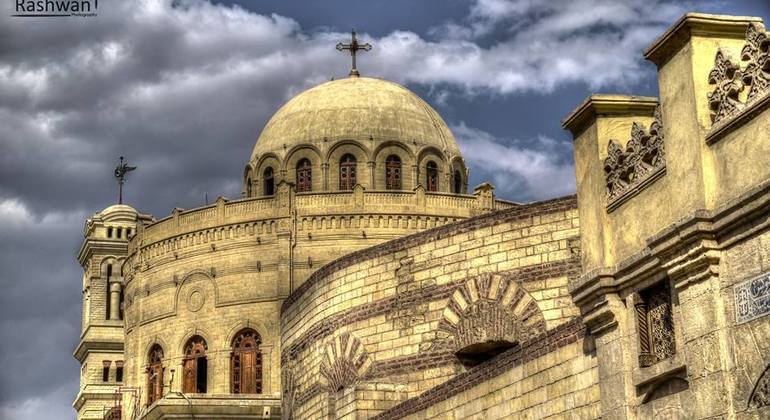
Additionally, the Church of St. George is notable for its circular structure, a rarity in Coptic architecture. Named after the venerated martyr, St. George, this church features a stunning dome adorned with vibrant frescoes and intricate designs. St. George’s church is not only an important historical site but also a hub for contemporary Coptic worship and community events, allowing visitors to witness the living tradition of the Coptic faith.
Each of these churches offers a unique glimpse into the history and culture of the Coptic community, making them essential stops for anyone journeying through Coptic Cairo. Whether through their architectural splendor or their richly endowed artifacts, the churches of Coptic Cairo continue to inspire and educate visitors about the depth of Coptic Christianity.
Coptic Museums: Preserving Heritage and Art
Cairo, a city steeped in history, serves as a cradle for Coptic art, culture, and heritage, predominantly preserved within its numerous museums. Among these, the Coptic Museum stands out as a primary institution committed to safeguarding the narrative of Coptic Christianity. Established in 1910, it houses an extensive collection of artifacts that illuminate the religious and artistic traditions of the Coptic community in Egypt. The museum’s rich assemblage includes intricately carved wooden objects, textiles, manuscripts, and ceramics, all reflecting the unique fusion of Egyptian and Christian iconography.
As visitors explore the Coptic Museum, they encounter exquisite pieces such as the fragments of a rare 5th-century Coptic textile and a magnificent collection of icons that trace the evolution of Coptic artistry throughout the centuries. This institution not only showcases artifacts but also serves as a vital educational platform, aiming to foster an understanding of Coptic history and its significant impact on Egyptian identity. Guided tours and educational programs are essential components of the museum’s mission, attracting local and international visitors keen to learn about the Coptic narrative.
In addition to the Coptic Museum, several smaller institutions also contribute to the preservation of Coptic heritage. The Museum of Coptic Art, for instance, displays a range of artifacts that celebrate the artistic contributions of Copts, particularly focusing on manuscripts and liturgical implements. These museums play an integral role in documenting and presenting Coptic history, ensuring that future generations remain connected to this rich cultural heritage. Through exhibitions, research, and public engagement, Coptic museums in Cairo are vital for nurturing appreciation of Coptic art and its historical context.
Experience Coptic Cairo: Tips for Visitors
Visiting Coptic Cairo provides a unique opportunity to explore one of the oldest Christian communities in the world, rich in history and spirituality. To make the most of your journey, consider timing your visit appropriately. The best months to explore Coptic Cairo are from October to April when the weather is cooler and more enjoyable for walking tours. Try to plan your visit during weekdays to avoid larger crowds over weekends.
Navigating the area can be effortless with a few tips. Coptic Cairo is compact, making it easy to explore by foot. Ideally, begin your journey at the Coptic Museum, which offers a comprehensive understanding of the history and art of the Coptic community. Joining a reputable guided tour can enhance your experience, providing deeper insights into the rich heritage of Coptic churches. Various options are available, ranging from private guides to group tours that cover notable sites, including the Hanging Church and the Church of St. Sergius and Bacchus.
Respecting local traditions is crucial when visiting Coptic Cairo. Dress modestly, covering shoulders and knees, particularly when entering churches. Remember to observe silence and refrain from taking photographs in restricted areas to honor the sacred atmosphere. After an enriching day of exploration, consider enjoying local cuisine at nearby restaurants. Places like Abou Tarek serve delicious Egyptian koshari, offering both visitors and locals a taste of authentic flavors. Additionally, local shops feature unique handicrafts and religious artifacts, perfect for those seeking souvenirs.
Furthermore, if your visit coincides with significant cultural events or festivals, such as the Coptic Christmas on January 7, you will get a chance to witness vibrant traditions and celebrations, providing an enriched understanding of the Coptic heritage.
Step Into Egypt’s Christian Heritage in Coptic Cairo Discover the Spiritual Heart of Old Cairo
0 Comment