

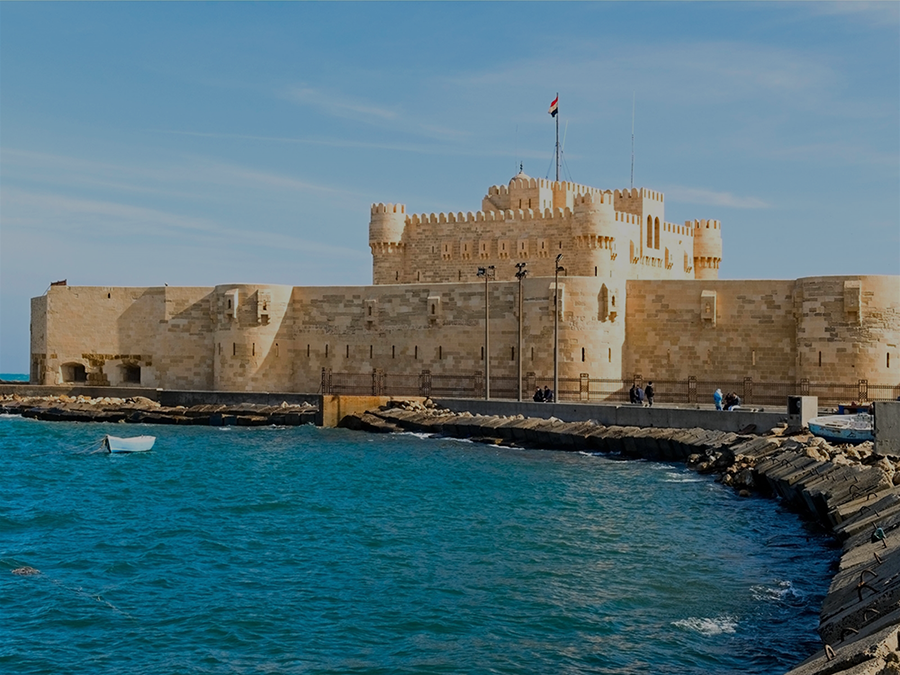

Experience the Magic of Egypt: A Journey Through Ancient Wonders
The Magic of Egypt comes alive through its history, culture, and breathtaking landmarks. From the iconic Pyramids of Giza to the mysteries of the Nile, Egypt offers an unforgettable journey spanning over three millennia. The Great Pyramid, built for Pharaoh Khufu during the Fourth Dynasty, continues to awe travelers with its monumental scale and precise alignment, symbolizing the architectural genius and spiritual beliefs of ancient Egyptians.
The Magic of Egypt is also embodied in another iconic structure, the Great Sphinx of Giza. With its lion’s body and human head, the Sphinx is believed to represent Pharaoh Khafre and protects the pyramids with a gaze that has captivated visitors for centuries. This majestic monument, alongside the pyramids, highlights the enduring Magic of Egypt in architecture, ingenuity, and artistic excellence, while also inspiring countless theories about its purpose and origins.
Beyond these monumental sites, the Valley of the Kings reveals more of the Magic of Egypt. This burial site, where numerous pharaohs including Tutankhamun were interred, showcases intricate wall paintings and artifacts that reflect the daily life, beliefs, and rituals of ancient Egyptians. Each tomb tells a story of a life lived and the preparations for the journey into the afterlife, further enriching the experience of Egypt’s timeless magic for every traveler.
Throughout history, various dynasties contributed to Egypt’s cultural legacy, from the Early Dynastic Period to the Greco-Roman era. The achievements of these dynasties in governance, trade, and the arts not only shaped their civilization but have left a lasting imprint on human history. Today, these archaeological sites attract millions of tourists each year, inviting them to experience the rich cultural tapestry of ancient Egypt firsthand and to understand its significant contributions to humanity.
The Magic of Egypt: Wonders of Modern Tourism
Contemporary tourism in Egypt showcases a vibrant fusion of ancient history and modern attractions, making it one of the leading destinations in the world. Cairo, the bustling capital, is home to the iconic Pyramids of Giza, where visitors can marvel at the ingenuity of ancient Egyptian architecture. The Egyptian Museum, also located in Cairo, provides a comprehensive look at the country’s rich past, featuring artifacts from the pharaonic era, including treasures from King Tutankhamun’s tomb.
Travelers venturing south to Luxor encounter another jewel of Egyptian tourism. Here, the Valley of the Kings and the Temple of Karnak are must-visit sites. Luxor is often referred to as the “world’s greatest open-air museum” due to its concentration of ancient temples and monuments. Tourists can explore these historical sites during the day and enjoy sunset cruises on the Nile River, offering a unique perspective of the landscape.
Aswan, known for its picturesque scenery and laid-back atmosphere, further enhances Egypt’s tourism appeal. Visitors can experience the serene beauty of the Nile, take a felucca ride, or visit the famous Abu Simbel temples, which have been relocated to avoid flooding from the Aswan High Dam. The area is also renowned for its cultural festivals that celebrate local traditions, providing an immersive experience for tourists.
The impact of tourism on Egypt’s economy has been profound, especially following the global events that have shaped travel in recent years. The industry has adapted to new safety protocols while promoting sustainable travel options. For visitors considering a trip to Egypt, it is recommended to plan itineraries that include a mix of historical exploration and cultural experiences. Opting for local guides can enhance understanding and appreciation of the rich cultural heritage. Overall, modern Egyptian tourism offers a diverse range of experiences that cater to various interests.
Cultural Richness: Traditions and Festivities
Egypt is a country steeped in a rich tapestry of cultural traditions and diverse festivities, integral to its national identity. The Egyptian culture manifests vibrantly through its music, dance, and artistic expressions, which have been preserved and celebrated across generations. With its ancient roots, Egypt’s cultural heritage offers visitors and locals alike a unique insight into its historical legacy and contemporary practices.
One of the most significant times of the year is during Ramadan, the holy month of fasting observed by Muslims across the country. This period is characterized by communal prayers, nightly feasts known as Iftar, and an overall sense of community and charity. Eid al-Fitr, which marks the end of Ramadan, is celebrated with great enthusiasm, featuring traditional meals, but also with the exchanging of gifts and social gatherings that foster connection among families and friends.
Beyond religious occasions, Egypt boasts numerous cultural festivals that attract attention from global tourists. Events like the Cairo International Jazz Festival and the Abu Simbel Sun Festival celebrate the harmony of music and art, showcasing both traditional and modern influences. Such festivals not only provide entertainment but also serve as platforms for cultural expression and preservation, enriching the lives of participants.
According to local resident Mahmoud Ezzat, “Our traditions are not just ceremonies; they weave our memories and narratives as a community. Each dance, song, and artwork reflects our identities and stories. Visiting these festivals allows tourists to witness the soul of Egypt firsthand.” Therefore, the rich tapestry of Egypt’s traditions, music, dance, and festivities not only captivates those seeking authentic experiences but also celebrates the enduring spirit of its people.
Culinary Delights of Egyptian Cuisine
Egyptian cuisine is a vibrant tapestry of flavors and ingredients that reflect the country’s rich history and diverse cultural influences. Traditional dishes such as koshari, a hearty mix of rice, lentils, and pasta topped with a tangy tomato sauce, exemplify the fusion of flavors that characterize Egyptian food. Another popular dish is falafel, which, although originally Middle Eastern, has become a beloved staple in Egypt, served in various forms, often wrapped in pita bread. These dishes not only satisfy the palate but also serve as a window into the culinary traditions of the region.
The historical context of Egyptian cuisine is deeply rooted in the Nile’s agricultural bounty. The fertility of this region has nurtured an array of fresh vegetables, legumes, and grains, which feature prominently in local dishes. Furthermore, the influences brought by various civilizations—including the Pharaonic, Greek, Roman, Arab, and Ottoman empires—have enriched the flavors and preparation methods in Egyptian cooking. Such historical layers are important for travelers looking to understand and appreciate the food culture in Egypt.
Food in Egypt is fundamentally a communal experience, emphasizing the significance of shared meals in fostering relationships and community ties. This cultural practice is particularly evident during celebrations and festivals where large gatherings revolve around lavish feasts, showcasing an array of dishes that invite participation from all attendees.
For visitors eager to experience authentic Egyptian cuisine, it is recommended to explore local eateries and bustling markets. Places such as Khan el-Khalili market in Cairo offer an abundance of culinary delights and traditional street food. Engaging with locals at these vibrant venues will not only ensure a genuine taste of Egypt but also enhance the overall tourist experience through the flavors of its culinary heritage.
Discover the Magic of Egypt – Book Your Adventure Today! Don’t Miss the Magic of Egypt! Reserve your tour and uncover ancient wonders today!
0 Comment