
Egypt is more than pyramids and temples. It’s also around 110 million people living, working, studying, and celebrating in a country of huge contrasts, from Cairo’s crowded streets to quiet Nile villages and Red Sea coasts. No single day represents everyone, since life differs between big cities and farming villages, between families, and between jobs. But some rhythms are widely shared, and following them from dawn to midnight is one of the best ways to understand the country.
Early Morning: The Day Begins at Dawn
Many Egyptians wake early, especially in summer when the heat builds quickly. In Muslim households, the day often starts with the dawn call to prayer (fajr), drifting from neighborhood mosques. Not everyone gets up to pray, but the call is part of the soundscape of the country, and for many it marks the start of the day.
In rural areas, the day starts even earlier. Farmers head to the fields along the Nile and the Delta while it’s still cool, tending crops such as wheat, rice, cotton, sugarcane, and vegetables. Irrigation canals, water buffalo, and donkey carts are still a familiar sight in many villages, alongside tractors and motorbikes.
Breakfast: Simple, Hearty, and Social
Breakfast is often fast, filling, and inexpensive. Common choices include:
Ful medames: slow-cooked fava beans with oil, lemon, and cumin.
Ta’ameya: Egyptian falafel made with fava beans, served in bread.
Eggs, cheese, and fresh bread, often with white cheese, olives, and tomatoes.
Baladi bread: a round, whole-wheat flatbread that’s a daily staple, widely sold at bakeries and often subsidized.
Tea, strong and sweet, sometimes with mint.
Many people grab a ful or ta’ameya sandwich from a street stall on the way to work, and for a lot of families, breakfast is also a time to catch up before everyone scatters.
The Morning Commute
In big cities, mornings can be intense. Cairo and Giza are among the most populated urban areas in Africa and the Middle East, and getting around is part of daily life.
The Cairo Metro is one of the fastest and cheapest ways to travel, and it has women-only carriages.
Microbuses and minibuses run set routes with flexible stops, and passengers pass fares forward hand to hand.
Taxis and ride-hailing apps are widely used, and many Egyptians rely on apps for convenience and fixed prices.
Tuk-tuks are common in neighborhoods and smaller towns.
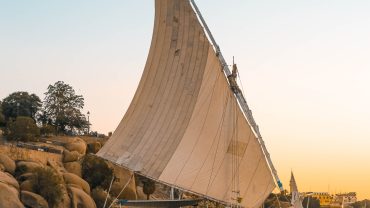
Nile ferries and boats carry commuters in some areas.
Traffic can be loud and fast, with horns used as a kind of language. To a visitor it can look like chaos, but it has its own rhythm.
School and Work
Children in uniform fill the streets in the morning. Egypt has a large young population, and education is a major priority for families, many of whom invest heavily in their children’s schooling and in private lessons. Students often study for important exams, and success is a source of family pride.
Adults work in a wide range of jobs:
Agriculture: farming and rural trades.
Services and tourism: guides, drivers, hotel staff, and restaurant workers.
Retail and markets: shop owners and street vendors.
Offices and public service: banking, government, teaching, and healthcare.
Industry and construction: manufacturing, building, and skilled trades.
Technology and creative fields: a growing sector, especially in big cities.
Work culture often values relationships. Meetings may begin with tea and polite conversation, and personal connections can matter as much as formal procedures. Many people balance more than one job or a side business, because living costs are a serious concern for many families.
Midday: Heat, Prayer, and a Pause
As the day heats up, many people slow down. Shops may close for a short break, and cafes fill with people looking for shade and a cold drink. At midday, the noon prayer (dhuhr) is observed by many Muslims, and on Fridays the main congregational prayer draws large crowds to mosques. Coptic Christians also have their own prayer and church life, with Sunday and various fasting periods important in the calendar.
Common midday drinks include tea, fresh sugarcane juice, hibiscus (karkadeh), and tamarind drinks, especially in summer.
Lunch: The Main Family Meal
In many households, lunch is the biggest meal of the day, usually eaten in the afternoon after school and work. A typical table might include:
Rice or pasta, often served with a tomato sauce.
Stews and vegetables, such as okra, peas, or green beans cooked with tomato.
Chicken, fish, or meat, depending on budget and occasion.
Molokhia over rice, a favorite family dish.
Mahshi: vegetables stuffed with rice and herbs.
Salad, pickles, and bread.
On Fridays and holidays, families gather for larger meals, often with relatives, with several dishes and plenty of conversation. Many Egyptians say that no meal feels complete without bread.
The Afternoon: Errands, Markets, and Street Life
Afternoons are busy and varied. People shop at neighborhood markets, buy vegetables from street sellers, and pick up fresh bread from bakeries. In older districts, you may hear vendors calling their goods, and you’ll see small shops spilling onto the pavement, selling everything from spices and clothes to electronics and household goods.
Children play in the streets or courtyards, and football is hugely popular. Matches involving Egypt’s national team or big clubs such as Al Ahly and Zamalek can pause entire neighborhoods. Many Egyptians follow football passionately, and cafes fill up to watch the games.
Evening: When Egypt Comes Alive
In many parts of the country, the cool of the evening is the best time of day. After sunset, the maghrib prayer and the sound of the call to prayer mark the end of the day for many, and streets fill with people.
Families and friends stroll along the Nile corniche, the Mediterranean seafront in Alexandria, or neighborhood squares.
Cafes (ahwas) fill with men and, increasingly, women and mixed groups, playing backgammon (tawla) or dominoes, drinking tea or coffee, and sometimes smoking shisha.
Street food stalls and restaurants buzz with activity, serving koshari, grilled meat, sweets, and fresh juices.
Shopping areas stay open late, especially in summer and during holidays.
Egyptians are known for their sense of humor, and evenings are full of jokes, storytelling, and conversation, often continuing late into the night.
Dinner and Family Time
Dinner tends to be lighter than lunch and eaten later. Many families have cheese, eggs, fruit, bread, and leftover dishes, or order from a local restaurant. Evenings are for television, music, and family, and Egyptian dramas, comedies, and talk shows draw large audiences. Egypt has long been called the “Hollywood of the Arab world,” and Egyptian films and music are known across the region.
Phones and social media are part of daily life, too. Many young people are online, sharing music, humor, and news.
How Daily Life Changes During Ramadan
During Ramadan, the rhythm of the day changes completely. Muslims fast from dawn to sunset, so work hours are shorter, the days are slower, and energy is saved for the evening. At sunset the cannon or call to prayer announces iftar, the meal that breaks the fast, often starting with dates and water or juice, followed by a larger meal. Streets are decorated with lanterns and lights, charity tables (mawa’ed el-rahman) offer free meals to the needy, and the nights stay lively until the early hours with shopping, cafes, and gatherings. A late meal called suhoor is eaten before dawn.
Village Life Versus City Life
Daily life varies a lot depending on where you live.
In big cities like Cairo and Alexandria:
Life is fast, crowded, and busy.
Apartments and high-rises are common, and neighbors often know each other well.
Many people commute long distances, and cafes, malls, and nightlife are widely available.
In villages and smaller towns:
Farming, family networks, and community ties are central.
Life revolves around the seasons, the harvest, and the local mosque or church.
Traditions are often stronger, and visitors are warmly welcomed.
In Nubian, Bedouin, and oasis communities:
Distinct languages, music, clothing, and customs continue, such as Nubian in the south, Bedouin in Sinai and the deserts, and Amazigh in Siwa.
Family, Community, and Values
Family is at the heart of Egyptian society. Extended families often live close together, sometimes in the same building, and relatives help each other with childcare, money, and big events. Respect for elders, hospitality to guests, and loyalty to friends and neighbors are widely valued.
Weddings, births, graduations, and religious holidays bring families and communities together with music, food, and celebration. Hospitality is not an act for tourists. It’s a deeply rooted social habit.
Everyday Challenges
A realistic picture of daily life also includes challenges. Many families face rising living costs, competition for jobs, crowded cities, and pressure on housing and services. Many Egyptians respond with resilience, humor, and a strong sense of community, which is a big part of what makes everyday Egypt so distinctive.
What Visitors Can Take From This
You don’t need a guide to experience everyday Egypt:
Eat where locals eat. A koshari shop or ful stand shows daily life at its most honest.
Spend an evening at a cafe. Order tea, watch the street, and play a game of tawla if invited.
Ride the metro or a ferry. It’s a window into daily routines, though stay aware of your belongings.
Walk the Corniche in the evening. It’s where many families unwind.
Say yes to hospitality. A cup of tea is often the start of a friendly conversation.
Be respectful. Ask before photographing people and follow local etiquette.
Final Thoughts
A day in the life of an Egyptian is a mixture of ancient and modern: dawn prayers and smartphones, donkey carts and metro trains, family lunches and late-night cafes. Beyond the monuments, it is the daily life of Egypt, warm, humorous, hardworking, and sociable, that stays with many visitors the longest.
Explore exciting tours and unforgettable Red Sea adventures.
View Tours & Excursions →
Find your dream property by the Red Sea with flexible installments.
Explore Properties →

Comment (0)