
For thousands of years the Nile has been Egypt’s highway, its lifeline, and its main stage for history. The pharaohs sailed it to build temples, and pilgrims and traders followed. Today, a Nile cruise is one of the most relaxing and rewarding ways to see Egypt’s greatest monuments. You unpack once, watch palm groves and desert cliffs drift by from the deck, and wake up each morning moored beside another ancient site.
Why Cruise the Nile?
Unpack once. Your floating hotel moves between Luxor and Aswan while you sleep, so there’s no repeated packing, no changing hotels, and no hunting for transport between temples.
Efficient sightseeing. Visits to Karnak, Edfu, Kom Ombo, and Philae are bundled into a smooth itinerary, often with a guide.
A slower view of Egypt. Between tours, you can watch village life, farmers, fishermen, children waving from the banks, and water buffalo at the river’s edge.
Comfort and atmosphere. Sunset on the sun deck with the river turning gold is a highlight for many travelers.
Great for first-timers. A cruise gives structure and support for people who prefer an organized trip.
The Classic Route: Luxor to Aswan
The most popular cruise runs between Luxor and Aswan, usually over 3 to 5 nights, depending on direction and stops. The route follows the river through the Upper Egyptian countryside, passing farmland and desert edges. Some cruises also start or end in Esna, so check the itinerary.
Stop 1: Luxor
Many cruises begin or end here, so it’s worth adding extra days before or after. Highlights include:
Karnak Temple, the vast temple complex with its forest of giant columns.
Luxor Temple, beautifully lit at night.
The West Bank, with the Valley of the Kings, the Temple of Hatshepsut, and the Colossi of Memnon.
Optional extras, such as a hot-air balloon flight at sunrise.
Stop 2: Esna
Some itineraries pass through the Esna lock, one of the sights of the river itself, where boats wait their turn to move between water levels, often surrounded by small boats selling goods. The Temple of Khnum in the town is known for its decorated columns and astronomical ceiling scenes.
Stop 3: Edfu
The Temple of Horus at Edfu is one of the best-preserved temples in Egypt. Its soaring entrance pylon, giant falcon statues, and detailed inscriptions give a clear picture of how a late-period temple worked. Many visitors reach it by horse-drawn carriage, a classic Nile cruise tradition. Check current arrangements, as local transport rules can change.
Stop 4: Kom Ombo
This double temple, shared by the crocodile god Sobek and Horus the Elder, sits beautifully on a bend in the river. Its twin sanctuaries and nearby crocodile museum make for an interesting stop, and the setting at sunset is especially lovely.
Stop 5: Aswan
The cruise usually ends or begins in Aswan, a calmer city of granite islands and golden dunes. You can visit:
Philae Temple, the island sanctuary of Isis reached by boat.
The High Dam and Lake Nasser.
The Unfinished Obelisk in the ancient quarry.
Nubian villages and a felucca ride around Elephantine Island.
Many travelers add an early-morning trip to Abu Simbel from Aswan, by road convoy or flight.
Types of Nile Cruises
Large Cruise Ships
These are floating hotels with multiple decks, restaurants, lounges, sun decks, and often a pool. They offer many cabins, a lively social scene, and a wide range of price levels. They’re comfortable and well organized, though ships may moor side by side at busy docks, which means you sometimes walk across a neighboring boat to reach the shore.
Boutique and Luxury Boats
Smaller, upscale vessels have fewer cabins, personal service, and often a more relaxed atmosphere. They can offer refined cuisine, private excursions, and a quieter experience. Prices are higher, and availability may be limited, so book early.
Dahabiyas
A dahabiya is a traditional sailing houseboat, with a few cabins and sails that catch the breeze. It moves slowly, often stopping at small villages and quiet spots, and the pace is deliberately gentle. It’s ideal for travelers who value peace, privacy, and a more intimate experience, and they can sometimes reach less-visited sites. Because they rely on wind and tow boats, schedules can be more flexible.
Feluccas
A felucca is a simple, open sailboat without cabins. Multi-day felucca trips involve sleeping on deck and are very basic. They’re best for adventurous travelers, and day or sunset rides are a more comfortable way to try one.
Lake Nasser Cruises
Separate from the classic Nile route, cruises on Lake Nasser in the far south visit temples such as Kalabsha, Wadi el-Sebua, Amada, and Abu Simbel. They’re a quieter, more remote experience, often with fewer crowds.
What a Typical Day on Board Looks Like
Morning: An early breakfast and a guided visit to a temple or site, ideally before the heat builds.
Midday: Back on board for lunch, relaxation on the sun deck, or a swim if there’s a pool.
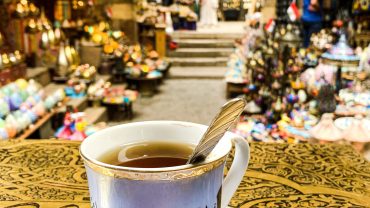
Afternoon: Another excursion or time to watch the riverbank scenery, often with tea or a snack on deck.
Evening: A buffet or set dinner, and entertainment such as live music, a Nubian or folk dance show, or a themed night. On some nights, guests wear traditional galabeyas for a fun costume party, a classic cruise tradition.
Overnight: The boat cruises or moors, and you wake up in the next location.
What’s Usually Included
Packages vary, but commonly include:
Accommodation in a cabin, often with a river view.
Meals, usually breakfast, lunch, and dinner, with drinks often charged separately.
A guide and visits to the main sites on the itinerary.
Transfers between the boat and the sites.
Entrance fees, drinks, tips, and optional extras such as balloon flights are sometimes extra. Read the details carefully and compare packages on what they include, not just on price.
Best Time to Take a Nile Cruise
October to April is the most comfortable season, with warm days and cool evenings. December to February is peak time, so cruises are busier and more expensive.
May to September is very hot, especially in Upper Egypt. Prices can be lower, but sightseeing is best done early in the morning, with a break in the middle of the day.
Shoulder months such as October, November, March, and April can offer a good balance of weather and availability.
How Long Should You Cruise?
3 nights (Aswan to Luxor or reverse): a short, efficient version covering the main temples.
4 nights: the most popular choice, with slightly more relaxed timing.
5 to 7 nights: a slower, deeper itinerary, possibly adding more stops or a longer stay at ports.
Combined trips: Many people pair a Nile cruise with a few days in Cairo, a Red Sea beach stay, or an Abu Simbel visit.
How to Choose the Right Cruise
Check the itinerary. Confirm which sites are included, whether it’s a full or partial Luxor-Aswan route, and how much time you’ll have at each stop.
Compare the boat type. Decide whether you want a large ship, a smaller luxury boat, or a dahabiya.
Read recent reviews. Condition and service levels vary, so look at reviews from the past year or two.
Look at cabin details. Ask about cabin size, river views, air conditioning, and what level of noise to expect near docks and engines.
Understand what’s included. Compare excursions, meals, drinks, and fees across operators.
Check the moorings. Ask whether your boat is likely to moor beside others and what that means for access.
Book through reputable operators. Use licensed agencies and confirm cancellation and refund terms.
Plan for flexibility. Water levels, schedules, and weather can sometimes affect timing, so allow for small changes.
Tips for Cruisers
Pack light layers. Mornings and evenings on deck can be cool, even when days are hot.
Bring sun protection. A hat, sunglasses, and sunscreen are essential on the sun deck and at open-air sites.
Wear comfortable shoes. Temple visits involve walking on uneven stone.
Carry small notes for tips and small purchases. Ask your cruise staff for current tipping guidance.
Be ready for early starts. Many excursions begin at dawn to beat the heat and crowds.
Take motion and mosquito precautions if needed. The river is usually calm, but some people prefer to be prepared, and evenings near water can attract insects.
Check your health and travel documents. Bring your passport, any needed visas, and travel insurance, and ask a healthcare professional about any travel health advice.
Dress modestly at religious and local sites.
Respect the river. Avoid littering, and don’t buy products made from protected wildlife.
Is a Nile Cruise Worth It?
Many travelers say yes, for several reasons. It’s comfortable, convenient, and hassle-free, and it offers a view of Egypt that you simply can’t get from a road or a train. The slow pace, the scenery, and the sense of following the same route ancient travelers took make it feel special.
It may be less suitable if you want maximum independence, prefer to explore on your own timetable, or dislike group schedules. In that case, you can still use trains, flights, and private drivers between Luxor and Aswan, and take a felucca ride for a taste of the river.
Final Thoughts
A Nile cruise combines history and relaxation in a way few journeys can. You can spend your days among the temples of the pharaohs and your evenings watching the sun set over the palms, all while the river carries you quietly south. If you’re building your Egypt bucket list, this is the experience that ties it all together.
Explore exciting tours and unforgettable Red Sea adventures.
View Tours & Excursions →
Find your dream property by the Red Sea with flexible installments.
Explore Properties →

Comment (0)