

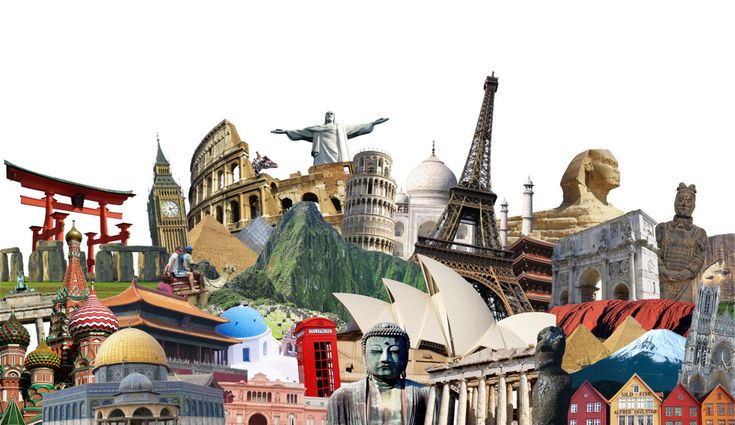

Understanding Cultural Tourism
Cultural tourism is defined as a form of tourism that focuses on the cultural heritage of a destination, encompassing its historical sites, art, music, cuisine, and traditions. This type of tourism aims to offer visitors an immersive experience, allowing them to engage with the local culture and traditions in a meaningful way. In today’s global society, cultural tourism has gained significant importance as travelers increasingly seek deeper connections with the places they visit. Unlike adventure or nature tourism, which often prioritizes physical activities and natural landscapes, cultural tourism emphasizes human experiences, offering insights into the lives, customs, and history of various communities.
The motivations driving tourists to engage in cultural experiences are diverse. Many seek to educate themselves by participating in local traditions, attending festivals, or visiting museums and historical landmarks. Others may pursue cultural tourism as a means of personal enrichment, looking for experiences that challenge their perspectives or provide them with a greater understanding of the world. This growing interest in cultural experiences has significant implications for the tourism industry and local economies.
Additionally, cultural tourism can serve as a vehicle for preserving unique cultural and historical practices. As tourists flock to cultural destinations, local governments and communities are often incentivized to maintain and protect their cultural heritage. This can lead to an increase in funding and support for preservation efforts, allowing traditional arts, crafts, and customs to thrive and endure. Moreover, the economic impact of cultural tourism can be profound; it generates jobs, stimulates local businesses, and fosters international connections that contribute to a community’s overall development. Therefore, understanding cultural tourism is essential as it plays a crucial role not only in enriching the travel experience but also in promoting economic vitality and safeguarding cultural identity globally.
Key Destinations for Cultural Tourism
Cultural tourism offers an exceptional opportunity to immerse oneself in the traditions, art, and history of various regions worldwide. Each destination uniquely embodies its cultural heritage, making it an enticing prospect for travelers seeking educational and enriching experiences. Three such notable cities are Paris, Kyoto, and Marrakech, each well-regarded for their vibrant cultural attractions.
Paris, known as the “City of Light,” is famed for its artistic legacy. This metropolis boasts iconic museums such as the Louvre, which houses masterpiece works including the Mona Lisa, and the Musée d’Orsay, celebrated for its extensive collection of Impressionist art. Beyond museums, Paris is alive with historical landmarks like the Eiffel Tower and the Notre-Dame Cathedral, both of which speak volumes of the city’s illustrious past. Coupled with events like the Nuit Blanche, an exciting all-night arts festival, it is a place where art and history beautifully converge.
Kyoto stands as a testament to Japan’s long-standing traditions and heritage. Once the imperial capital, this city showcases stunning temples such as Kinkaku-ji, the Golden Pavilion, alongside traditional wooden houses known as machiya. The annual Aoi Matsuri festival, celebrated in May, offers visitors a glimpse into the rituals and customs of ancient Japan, making it a cultural experience not to be missed. Kyoto’s rich culinary scene, including kaiseki dining, further enhances its stature as a pivotal point for cultural tourism.
Meanwhile, Marrakech, a colorful city nestled in Morocco, attracts cultural enthusiasts with its vibrant souks and historical sites like the Koutoubia Mosque. The city’s medina, a UNESCO World Heritage site, is a sensory feast, resonating with the sounds, sights, and aromas of local life. The Marrakech International Film Festival, along with traditional music and dance performances, underscores the city’s commitment to celebrating its diverse cultural expressions.
Engaging with Local Cultures
Cultural tourism offers an exceptional opportunity for travelers to engage closely with local cultures, deepening their understanding of different traditions and lifestyles. One of the most effective ways to achieve authentic cultural engagement is by participating in local traditions. Tourists are encouraged to attend festivals, ceremonies, or events that are integral to the community. These interactions not only provide insight into the local way of life but also foster connection and appreciation between visitors and residents.
Workshops can serve as another valuable avenue for engagement. Many artisans and skilled craftsmen offer classes or demonstrations that allow tourists to learn about local crafts, art forms, and culinary practices. By participating in these activities, visitors can gain hands-on experience and a deeper appreciation of cultural heritage while directly supporting local artisans. This exchange enhances the exploration of culture in a meaningful manner, allowing tourists to take home not just memories, but also skills and knowledge.
Responsible tourism plays a pivotal role in how travelers interact with different cultures. Tourists must approach their experiences with respect and sensitivity, ensuring that they honor local customs and traditions. Ethical considerations include understanding the impact of their presence on local communities and striving to leave a positive footprint. Participants should be mindful of their contributions to economic sustainability by supporting artisans and local businesses rather than large corporations.
Respectful engagement with local cultures can lead to enriching experiences for both tourists and locals. When travelers prioritize ethical considerations, they open the door to genuine connections and learning opportunities that transcend mere sightseeing. By valuing and engaging with the intricacies of local traditions, tourists enrich their travel experiences while fostering mutual respect and understanding across cultures.
Future Trends in Cultural Tourism
The landscape of cultural tourism is evolving rapidly, driven by the rise of technology and changing consumer preferences. One of the most notable trends in this sector is the increasing popularity of virtual tourism. Virtual experiences allow travelers to explore museums, historical sites, and cultural festivals from the comfort of their homes, creating an accessible platform for people who may not have the ability or resources to travel physically. This trend not only serves to broaden the engagement of cultural heritage but also raises questions about the impact of immersive technologies, such as augmented and virtual reality, on traditional forms of cultural interaction.
Social media platforms play a pivotal role in influencing travel decisions, allowing travelers to showcase their experiences and seek inspiration from curated feeds. The Instagram effect, for instance, can lead to a surge in visitors to destinations highlighted in popular posts, thereby shaping the behavior of tourists towards more visually compelling and culturally rich locations. This trend reflects a shift in the tourist profile, where aesthetic and cultural significance plays a crucial role in destination selection.
Furthermore, as the world emerges from the challenges posed by the COVID-19 pandemic, there is a noticeable shift towards more sustainable and immersive cultural experiences. Travelers are increasingly seeking meaningful connections with local communities, prioritizing authentic experiences over traditional sightseeing. This inclination towards cultural engagement underscores a collective desire for understanding and appreciation of diverse traditions and practices. Future cultural tourism endeavors are likely to be aligned with local sustainability goals, focusing on community involvement and the preservation of heritage.
The future of cultural tourism appears bright, characterized by a blend of technological innovation and an enduring appreciation for the richness of cultural expressions worldwide. As the dynamics of travel continue to change, the industry must adapt, ensuring that cultural heritage is preserved and promoted in ways that resonate with the evolving expectations of travelers.
Start Your Cultural Adventure Today – Explore Art, History & Traditions Around the World! Explore, Learn, and Connect – Dive into the World of Cultural Tourism!
0 Comment