

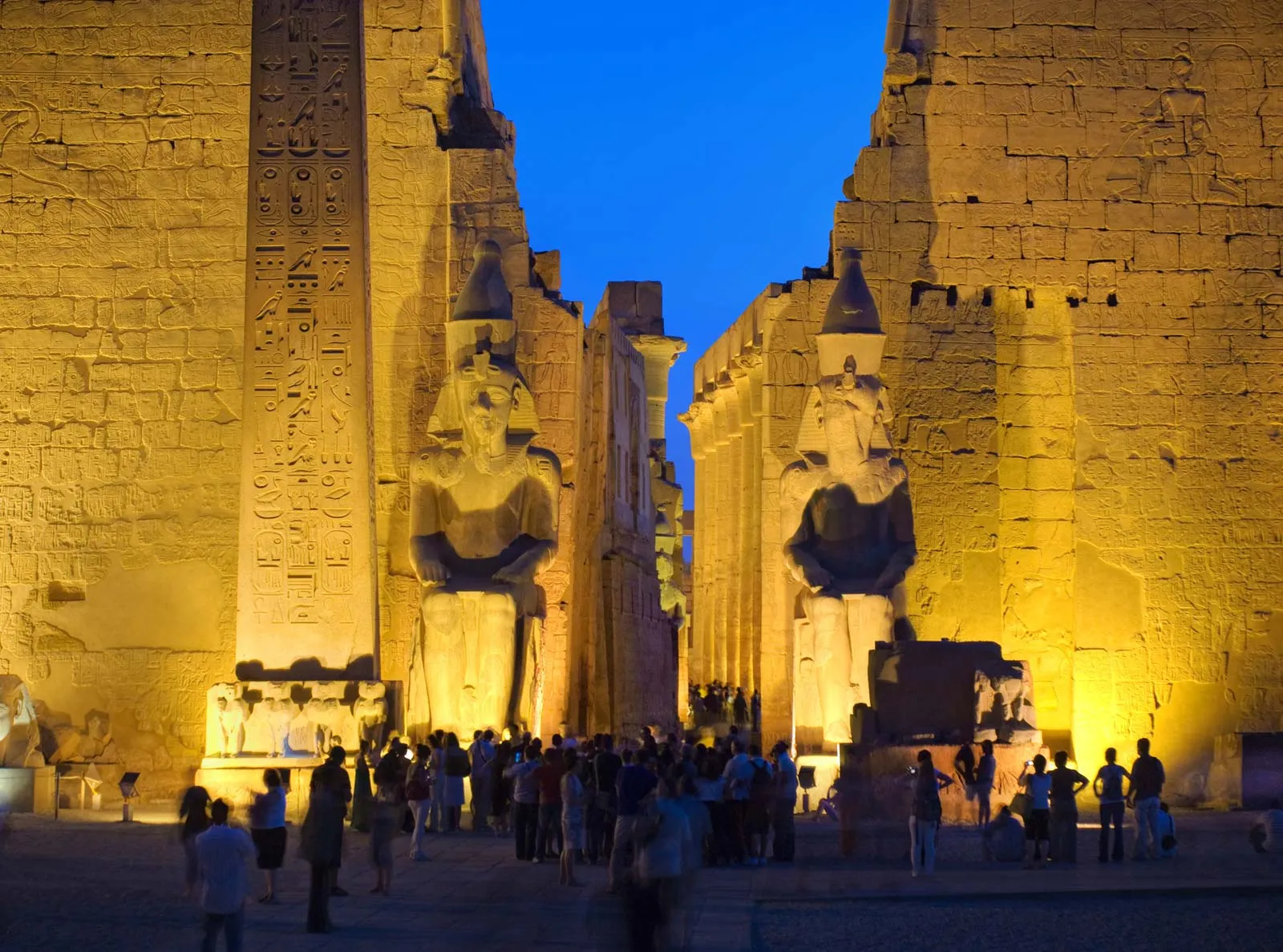

Pyramids of Giza – One of the Most Famous Places to Visit in Egypt
Among the most famous places to visit in Egypt are the iconic Pyramids of Giza, a monumental testament to the ingenuity of ancient Egyptian civilization. Located on the Giza Plateau, these remarkable structures are among the most recognizable landmarks in the world, continuing to amaze historians, architects, and travelers alike. Built during the Fourth Dynasty of the Old Kingdom, the complex includes the Great Pyramid of Khufu, the Pyramid of Khafre, and the Pyramid of Menkaure, each constructed as a grand tomb for its pharaoh.
The Great Pyramid of Khufu, the largest of the three, was originally built to reach approximately 146.6 meters in height, showcasing advanced engineering techniques that are still not entirely understood today. It is estimated that over 2 million limestone blocks were used in its construction, a feat that raises questions about the methods and workforce utilized in its building. The precision with which these massive stones were cut and placed has led to numerous theories and debates among archaeologists and historians, further adding to the mysteries of the construction process.
Alongside the pyramids, the Great Sphinx of Giza adds to the historical allure of the area. This limestone statue, with a lion’s body and a human head, is believed to represent Pharaoh Khafre and is a significant figure in ancient Egyptian mythology. The imposing presence of the Sphinx complements the pyramids and serves as a reminder of the grandeur of Egyptian artistry.
For travelers planning to visit the Pyramids of Giza, it is advisable to arrive early to avoid crowds and to ensure ample time to explore the various artifacts and museums nearby. Guided tours can also offer valuable insights into the rich history and significance of these wonders, enhancing the overall experience. In doing so, visitors can truly appreciate the historical significance of these ancient marvels and the civilizations that constructed them.
Karnak Temple – A Must-See Place to Visit in Egypt
The Temple of Karnak, located in Luxor, is one of the must-see places to visit in Egypt. This monumental complex stands as a testament to the grandeur of ancient Egyptian architecture and religious practices. As one of the largest religious sites in the world, covering over 100 hectares, the Temple of Karnak is a top highlight among places to visit in Egypt. Dedicated primarily to the worship of the sun god Amun-Ra, it showcases an impressive array of columns, obelisks, and intricately carved sculptures that reflect the artistic prowess of ancient Egyptians. Travelers exploring the best places to visit in Egypt should not miss this iconic site.
Construction of the Temple of Karnak began during the Middle Kingdom and continued over a span of about 2000 years, involving various pharaohs who contributed to its expansion and embellishment. One of the most striking features of this complex is the Hypostyle Hall, which is adorned with 134 massive columns, each towering up to 23 meters. These columns are intricately decorated with hieroglyphs and reliefs that narrate ancient myths and the achievements of the pharaohs.
Karnak held significant importance in ancient Egyptian worship, serving as a center for religious festivals such as the Opet Festival, which celebrated the annual flooding of the Nile and the fertility it brought. During this festival, statues of Amun-Ra were paraded between Karnak and the Luxor Temple, demonstrating the profound cultural and spiritual connection between the two sites.
The best times to visit the Temple of Karnak are during the early morning or late afternoon when the light enhances the beauty of the stone carvings and the overall atmosphere is captivating. Visitors should not miss the Sacred Lake, the Avenue of Sphinxes leading to Luxor, and the incredible sights within the Main Temple of Amun.
Luxor and the Valley of the Kings – Top Places to Visit in Egypt
Luxor, often referred to as the world’s greatest open-air museum, is one of the top places to visit in Egypt and holds immense significance in ancient Egyptian history and mythology. This remarkable city, situated on the east bank of the Nile River, was once the thriving capital of ancient Egypt—Thebes. The Valley of the Kings, located across the river, is a must-see site among places to visit in Egypt, serving as the final resting place for many of Egypt’s most powerful pharaohs, including Tutankhamun and Ramses II. This area is renowned not only for its royal tombs but also for the intricate wall paintings and inscriptions that narrate the deceased’s journey to the afterlife, making it a key highlight for travelers exploring places to visit in Egypt.
To truly appreciate the significance of Luxor and the Valley of the Kings, one of the must-see places to visit in Egypt, it is advisable to allocate ample time for exploration. Guided tours of Luxor and other top places to visit in Egypt can enhance the experience, providing insights into the rich legends and historical context behind each site. Additionally, consider visiting the Temple of Karnak, one of the largest religious complexes in the world, and the nearby Temple of Hatshepsut, both key highlights among places to visit in Egypt. Make sure to plan your visit during cooler months, preferably between October and April, to make the most of your journey exploring the best places to visit in Egypt’s captivating historical region.
To truly appreciate the significance of Luxor and the Valley of the Kings, it is advisable to allocate ample time for exploration. Guided tours can enhance the experience, providing insights into the rich legends and historical context behind each site. Additionally, consider visiting the Temple of Karnak, one of the largest religious complexes in the world, and the nearby Temple of Hatshepsut, dedicated to the female pharaoh. Make sure to plan your visit during cooler months, preferably between October and April, to make the most of your journey through this captivating historical region.
The Nile River – Top Places to Visit in Egypt
The Nile River, often referred to as the lifeblood of Egypt, has played an integral role in shaping the history, culture, and economy of this ancient land. Spanning over 6,650 kilometers, it is widely recognized as the longest river in the world, flowing through 11 countries before it finally reaches the Mediterranean Sea. For millennia, the Nile has not only provided water to sustain agriculture but has also served as a vital transport route and a source of inspiration for literature and art.
Traveling along the Nile presents a unique opportunity to experience Egyptian culture intimately. River cruises are among the most popular ways to explore this historic waterway. Aboard a comfortable cruise ship, travelers can witness breathtaking views of terraced farms, ancient temples, and lush banks, transforming an ordinary journey into an extraordinary adventure. Additionally, feluccas, traditional sailing boats, offer an intimate and tranquil experience, allowing visitors to immerse themselves in the serene beauty of the river while enjoying the gentle breeze.
The majestic Nile is also lined with vibrant local markets and cultural experiences. Visitors can engage with local merchants in bustling souks, sampling authentic culinary delights, including traditional Egyptian dishes such as koshari and ta’ameya. These markets present not just a chance to taste the region’s flavors but also an opportunity to purchase handcrafted goods and souvenirs that capture the essence of Egyptian craftsmanship.
From the picturesque landscapes to the rich cultural interactions, a journey along the Nile River is a must for anyone looking to understand the heart and soul of Egypt. This flowing artery of life continues to inspire and enchant all who traverse its remarkable banks.
Abu Simbel Temples – Top Places to Visit in Egypt
The Abu Simbel Temples, carved out of solid rock, stand as a testament to ancient Egypt’s architectural prowess and the reign of Pharaoh Ramses II, who commissioned their construction in the 13th century BC. These magnificent structures are located in southern Egypt, near the border with Sudan, and are a UNESCO World Heritage Site, drawing thousands of visitors each year who are eager to witness their grandeur.
There are two temples at the site: the larger temple dedicated to Ramses II himself and a smaller one dedicated to his queen, Nefertari. The main temple, adorned with four colossal statues of the pharaoh, showcases intricate carvings and hieroglyphics depicting his numerous victories and divine associations. The smaller temple is equally impressive, featuring striking reliefs that celebrate the goddess Hathor, reflecting the significance of feminine divinity in Egyptian culture.
In the 1960s, the construction of the Aswan High Dam threatened to submerge these temples under Lake Nasser. In an extraordinary feat of engineering, UNESCO spearheaded a relocation project that saw the temples dismantled and moved to a higher elevation. This relocation project not only preserved a vital piece of Egypt’s heritage but also exemplified international cooperation in safeguarding cultural sites.
For those planning a visit to Abu Simbel, the temples are best accessed via a flight to Abu Simbel Airport or a road trip from Aswan. Visitors should arrive early in the day to experience the temples before the crowds arrive. It is also advisable to pay attention to the local guides, who provide valuable insights into the history and significance of these ancient monuments, enriching the overall experience. The temples of Abu Simbel are not just architectural wonders; they are emblematic of Egypt’s enduring legacy of culture and history.
The Egyptian Museum: A Gateway to Ancient Egypt
The Egyptian Museum, located in Cairo, is one of the world’s most significant repositories of ancient artifacts, offering a captivating glimpse into Egypt’s rich cultural heritage. Established in 1902, the museum houses an extensive collection of over 120,000 items, with highlights that include the treasures of Tutankhamun, the famous pharaoh whose artifacts have fascinated generations. Visitors can marvel at the intricate gold mask, jewelry, and other burial goods that provide insight into ancient Egyptian burial practices and beliefs surrounding the afterlife.
Upon entering the museum, visitors are greeted with a well-organized layout that facilitates the exploration of various historical periods. Different halls are dedicated to specific themes, ranging from the Old Kingdom to the Greco-Roman period. Notably, the Royal Mummy Room, which showcases the preserved remains of several pharaohs, is an evocative section that draws significant interest from tourists and scholars alike. The museum also features an impressive collection of statues, pottery, and everyday items used by ancient Egyptians, illustrating their daily life and culture.
To enhance the visitor experience, guided tours are often available, providing insightful commentary and context about the artifacts on display. As for practical information, the museum operates daily, with an entrance fee that is quite reasonable considering the wealth of history contained within its walls. Additionally, purchasing a ticket allows access to temporary exhibitions, which often focus on specific themes or periods, thereby enriching the understanding of Egypt’s diverse history.
In conclusion, the Egyptian Museum is not just a place to admire ancient artifacts; it is a vital educational resource that offers profound insights into the life, culture, and beliefs of one of the world’s oldest civilizations. A visit to this museum should undoubtedly be on the itinerary of anyone traveling to Egypt.
7. Siwa Oasis
Siwa Oasis, nestled in the Western Desert of Egypt, is renowned for its stunning natural landscapes and rich cultural heritage. This remote oasis offers visitors a unique glimpse into the traditions of the Berber people, who have inhabited this area for centuries. From its palm-laden streets to the vast salt lakes, Siwa is a perfect example of nature’s artistry intertwined with ancient history.
The history of Siwa Oasis is both captivating and mysterious. It has been inhabited since antiquity and was once home to the famous Oracle Temple of Amun, where ancient Egyptians came to seek guidance from the gods. The temple, allegedly visited by Alexander the Great, remains a significant archaeological site today, drawing history enthusiasts eager to learn more about its past.
In addition to the Oracle Temple, visitors must not miss the mesmerizing salt lakes that surround Siwa, which offer breathtaking views particularly at sunset. The unique topography creates a striking landscape where the white salt contrasts vividly with the blue water. Furthermore, the local culture is enriched by traditional practices such as olive oil production and handicrafts, providing travelers with an authentic experience.
When planning a visit to Siwa Oasis, it is essential to consider accommodations that reflect the local charm. Options range from luxurious resorts to traditional guesthouses, many of which offer local cuisine and guided excursions. Activities such as jeep safaris, hiking, and exploring ancient ruins are popular among visitors, ensuring a memorable adventure in this enchanting oasis.
Alexandria’s Historic Sites
Alexandria, a coastal city nestled along the Mediterranean Sea, was founded by none other than Alexander the Great in 331 BC. This historic city is rich in heritage and offers myriad sites that narrate its illustrious past. Among the most notable landmarks are the Catacombs of Kom el Shoqafa, the Citadel of Qaitbay, and the Bibliotheca Alexandrina, each representing a unique facet of Alexandria’s history.
The Catacombs of Kom el Shoqafa, a marvel of ancient engineering, were discovered in the late 19th century. This complex comprises a series of underground tombs dating back to the 2nd century AD, reflecting a blend of Egyptian, Greek, and Roman styles. It serves not only as a burial site but also as a testament to the city’s eclectic cultural influences. Visitors are often captivated by the intricate carvings and the well-preserved artifacts within the tombs, which provide essential insights into the burial practices of the time.
Next, the Citadel of Qaitbay, built in 1477 on the site of the ancient Lighthouse of Alexandria, is another must-visit site. This medieval fortress overlooks the sea and offers panoramic views of the coastline. The citadel played a crucial role in defending the city against external threats and signifies Alexandria’s maritime history. Exploring its imposing walls and towers allows visitors to appreciate the strategic importance of the location throughout various historical periods.
Lastly, the Bibliotheca Alexandrina is a modern homage to the ancient Library of Alexandria, once the largest and most significant library in the ancient world. Inaugurated in 2002, this architectural marvel houses millions of books and is dedicated to the promotion of knowledge and culture. Its stunning design and state-of-the-art facilities have made it a center for scholarly activities and public discourse.
For those planning to explore these sites, early morning or late afternoon visits can help avoid crowds, allowing for a more immersive experience. In addition, guided tours are commonly available to enrich the historical context of each location.
Mount Sinai: A Spiritual Journey
Mount Sinai, also known as Jebel Musa, holds profound significance in both religious and historical contexts, recognized primarily as the biblical site where Moses received the Ten Commandments. This sacred mountain attracts countless pilgrims and travelers each year, eager to embark on a journey that combines both spiritual reflection and stunning natural beauty.
The ascent to the summit can be achieved via two primary routes: the Camel Path and the Steps of Repentance. The Camel Path is a longer, gentler slope that is suitable for most hikers, including families and those less experienced. In contrast, the Steps of Repentance consist of nearly 3,750 stone steps, offering a steeper alternative that appeals to more adventurous climbers. Depending on individual fitness levels and hiking preferences, both routes present an opportunity to connect with the spiritual history of the location.
Upon reaching the summit at 2,285 meters, visitors are rewarded with breathtaking panoramic views of the surrounding landscape. The awe-inspiring sight of the sunrise from the peak is a particularly popular experience, often leaving travelers with a sense of tranquility and reverence. Many climbers take this moment for personal reflection, honoring the spiritual legacy of the mountain. Additionally, small chapels and shrines near the summit provide spaces for prayer and contemplation.
It is advisable for visitors to dress appropriately for the climb and to bring sufficient water and snacks, as the journey can be physically demanding. Guided tours are also available, offering valuable insights into the rich history and significance of Mount Sinai, enhancing the overall visitor experience. Mount Sinai remains an enduring symbol of faith and resilience, beckoning those seeking both adventure and spiritual enlightenment.
The Red Sea Resorts
The Red Sea resorts are renowned for their breathtaking beaches and rich marine biodiversity, making them a prime destination for travelers seeking both relaxation and adventure. Among the most popular resort towns are Sharm El Sheikh and Hurghada, each offering unique experiences framed by the stunning backdrop of the Red Sea.
Sharm El Sheikh is famous not only for its luxurious accommodations but also for its dynamic nightlife and a wide array of activities. Visitors can engage in exhilarating water sports, from scuba diving in coral reefs to windsurfing along the coastline. The underwater world around Sharm El Sheikh is teeming with vibrant marine life, making it a diver’s paradise. For families, the area features numerous kid-friendly resorts equipped with dedicated spaces for children, ensuring a memorable vacation for all ages.
Similarly, Hurghada, once a small fishing village, has evolved into a bustling tourist hub. The city offers an extensive selection of restaurants, shops, and entertainment venues, accommodating various travelers’ preferences. Activities such as snorkeling excursions, desert safari tours, and glass-bottom boat rides provide an exciting way to explore the clear blue waters and the surrounding landscapes. Many resorts in Hurghada cater specifically to families, providing children’s clubs and various family-oriented amenities, making it an ideal choice for parents traveling with young ones.
When planning a visit to the Red Sea resorts, consider the best time to travel. The optimal season runs from October to April, when the weather is mild, perfect for sunbathing and beach activities. It is advisable to book accommodations in advance, especially during peak season, to ensure availability at family-friendly hotels. With their stunning scenery, array of activities, and welcoming atmosphere, the Red Sea resorts offer a quintessential Egyptian vacation experience.
Visit Egypt and explore its top tourist destinations. Book your journey through Egypt’s famous attractions.
0 Comment