
Aswan Travel Guide: Nubian Culture, Nile Views, and Ancient Temples
Aswan is where Egypt slows down. The Nile curves around granite islands, felucca sails drift past golden dunes, and the city’s pace feels far gentler than Cairo or Luxor. It is also one of the richest destinations in the country, with Ancient Egyptian temples, colorful Nubian villages, and the gateway to Abu Simbel. This guide covers what to see, how to plan your days, and how to make the most of your time.
Why Visit Aswan?
Aswan has been important for thousands of years. The ancient Egyptians called it Swenet, and the Greeks knew it as Syene. It sat at Egypt’s southern frontier, a trading post for gold, ivory, and exotic goods from Nubia, and its granite quarries supplied the stone for obelisks, statues, and temples across the country.
Today the city blends several layers:
Ancient history, with temples, quarries, and tombs.
Nubian culture, with its own language, music, architecture, and cuisine.
Natural beauty, where the Nile cuts through rocky islands and desert cliffs.
Top Things to Do in Aswan
1. Visit Philae Temple
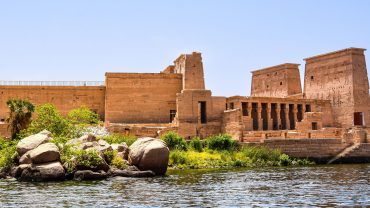
The Temple of Isis at Philae is often called the most romantic temple in Egypt. It was among the last places where the ancient religion was practiced, with worship of Isis continuing here well into the Roman era.
When the Aswan dams threatened to flood the original island, the whole complex was dismantled and rebuilt stone by stone on higher ground at Agilkia Island in an international rescue effort in the 1970s. Visitors reach it by a short boat ride, which is part of the magic. Look for the elegant colonnades, the carved reliefs of Isis and Osiris, and the Kiosk of Trajan on the water’s edge.
Tip: Go early for soft light and fewer crowds, or catch the evening sound and light show if it’s running.
2. Sail a Felucca on the Nile
A traditional felucca is the best way to see Aswan’s landscape. These simple white-sailed boats glide past Elephantine Island, Kitchener’s Island, and the rocky shores, and sunset is the favorite time to go. Agree the route, duration, and price with the captain before boarding.
3. Explore Elephantine Island
Elephantine Island sits in the middle of the river and was once a fortified frontier town. You can wander the ruins of an ancient settlement, visit the small museum, and see the Nilometer, a stone staircase once used to measure the river’s annual flood. The island also has two Nubian villages, which make a pleasant break from the busy city.
4. See the Unfinished Obelisk
In the ancient northern quarries lies a giant obelisk that was abandoned when a crack appeared in the granite. At around 42 meters long, it would have been the largest obelisk ever raised, and it gives a rare view of how the ancient Egyptians cut and shaped stone. You can still see the tool marks left by the workers.
5. Wander Kitchener’s Island Botanical Garden
Once a gift to a British general, this small island is now a lush botanical garden filled with palms and plants from around the world. It’s a calm place to stroll or picnic, and it’s easy to combine with a felucca ride.
6. Visit the Nubian Museum
The Nubian Museum tells the story of Nubian history and culture, from prehistory to the present, with artifacts, statues, and displays about the communities whose lands were flooded when Lake Nasser was created. It’s an excellent way to understand the people whose villages you’ll visit afterward.
7. Climb to the Tombs of the Nobles
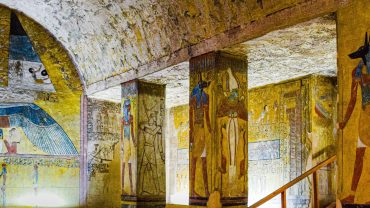
On the west bank at Qubbet el-Hawa, rock-cut tombs of local governors and officials of the Old and Middle Kingdoms overlook the river. The views alone are worth the climb, and the tombs record the lives of men who led expeditions into Nubia and Africa.
8. See the Monastery of St. Simeon
On the west bank desert, this large fortified monastery dates to around the 7th century and was once a major Christian center. Its vaulted rooms and desert setting are atmospheric, and it is often visited together with the Tombs of the Nobles.
9. Stroll the Aswan Corniche and Souk
The riverside Corniche is lovely at sunset, while the old souk offers spices, hibiscus tea, dates, scarves, baskets, and Nubian handicrafts. Bargaining is part of the experience, so stay friendly and relaxed.
Experiencing Nubian Culture
Nubians are among the oldest communities in the Nile Valley, with their own language, music, and traditions. In the 20th century, many Nubian villages were displaced when the Aswan dams and Lake Nasser flooded their ancestral lands, and many families resettled near Aswan.
Today you can visit villages such as Gharb Soheil and Koti, where houses are painted in bright blues, yellows, and pinks, with traditional domed rooms and courtyards. Many visitors take a short boat ride across the river, drink tea with a local family, try henna, or even see the baby crocodiles some families keep as symbols of luck and tradition. Be respectful: ask before taking photos of people, and think about buying crafts or meals directly from families to support the community.
What to Eat in Aswan
Nubian-style dishes such as slow-cooked stews, fresh Nile fish, and grilled meats with spices.
Hibiscus tea (karkadeh), a refreshing deep-red drink served hot or cold.
Egyptian classics like ful, ta’ameya, koshari, and fresh baked bread.
Dates and sweets from local markets.
A relaxed Nubian family meal in a village is a highlight of many trips.
Day Trip: Abu Simbel
About 280 kilometers south of Aswan, near the Sudanese border, stands Abu Simbel, the great rock-cut temples of Ramses II and his queen Nefertari. Four colossal statues of the king guard the entrance, and inside, the walls are covered with scenes of the Battle of Kadesh and religious rituals.
The temples were moved to higher ground in the 1960s to save them from the waters of Lake Nasser, one of the greatest engineering rescues in history. Twice a year, around February 22 and October 22, the sunrise shines deep into the sanctuary.
Most visitors travel from Aswan by early-morning road convoy or by short flight, spending a few hours on site. Check current transport options and times before you book.
Other Temples Near Aswan
If you have extra time, there are more ancient sites around Lake Nasser and along the river:
Temple of Kalabsha: a large Roman-era temple relocated to higher ground near the High Dam.
Kom Ombo: a double temple for Sobek and Horus, north of Aswan, usually visited on the road to Luxor.
Edfu: the impressive Temple of Horus, farther north, often visited by Nile cruise.
The High Dam and Lake Nasser
The Aswan High Dam, completed in 1970, controls the Nile’s flood and generates hydroelectric power, but it also created Lake Nasser, one of the largest man-made lakes in the world. Many visitors stop at the dam for its views and its place in modern Egyptian history. Lake Nasser cruises are a quiet way to reach southern temples.
Best Time to Visit
October to April is the most comfortable season, with warm days and cool evenings. Summers are extremely hot, so if you travel then, plan outdoor activities for early morning and late afternoon, and use the middle of the day for rest, museums, or shaded river time.
How to Get to Aswan
By air: Direct flights connect Aswan with Cairo and some other cities, and the flight from Cairo is short.
By train: Day and overnight trains run along the Nile from Cairo and Luxor, so check current schedules and booking rules.
By road: Buses and private cars link Aswan with Luxor and nearby sites.
By Nile cruise: Many travelers sail between Luxor and Aswan over several nights, stopping at Edfu and Kom Ombo along the way.
How Many Days Do You Need?
2 days: Philae, the Unfinished Obelisk, a felucca ride, and a Nubian village.
3 days: Add Elephantine Island, the Nubian Museum, and the Tombs of the Nobles.
4 days: Add Abu Simbel and some slow time on the river.
Practical Tips
Dress modestly, but light and breathable, with a hat, sunglasses, and sunscreen.
Carry water and some small change for tips and small purchases.
Agree prices for boats and taxis before you set off.
Book Abu Simbel transport and any Nile cruise ahead in busy seasons.
Confirm current opening hours, ticket prices, and transport details with official or trusted local sources, as they change.
Final Thoughts
Aswan rewards people who slow down. Spend a morning at Philae, an afternoon on the river, and an evening over a Nubian meal, and you’ll see why many travelers call it their favorite stop in Egypt. It combines ancient wonders, living culture, and some of the most beautiful Nile scenery in the country.
Explore exciting tours and unforgettable Red Sea adventures.
View Tours & Excursions →
Find your dream property by the Red Sea with flexible installments.
Explore Properties →
Comment (0)