

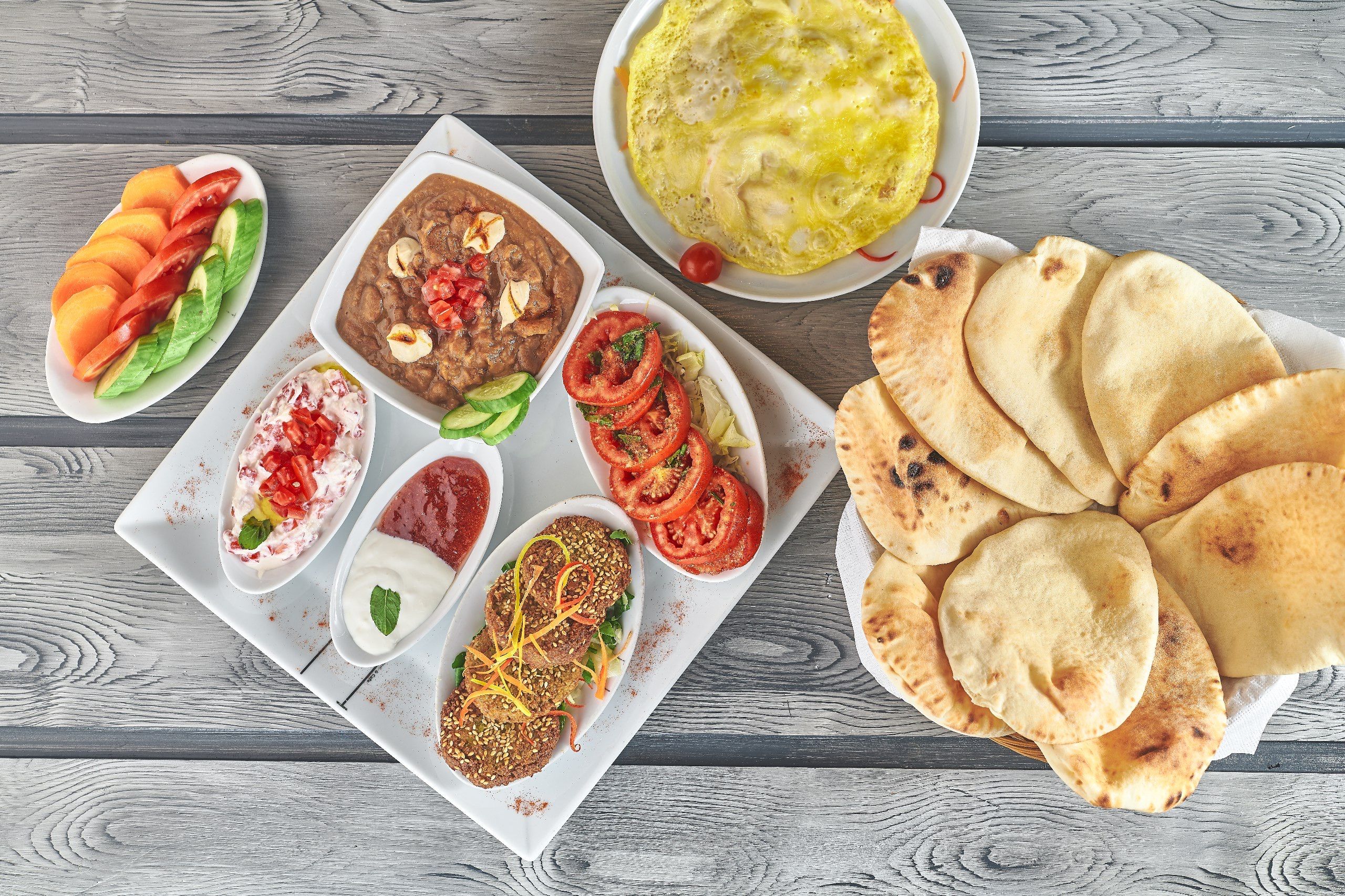

Introduction to Egyptian Cuisine
Egyptian cuisine is a vibrant reflection of the country’s long-standing history and diverse cultural influences. With a culinary heritage spanning thousands of years, it encompasses a myriad of flavors, techniques, and ingredients that offer a true taste of Egypt. The rich tapestry of Egyptian food is not merely about sustenance; it is an integral part of cultural identity and social life.</p>
The historical context of Egyptian cuisine is influenced by various civilizations, including the ancient Egyptians, Greeks, Romans, Arabs, Turks, and French, each contributing their unique elements. For instance, the introduction of spices by Arab merchants significantly enriched the flavor profiles of traditional dishes. Additionally, local agricultural practices, which are inextricably linked to the Nile River, have played a crucial role in shaping the ingredients commonly used in Egyptian cooking. Staples such as rice, lentils, fava beans, and various vegetables form the backbone of many Egyptian meals.</p>
Food in Egyptian culture serves both functional and celebratory purposes. Traditional dishes are often the centerpiece of daily meals, reflecting the family’s heritage and regional flavors. Come festive occasions, food takes on even greater significance, as elaborate feasts are prepared to mark celebrations, religious holidays, and social gatherings. This communal aspect of dining fosters connections and reaffirms the importance of family and friendship within Egyptian society.</p>
Furthermore, elements of hospitality are paramount in Egyptian culture, where sharing food symbolizes generosity and warmth. It is not uncommon for guests to be treated to a wide array of dishes, highlighting the variety and richness of Egyptian cuisine. As one explores the culinary landscape of this remarkable nation, it becomes evident that each dish tells a story, embodying the spirit and history of the people who create and enjoy it.</p>
Koshari: The National Dish
Koshari stands out as one of the most beloved dishes in Egypt, earning its reputation as the national dish due to its widespread popularity and cultural significance. This hearty meal is a delightful mix of flavors and textures, primarily composed of lentils, rice, pasta, and chickpeas, making it a nutritious and filling option for many. Each component plays a vital role in contributing to the dish’s overall character, allowing it to cater to diverse palates.
The base of Koshari includes a blend of rice and lentils, which provides a solid foundation. This combination is typically accompanied by small pasta, such as macaroni or spaghetti, creating a unique blend of carbohydrates. The addition of chickpeas further enhances the dish, offering a protein-rich element that complements the other ingredients beautifully. Koshari is often topped with a spicy tomato sauce, which adds a satisfying heat and depth of flavor. Fried onions are also a key garnish, providing a crispy texture that contrasts with the softer components of the dish.
Beyond its delicious taste, Koshari is deeply ingrained in Egyptian culture. It is commonly found in both street food stalls and upscale restaurants, reflecting its universal appeal among different social classes. Many Egyptians enjoy Koshari not only for its flavors but also for its filling qualities, making it an excellent choice for a midday meal. This dish is a staple at gatherings and celebrations, symbolizing community and togetherness. Whether served at a local eatery or homemade, Koshari embodies the essence of Egyptian cuisine, reflecting the rich culinary heritage of the region. In conclusion, Koshari represents more than just a meal; it encapsulates a significant element of Egypt’s culinary identity.
Fatta: A Festive Favorite
Fatta, a beloved traditional dish in Egypt, is particularly cherished during festive gatherings and special occasions. This elaborate dish showcases a delightful combination of tender meat, fragrant rice, and a tangy garlic vinegar sauce, creating a symphony of flavors that captures the essence of Egyptian culinary heritage.
The main ingredients that characterize fatta include succulent pieces of beef, lamb, or chicken, which are typically boiled until perfectly tender. The cooking process often involves spices and herbs that enhance the meat’s natural flavors, making it a star attraction on the dining table. The rice component is cooked separately but complements the meat beautifully, adopting the savory notes from the broth in which the meat has simmered.
A distinctive feature of fatta is the accompanying garlic vinegar sauce made from minced garlic, vinegar, and sometimes a hint of chili. This recipe not only provides a sharp contrast to the richness of the meat and rice but also embodies the bold flavors prevalent in Egyptian cuisine. The sauce is drizzled generously over the dish right before serving, allowing each component to absorb the vibrant taste.
Fatta is more than just a meal; it represents a cultural tradition. It is often prepared during significant celebrations such as Eid al-Adha, weddings, and family gatherings, symbolizing abundance and joy. The communal aspect of sharing fatta adds to its appeal, making it a centerpiece around which families and friends gather to enjoy and create lasting memories.
In summary, fatta stands out as a festive favorite in Egyptian cuisine. Its unique blend of ingredients and historical significance make it a must-try dish for anyone looking to explore the rich culinary landscape of Hurghada and beyond.
Mahshi: Stuffed Vegetables
Mahshi, a beloved Egyptian dish, consists of a variety of vegetables such as zucchini, bell peppers, and eggplants that are skillfully stuffed with a flavorful mixture of rice, spices, and occasionally minced meat. This culinary delight showcases the rich agricultural heritage of Egypt, utilizing the diverse produce available within the region. The dish is often seasoned with herbs like dill or coriander, which enhance its appeal and ensure a burst of flavor in every bite.
Variations of Mahshi can be found throughout Egypt, with each region putting its unique twist on this classic dish. For instance, in some areas, the stuffing may include pine nuts or raisins, adding a touch of sweetness and texture to the overall dish. The rice base might be cooked with a mixture of spices such as cinnamon and allspice, introducing distinct flavor profiles that vary from one locality to another.
The method of preparing Mahshi also varies regionally. In coastal areas, seafood may be incorporated into the stuffing, while inland preparations may lean towards more robust, earthy flavors through the use of local spices and ingredients. This adaptability makes Mahshi not only a staple but also a representative dish of Egypt’s diverse cultural and culinary landscape. Furthermore, the presentation of Mahshi can differ; for example, it may be served on a bed of stewed tomato sauce or alongside a refreshing yogurt dip, enhancing its flavor and appeal.
Mahshi is traditionally enjoyed during family gatherings and celebrations, making it a dish that embodies the spirit of sharing and togetherness. Whether being prepared in a simple home kitchen or lavishly presented at a festive banquet, Mahshi continues to be a cherished choice among the Egyptian populace, symbolizing the rich flavors and traditions of the country’s gastronomy.
Falafel: The Popular Street Food
Falafel serves as one of the quintessential street foods in Egypt, admired for its rich flavor and satisfying texture. Traditionally made from crushed fava beans or, in some variations, chickpeas, this iconic dish has gained immense popularity not only in Egypt but across the globe. Characteristically round and deep-fried to perfection, falafel balls are crispy on the outside while remaining tender on the inside.
The preparation of falafel involves soaking the fava beans or chickpeas before grinding them with an array of spices, garlic, and herbs like coriander or parsley. This mixture is then shaped into small balls or patties before being fried until golden brown. Street vendors often boast their own secret spice blend, contributing to the unique flavor that can vary from one vendor to another.
Falafel is usually served in a pita bread, accompanied by fresh vegetables such as tomatoes, cucumbers, and pickles, along with creamy tahini sauce or spicy chili sauce. This combination not only enhances the taste but also makes falafel a fulfilling meal option. In Egyptian fast food culture, falafel is often enjoyed as a quick and affordable snack, making it a popular choice for those on the go.
Moreover, falafel is a beloved dish among vegetarians and vegans due to its plant-based ingredients, making it a versatile option in an expanding range of dietary preferences. Different regions may add their own twist to the classic recipe, but falafel remains a staple in Egyptian cuisine. Whether enjoyed as a grab-and-go snack or as part of a leisurely meal, falafel exemplifies the flavorful and diverse culinary landscape of Hurghada and beyond.
Molokhia: The Traditional Green Soup
Molokhia, a traditional dish originating from Egypt, is a flavorful green soup derived from the leaves of the Jute plant. This aromatic concoction is renowned for its unique taste and numerous health benefits, making it a staple in Egyptian cuisine. The preparation of Molokhia typically involves simmering finely chopped leaves in broth, commonly made from chicken or beef, along with spices such as garlic and coriander to enhance its rich flavor.
One of the significant health advantages of Molokhia is its high nutritional value. The Jute leaves are packed with essential vitamins and minerals, including Vitamin A, Vitamin C, and calcium. These nutrients promote overall wellness, contribute to healthy skin, and can support the immune system. Furthermore, Molokhia is low in calories, making it a suitable option for those seeking lighter meal alternatives without compromising on taste.
Traditionally, Molokhia is consumed as a soup, yet it can be versatile in its serving methods. It is often paired with rice or flatbreads to create a more filling dish. Meat, particularly chicken or rabbit, commonly accompanies this soup, resulting in a harmonious blend of flavors. The combination of savory broth with tender meat enhances the overall culinary experience, fostering a perfect balance of textures and tastes.
In various regions of Egypt, preparation and serving methods may differ slightly, showcasing each area’s uniqueness and culinary traditions. Molokhia is not just a dish; it is part of a cultural heritage, celebrated during family gatherings and special occasions. For anyone seeking to explore the culinary delights of Hurghada, Molokhia is an essential dish that encapsulates the essence of Egyptian food and tradition.
Hawawshi: The Egyptian Burger
Hawawshi is a beloved Egyptian dish that has earned the nickname “the Egyptian burger” for its hearty and satisfying nature. This traditional delicacy features a combination of seasoned ground meat, typically beef or lamb, encased in a freshly baked bread. The origins of Hawawshi can be traced back to the streets of Cairo, where it originated as a popular street food, appealing to both locals and tourists alike.
The preparation of Hawawshi is a meticulous process. The meat is usually mixed with a variety of spices, including garlic, chili, and herbs, which infuse it with a rich and complex flavor. This mixture is then generously stuffed between two layers of dough, creating a pocket that is baked until golden and crisp. The result is a mouthwatering dish that is not only filling but also packed with flavor.
Hawawshi has gained immense popularity in local eateries, where chefs put their unique twist on the traditional recipe. Variations may include add-ons such as cheese or vegetables, offering additional textures and tastes. Many food stalls and restaurants in Hurghada serve this dish, making it a must-try for anyone visiting the city. Its affordability and deliciousness contribute to its status as a favorite among both locals and tourists.
In Hurghada, you can find Hawawshi served in numerous dining establishments, each vying to provide the best version of this iconic dish. Those who indulge in this culinary delight will appreciate not only the rich flavors but also the sense of community that comes from enjoying traditional food with friends and family. The experience of savoring Hawawshi is not just about taste; it embodies the spirit of Egyptian culinary culture. Whether enjoyed as a quick street snack or a hearty meal, Hawawshi continues to hold a cherished place in the hearts of those who savor it.
Tahini: A Versatile Sauce
Tahini, a creamy paste made from ground sesame seeds, holds a significant place in Egyptian cuisine. Its distinct, nutty flavor serves as a base for various dishes, enhancing meals with its rich texture and nutritional benefits. Often enjoyed as a dip or a dressing, tahini is a versatile ingredient that complements a diverse range of dishes, making it a staple in many households.
In Egyptian cooking, tahini is not just an accompaniment; it is an integral part of several traditional recipes. One of the most popular ways to enjoy tahini is by mixing it with lemon juice, garlic, and water to create a smooth and flavorful dip. This tahini sauce pairs well with fresh vegetables, grilled meats, and even pita bread, making it a favorite among locals and visitors alike.
The nutritional properties of tahini are noteworthy, as it is rich in vitamins and minerals. It provides a good source of healthy fats, protein, and essential amino acids. Additionally, tahini contains calcium, iron, magnesium, and B vitamins, contributing to a balanced diet. The health benefits of incorporating tahini into meals include improved bone health and cardiovascular benefits, making it not only a delicious choice but also a nutritious one.
Traditional dishes that feature tahini include the beloved “tahini salad,” often made with chopped vegetables and drizzled with tahini dressing. Another classic is “halva,” a sweet treat made from tahini and sugar, highlighting the versatility of this ingredient in both savory and sweet culinary applications. Furthermore, tahini is frequently utilized in symbolic dishes during Egyptian festivities, illustrating its cultural significance.
Incorporating tahini into your cooking opens up a world of flavor and health benefits, making it an essential component of Egyptian cuisine. With its ability to enhance both taste and nutrition, tahini’s role in traditional recipes continues to be celebrated throughout the region.
Desserts: Egyptian Sweets to Savor
Egyptian cuisine is renowned for its savory dishes, but the desserts are equally compelling, showcasing a rich blend of flavors and textures that reflect the country’s diverse culinary heritage. Among the many delightful sweets, Basbousa and Kunafa stand out as must-try delicacies for anyone visiting Hurghada.
Basbousa, also known as Hareeseh or Revani, is a semolina-based cake that is sweetened with sugar syrup, often flavored with rose or orange blossom water. The preparation begins with semolina, sugar, yogurt, and baking powder, which are mixed together to form a batter. Some variations include the addition of desiccated coconut or nuts for added texture. Once baked to a golden brown, the hot cake is soaked in syrup, which gives it a moist and tender quality. This dessert is popular for celebrations and gatherings, symbolizing hospitality and warmth.
Another quintessential Egyptian sweet is Kunafa, a dessert made from thin noodle-like pastry. This dish is often filled with a variety of ingredients, such as cream, nuts, or cheese, making it incredibly versatile. The preparation of Kunafa involves layering the pastry with a filling, which is then baked until crispy and golden. Once removed from the oven, it is drenched in a syrup similar to that used for Basbousa, enhancing its aromatic profile. Kunafa is traditionally served during Ramadan and special occasions, illustrating its significance in Egyptian culture.
To fully appreciate the culinary traditions of Egypt, indulging in these desserts is essential when in Hurghada. They not only tantalize the taste buds but also offer a glimpse into the country’s history and the blending of influences that have shaped its cuisine. Be sure to seek out local eateries where you can savor these sweet treats, each bite telling a story of the rich heritage of Egyptian sweets.
Discover exciting tours, excursions, and Red Sea adventures.
Find your dream property by the Red Sea with flexible installments.
Explore Properties →
0 Comment