

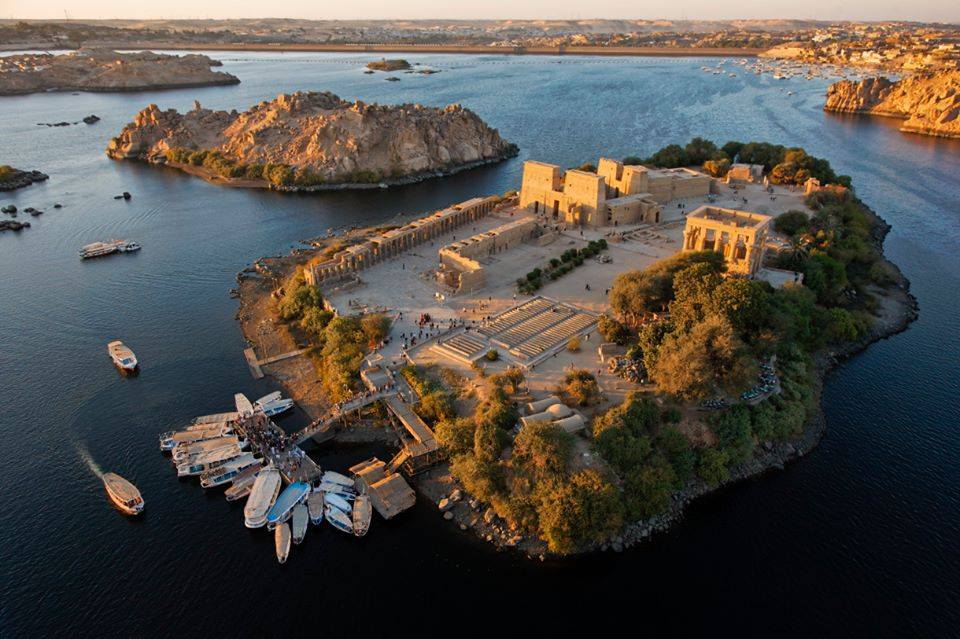

Introduction to Bucket List Tourist Attractions
A bucket list is a collection of experiences and achievements that one hopes to accomplish during their lifetime. It serves as a motivational tool, encouraging individuals to seek out unforgettable moments. Among these experiences, visiting iconic tourist attractions plays a pivotal role. These sites not only represent cultural and historical significance but also offer unique opportunities for adventure and personal growth. Travelers often find that planning visits to such destinations heightens their anticipation and enhances their overall journey.
Tourist attractions become memorable for more than just their stunning vistas; they encapsulate stories and emotions that resonate long after the visit. For instance, standing before the majestic Eiffel Tower in Paris or exploring the ancient ruins of Machu Picchu in Peru creates a profound connection with the surroundings. These experiences often evoke a sense of wonder and curiosity, allowing travelers to delve deeper into the culture and heritage of the location.
Moreover, iconic attractions often serve as a gateway to understanding a region’s history and traditions. By visiting these sites, travelers are not merely sightseeing; they are engaging with the legacy of the people and events that shaped the world around them. Such interactions can lead to transformative experiences, providing insights that may influence one’s worldview.
In addition to their cultural and historical significance, these attractions are also known for the sense of adventure they inspire. Whether navigating through the bustling streets of Tokyo or hiking up the picturesque trails of Table Mountain in South Africa, each adventure adds a unique chapter to one’s travel narrative. Ultimately, each destination on a bucket list has the power to create lasting memories, enriching the traveler’s life through new experiences.
How to Choose the Best Tourist Attractions for Your Bucket List
The Seven Wonders of the World serve as a testament to the ingenuity and resilience of human civilization. These magnificent structures, both ancient and modern, not only showcase remarkable architectural feats but also embody rich cultural histories. Among the ancient wonders, the Great Pyramid of Giza stands out as the last remaining structure from the original list. This monumental tomb, built around 2580–2560 BC, reflects the extraordinary engineering skills of the ancient Egyptians and their beliefs in the afterlife.
In contrast, the modern wonders, such as Machu Picchu, offer insight into the Incas’ sophisticated agricultural techniques and their spiritual connection to the Andes Mountains. Located high in the Peruvian Andes, Machu Picchu is a remarkable archaeological site that attracts numerous visitors who are eager to witness its stunning terraced landscapes and intricate stone construction, which are considered a feat by any architectural standard.
When visiting these wonders, it is essential to plan your trip around the peak seasons to avoid crowds while still enjoying the sites fully. For instance, the Great Wall of China offers various access points, with the Mutianyu section being less crowded and equally breathtaking compared to the more tourist-heavy Badaling section. Similarly, when exploring Machu Picchu, consider an early morning visit to experience the tranquility of the site at dawn, which significantly enhances the experience.
In addition to timing your visit wisely, it is advisable to engage in guided tours that provide context and historical significance, enriching your understanding of these wonders. Each site continues to inspire millions through their architectural brilliance, cultural heritage, and awe-inspiring beauty, solidifying their positions as must-visit destinations on any traveler’s bucket list.
Natural Attractions That Will Take Your Breath Away
There are several natural attractions around the world that not only offer stunning views but also provide unique experiences that should not be missed. Among these, the Grand Canyon, the Great Barrier Reef, and the Northern Lights stand out for their breathtaking beauty and significance.
The Grand Canyon, located in Arizona, USA, is a UNESCO World Heritage site famed for its immense size and intricate landscapes. This natural wonder spans over 277 miles and reaches depths of over a mile. Visiting the Grand Canyon offers numerous activities, such as hiking along the Rim Trail or exploring the Colorado River through guided rafting tours. The best times to visit are during the spring and fall when the weather is milder, and the crowds are fewer. The preservation of this iconic site is crucial as it faces challenges from environmental changes and tourism impact.
Moving to the vibrant underwater world, the Great Barrier Reef in Australia is the largest coral reef system in the world and a marvel of biodiversity. Comprising over 2,900 individual reefs and 900 islands, it provides a habitat for numerous marine species. Snorkeling and scuba diving are popular activities in this UNESCO World Heritage site, with opportunities to encounter sea turtles, dolphins, and colorful coral gardens. The optimal times for visiting the Great Barrier Reef are from June to November, as the weather is typically clear and mild. Conservation efforts are increasingly important due to climate change and coral bleaching threatening this ecological treasure.
Lastly, the Northern Lights, also known as Aurora Borealis, present a mesmerizing natural spectacle in polar regions, particularly in countries like Norway, Canada, and Iceland. This phenomenon occurs when charged particles from the sun collide with Earth’s atmosphere, illuminating the night sky with vivid colors. To experience the Northern Lights, winter months, especially from late September to March, are ideal. Respecting local ecosystems while observing this natural wonder is essential to ensure its preservation for future generations.
Cultural and Historical Sites to Experience
Exploring cultural and historical sites is essential for anyone wishing to appreciate the richness of human history and the diversity of civilizations across the globe. These iconic locations provide insight into the lives, traditions, and values of past societies, enabling visitors to gain a deeper understanding of our shared heritage.
One of the most prominent examples is the Colosseum in Rome, Italy. This ancient amphitheater is not only a remarkable architectural feat but also serves as a symbol of the Roman Empire’s grandiosity. Visitors to the Colosseum can immerse themselves in the stories of gladiators and public spectacles that once captivated audiences, allowing them to reflect on the evolution of entertainment and societal norms.
Another must-visit site is the Pyramids of Giza, located on the outskirts of Cairo, Egypt. These monumental structures are fascinating reminders of ancient Egyptian civilization, showcasing advanced engineering and the significance of the afterlife in their culture. Travelers are encouraged to engage with local guides who can share the history and mythology surrounding these iconic structures to enhance their experience.
Farther east, Angkor Wat in Cambodia stands as a testament to the grandeur of the Khmer Empire. This sprawling temple complex embodies intricate carvings and architectural brilliance, captivating the spirit of visitors. When exploring Angkor Wat, it is crucial to approach the site with respect; dressing modestly and preserving the sanctity of the area helps honor the traditions and beliefs of the local communities.
As you plan your visit to these historical landmarks, consider dedicating time to learn about the cultures and histories that shaped them. Engaging with interpreters or local historians can amplify the value of your experience, fostering a deeper respect for these incredible sites and the stories they tell.
Explore the World’s Top Tourist Attractions – Start Your Adventure Today! Add These Amazing Tourist Attractions to Your Bucket List!
0 Comment