
Traveling along the Nile offers a perspective on Egypt that differs from visiting its celebrated archaeological sites. From the water, the river’s green banks stand out against the surrounding desert, while palm groves, cultivated fields, small islands, and riverside settlements reveal how closely daily life remains connected to the river. The scenery changes gradually as the boat moves, and the shifting light can make familiar landscapes feel strikingly different from one hour to the next. A sunset sail, in particular, provides a quiet opportunity to watch the sky and river change color without following a tightly scheduled sightseeing program.
There are several ways to make the journey. A traditional felucca, a small sailboat, is well suited to a short outing in or near Aswan, including a gentle trip past islands and villages. Travelers with more time may choose a multi-day cruise between Luxor and Aswan, combining river views with visits to temples and other historical sites. For a slower, less structured experience, ask about shorter excursions near a riverside village, where the emphasis may be on the landscape rather than a full itinerary. Compare the duration, facilities, group size, and included stops before booking; comfort, available time, and budget all affect which option is appropriate.
Choose a reputable operator and confirm the route, price, safety arrangements, and any additional charges in advance. Smaller boats may offer a more intimate journey, while larger cruise vessels generally provide more amenities. Respect local communities by asking before photographing people, following guidance when visiting villages, and dressing appropriately when going ashore. Conditions can be hot, especially during the day, so carry drinking water, wear light clothing, and use a hat, sunscreen, and sunglasses. If possible, schedule time on the river in the cooler morning or late afternoon. With thoughtful planning, a Nile journey can bring together scenery, history, and everyday life, adding a memorable dimension to an Egyptian visit beyond its best-known monuments.
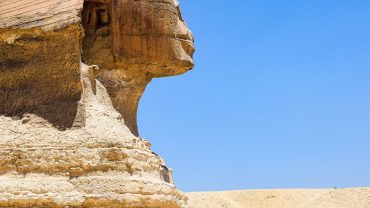
Egypt’s archaeological story reaches far beyond the Great Pyramid and Sphinx. Across the country, temples, tombs, and ceremonial complexes reveal how ancient communities honored their gods, commemorated rulers, and organized life around the Nile. Exploring several regions offers a fuller picture of Egyptian history and the remarkable variety of its architecture.
In Luxor, the vast columns and processional avenues of Karnak Temple contrast with the vividly painted burial chambers in the Valley of the Kings. Together, these sites illuminate both public religious ceremonies and beliefs about the afterlife. Saqqara offers a different perspective: its Step Pyramid, built for Pharaoh Djoser, marks an important stage in the development of monumental stone construction. Nearby tombs preserve detailed scenes of work, food, and daily life, providing insight beyond royal history.
Farther south, Abu Simbel’s colossal statues and rock-cut sanctuaries demonstrate the scale and precision of Ramesses II’s building program. The temples of Edfu and Kom Ombo, meanwhile, offer well-preserved examples of later temple design. Edfu’s reliefs describe rituals and mythological struggles, while Kom Ombo’s unusual paired sanctuary reflects the worship of two deities. These distinct settings show that Egyptian sacred architecture changed across periods and places while retaining enduring traditions.
A knowledgeable guide can help visitors interpret hieroglyphic inscriptions, identify the purpose of architectural features, and connect individual monuments to broader political and religious history. Without this context, carved scenes may appear decorative, and engineering achievements can be easy to overlook. Ask questions and allow time to examine details rather than moving quickly from one photograph to the next.
Practical planning also shapes the experience. Arriving early can mean cooler temperatures, softer light, and fewer crowds, especially at major sites such as Karnak or Abu Simbel. Comfortable footwear, water, and sun protection are useful, but patience is equally valuable. Pausing to observe a temple’s layout or a tomb’s painted ceiling makes each visit more meaningful and reveals why Egypt’s ancient heritage cannot be reduced to a single monument.
Egypt’s cities invite travelers to experience the country through everyday routines as well as famous landmarks. In Cairo, a walk through historic streets can reveal changing architecture, neighborhood shops, and the steady movement of commuters. Alexandria offers a distinct coastal atmosphere, where cafés and seafood restaurants reflect the Mediterranean setting. In Aswan, riverside promenades and local markets provide a quieter way to observe city life. Move at an unhurried pace, pause for a tea or coffee, and remember that these are lived-in places, not stages arranged for visitors.
Food is an especially welcoming route into regional culture. Koshari, a filling combination of grains, pasta, lentils, and sauce, is widely enjoyed in Cairo and beyond. Ful medames, made from slow-cooked fava beans, is a familiar breakfast, while taameya—Egyptian falafel typically prepared with fava beans—offers another local staple. Along the coast, Alexandria’s restaurants are known for seafood, while Aswan’s menus may feature ingredients and influences associated with southern Egypt. Recipes and customs vary between regions and families, so ask what is distinctive about a dish rather than expecting one version to represent the whole country.
Historic neighborhoods and markets reward respectful curiosity. Browse at a comfortable pace, greet shopkeepers, and bargain politely when negotiation is customary; a friendly exchange is more appropriate than treating every purchase as a contest. Ask permission before photographing people, and accept a refusal graciously. Dress with cultural awareness, particularly at religious sites, where modest clothing may be expected, and follow posted guidance. Choosing a local guide, café, or family-run business can support people with direct knowledge of the place, while creating opportunities for conversation. Listen as much as you speak, and let residents set the terms of any interaction. These small choices make urban exploration more considerate and help travelers connect with Egypt’s varied city cultures without turning daily life into a spectacle.
Egypt’s deserts offer a striking counterpoint to its busy cities and fertile river valleys. Beyond the Nile’s green banks, the land opens into broad plateaus, sculpted dunes, rocky mountains, and expanses of silence. A guided journey into the White Desert reveals pale chalk formations shaped by wind into towers and arches, their changing colors especially vivid at sunrise and sunset. In the Western Desert, an experienced local guide can help visitors understand the region’s geology, history, and delicate ecology while navigating terrain that is both beautiful and remote.
Oases bring a different kind of contrast. Siwa, set amid desert landscapes near the Libyan border, is known for palm groves, salt lakes, traditional architecture, and a distinctive local culture. Depending on conditions and local advice, travelers may visit a natural spring, walk through cultivated gardens, or explore nearby dunes. Wildlife can include desert birds and small mammals, though sightings are never guaranteed. Evenings often feel especially memorable: away from artificial light, a clear sky may reveal a remarkable spread of stars. Camping can provide a quiet way to experience this remoteness, provided it is arranged responsibly and respects local customs and land.
Desert travel requires careful preparation, not improvisation. Choose qualified guides, reliable four-wheel-drive transport, and an itinerary suited to current weather and access conditions. Carry ample drinking water, wear protective clothing, use sunscreen, and follow guidance about heat, navigation, and communications. Some areas are protected or subject to access restrictions; visitors should observe permits and local rules, avoid disturbing wildlife, and leave no waste behind. Natural springs and fragile desert surfaces deserve particular care, since even small impacts can persist in an arid environment. Together with experiences across Egypt’s cities, ancient sites, and river landscapes, journeys into deserts and oases reveal a country of striking contrasts. These ten kinds of memorable encounters offer more than a change of scenery: they create a richer, more varied understanding of Egypt and the many ways its landscapes shape daily life and travel.
Explore exciting tours and unforgettable Red Sea adventures.
View Tours & Excursions →
Find your dream property by the Red Sea with flexible installments.
Explore Properties →

Comment (0)