

Hurghada is an accessible introduction to Egypt’s Red Sea coast, combining a warm climate, broad beaches, and well-developed visitor facilities. The city is known for clear, calm waters where colorful reef fish can often be seen close to shore, making marine activities approachable even for first-time visitors. Its resort infrastructure includes hotels for different budgets, restaurants, tour operators, transport services, and organized excursions, allowing travelers to enjoy a relaxed holiday without giving up opportunities for exploration.
The destination has several distinct areas, each offering a different perspective. Older downtown neighborhoods, often associated with El Dahar, provide local shops, markets, cafés, and a more everyday urban atmosphere. The modern marina has promenades, restaurants, boat departures, and an evening setting suited to leisurely walks. Along the coast, resort-lined districts such as Sakkala and newer southern neighborhoods focus on accommodation, swimming pools, private beaches, and convenient access to organized activities. Beyond the city, nearby islands and desert landscapes add variety to the coastal experience.
A first visit can include far more than time beside the pool. Snorkeling and diving trips reveal coral gardens and abundant marine life, while boat excursions may visit offshore islands with pale sand and shallow turquoise water. Visitors can also explore local markets and mosques, or travel into the Eastern Desert for quad-bike rides, camel experiences, Bedouin-style dinners, and sunset views. Hurghada therefore suits travelers seeking a balance between an uncomplicated beach break and active day trips.
Timing affects the character of a visit. Spring and autumn generally offer comfortable daytime temperatures for sightseeing, swimming, and desert excursions, while the sea remains inviting for water sports. Winter brings mild conditions and can be especially pleasant for exploring, although evenings may feel cool and popular periods can be busy. Summer is hot, but many travelers find the water activities enjoyable; early starts and shaded breaks are advisable. Underwater visibility is often favorable throughout the year, though wind and seasonal conditions can influence boat trips and snorkeling comfort.
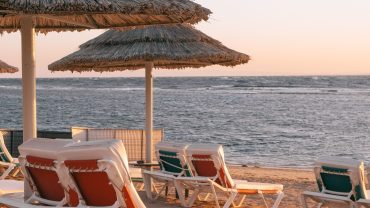
Hurghada’s coastline is a strong introduction to the Red Sea, with clear, generally calm water, warm temperatures, and coral gardens close to shore. Popular public beaches provide easy access for swimming and sunbathing, while private resort beaches often offer more orderly facilities, loungers, showers, and beach service. Before choosing a beach, check the entrance fee, opening hours, availability of shade, changing rooms, toilets, food outlets, and lifeguards. Families should also confirm whether the water entry is gradual, the current is mild, and children’s areas or suitable activities are available.
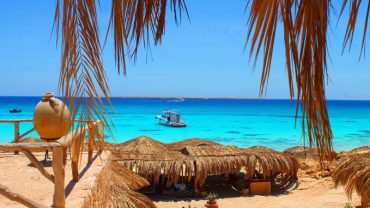
Boat trips add another dimension to a Hurghada visit. Giftun Island and Orange Bay are known for bright turquoise water, pale sand, and attractive views across the Red Sea. Excursions commonly include time for swimming, snorkeling, and relaxing on the beach, although conditions and stopping points vary. A short glass-bottom boat trip suits travelers who want an easy overview of marine life without spending a full day at sea. A full-day snorkeling cruise is better for visitors seeking several reef stops, onboard meals, and extended time in the water. Certified divers may prefer a scuba-diving excursion led by qualified instructors, with sites selected according to experience and weather.
Book through a reputable operator with clear reviews, proper licensing, and transparent prices. Confirm whether transfers, meals, drinks, entrance charges, snorkeling equipment, wetsuits, and professional guides are included. Inspect masks, fins, life jackets, and other equipment before departure, and ask about boat capacity and emergency procedures. Travelers should follow the crew’s safety briefing, remain hydrated, and use flotation aids when advised. To protect the reef, avoid touching coral, standing on it, feeding fish, or collecting shells. Reef-safe sunscreen, applied before entering the water, helps reduce environmental impact while preserving Hurghada’s remarkable underwater scenery.
Hurghada offers more than beaches and boat trips. In El Dahar, the city’s older district, visitors can see a more everyday side of Egypt through local markets, traditional shops, cafés, bakeries, and busy streets. The area is well suited to an unhurried walk, particularly when exploring its fruit and vegetable stalls or browsing for spices, textiles, souvenirs, and household goods. Bargaining is common in independent shops and markets, but it should remain polite and good-humored rather than confrontational. Modest clothing is advisable, especially away from resort areas, and travelers should ask permission before photographing people, shops, or religious buildings.
For a more relaxed evening, Hurghada Marina is an accessible destination with restaurants, cafés, and a pedestrian waterfront. It is convenient for combining dinner with a walk beside the boats, and the open views make it a pleasant place to watch the sunset. The city’s religious landmarks also provide opportunities to learn about local traditions. El Mina Mosque, one of Hurghada’s best-known mosques, and the Coptic church in El Dahar are important community sites. Visitors should check current opening arrangements, dress conservatively, remove shoes where requested, and keep voices low. Non-worshippers may have limited access at prayer times, so a respectful attitude and flexible timing are essential.
Beyond the urban area, the Eastern Desert introduces a different landscape and range of activities. Guided excursions may include quad biking across open terrain, camel rides, sunset outings, and visits to Bedouin-style villages, sometimes followed by tea, music, or stargazing under clear skies. These trips can add insight into desert environments and rural traditions, although their character varies considerably. Travelers should distinguish cultural visits from entertainment-focused tourist shows designed primarily for spectacle.
Choosing a responsible operator improves both the experience and its local impact. Before booking, ask how guides work with communities, whether group sizes are controlled, and how animals are treated. Providers should avoid forcing camels into exhausting routines, staged encounters, or activities that appear disrespectful to local customs. A well-run desert excursion balances adventure with safety, cultural sensitivity, and genuine engagement, allowing visitors to experience Hurghada beyond its resort shoreline.
A smooth first visit to Hurghada starts with a realistic schedule. Rather than filling every day with excursions, combine time for beach relaxation with one marine activity, one local sightseeing outing, and a desert experience. A three-day plan might include arrival and beach time, a boat trip for snorkeling or diving, and an evening desert tour. With five days, add a visit to the marina, a local market, or nearby cultural sites, while keeping at least one unplanned half-day for rest. This balance helps travelers enjoy the Red Sea without feeling rushed.
Arrange airport transfers before arrival, particularly if your hotel is outside the central resort area. Hotel Apartments may provide private cars or shared shuttles, while taxis and app-based ride arrangements can be useful for short journeys. Guided tours often simplify transport and combine several stops, but confirm the itinerary, vehicle arrangements, meeting point, total price, and inclusions in advance. Avoid relying on unlicensed excursion sellers, and ask whether entrance fees, meals, equipment, and hotel pickup are included.
Carry some Egyptian pounds for small purchases, tips, and local transport, although many hotels, restaurants, and larger shops accept cards. Keep bottled water available, use high-factor sun protection, and choose light, breathable clothing with comfortable footwear. A hat and sunglasses are useful on both beaches and desert trips. Travelers prone to seasickness should consider suitable medication before a boat excursion, following medical advice. Travel insurance should specifically cover snorkeling, diving, boat trips, and other planned water activities.
Stay hydrated, monitor weather and sea conditions, and follow guides’ safety instructions. Respect local customs by dressing modestly away from resort beaches and asking before photographing people. Do not touch coral, feed marine life, or collect shells; protecting the reef preserves Hurghada’s greatest natural attraction. Select activities according to personal interests, whether that means family-friendly beaches, diving, nightlife, culture, or quiet relaxation. A flexible three- to five-day itinerary can therefore include arrival and rest, a marine excursion, sightseeing, a desert evening, and a final beach day before departure.
Explore exciting tours and unforgettable Red Sea adventures.
View Tours & Excursions →
Find your dream property by the Red Sea with flexible installments.
Explore Properties →
Comment (0)