
Hurghada is Egypt’s biggest Red Sea resort. It stretches for kilometers along the coast and offers reliable sunshine, warm water, coral reefs, desert adventures, and easy flights from many cities. It can also feel confusing at first, because it’s a long, spread-out city with several distinct areas, a mix of tourist and local life, and a lot of tour offers coming at you from all sides. This guide covers what a first-time visitor needs to know before booking and after landing.
What Is Hurghada Like?
Hurghada began as a small fishing village and turned into a major beach destination from the 1980s onward. Today it’s a long ribbon of hotels, beaches, marinas, shopping streets, and restaurants, backed by the Eastern Desert and fronted by the Red Sea.
It is best known for:
Snorkeling and diving on coral reefs just offshore.
Boat trips to islands such as Giftun.
Year-round warm weather, with very little rain.
Water sports such as kitesurfing, windsurfing, and paddleboarding.
Desert excursions by 4×4, quad bike, and camel.
Value-for-money resorts, with all-inclusive options popular with families.
Hurghada is a beach and activity destination more than an ancient-monument destination, though Luxor can be reached on a long day trip.
Understanding the Areas
The coastline is long, so where you stay shapes your holiday.
El Dahar (Old Town)
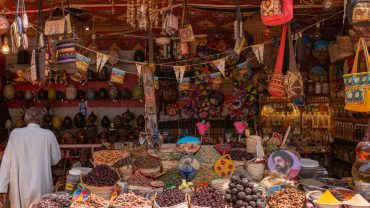
The historic heart of Hurghada, with local markets, small shops, cafés, and a more authentic feel. It isn’t a beach area, so it suits visitors who want to see everyday life and don’t need a beachfront hotel.
Sakkala
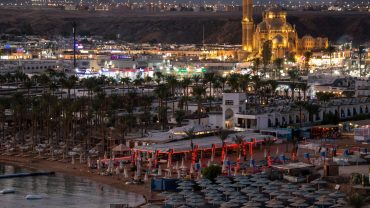
A lively central area with a marina, restaurants, bars, and a promenade. It’s popular for evening strolls and boat departures, with a mix of tourist and local energy.
The Hotel Strip (Sheraton Road area)
A long road lined with hotels, shops, restaurants, and cafés. It’s convenient, with plenty of choice and lively evenings, though traffic and noise can be an issue.
Village Road and Hurghada Marina
A busier, more commercial area with restaurants, shopping, and nightlife, and a marina where boats leave for excursions.
Makadi Bay, Soma Bay, and Sahl Hasheesh
South of the city, these are quieter, more resort-focused areas with large hotels, beach access, and fewer crowds. They suit families and couples who want to stay put. Sahl Hasheesh is known for its promenade and upscale feel, while Soma Bay is popular with kitesurfers and golfers.
El Gouna
North of Hurghada, El Gouna is a planned resort town with lagoons, canals, marinas, and a relaxed, polished atmosphere. It’s often chosen by travelers who want a calmer, more upscale base.
Tip: If you want to dive or snorkel every day with minimal traveling, look for a hotel with a good house reef or a short transfer to the marina. If you want nightlife and restaurants on your doorstep, choose Sakkala or the Village Road area.
Getting There
Hurghada has its own international airport (HRG), with direct flights from many cities, particularly in Europe, and domestic connections from Cairo and other Egyptian airports. Most travelers fly straight in.
Land travel from Cairo or Luxor is possible but long, so flying is usually the better choice unless you’re combining destinations. Check airline and transfer details before booking.
Visas and Entry
Entry rules and fees change, so always check official sources before you travel. As of the latest reports:
Most visitors need a tourist visa, though some nationalities have different rules.
Eligible travelers can use a visa on arrival, and reports say the single-entry fee rose to USD 30 from March 1, 2026.
wego
An e-Visa can be applied for online before you fly. Sources currently disagree on its fee, with some listing USD 25 for a single entry and others reporting USD 30 following an increase in April 2026, so check the official portal for the current amount.
wego
tripprof
A further increase has been reported for the start of 2027, so recheck if your trip falls around then.
At Hurghada, the digital visa on arrival being piloted at Cairo is not yet in use, and the paper sticker process continues.
wego
Free entry stamps that apply to some Sinai-only itineraries generally do not cover a Hurghada trip.
Tip: Make sure your passport has enough validity and blank pages, carry a small amount of cash for fees where needed, and be wary of anyone offering a paid “visa service” that you don’t need. Check your government’s travel advice for the latest rules.
Airport Transfers
From the airport, you can arrange:
A pre-booked transfer through your hotel or a reputable company, the simplest option for first-timers.
A licensed taxi, where you should agree the fare before you get in.
A ride-hailing app, if it works in your area.
Journey times to most hotels are short, but they vary with traffic and distance, so allow extra time for hotels in outlying areas such as Soma Bay or El Gouna.
Best Time to Visit
Hurghada has a hot desert climate with sunshine nearly every day.
October to November and March to May: Warm, comfortable, and ideal for most activities.
December to February: Mild days and cooler evenings, with the sea cool enough that some people prefer a wetsuit for long snorkeling or diving. It’s also peak season for visitors.
June to September: Very hot, but the sea is warm and inviting. Plan outdoor activities for early morning and late afternoon, and drink plenty of water.
Wind: Steady winds are good for kitesurfing, but they can make boat trips choppy.
Where to Stay
All-inclusive resorts: Popular for families and anyone who wants simplicity. Read recent reviews on food quality, beach access, and house reef quality.
Boutique and dive hotels: Smaller properties near the marina or reef, often better for divers.
Apartments and local hotels in El Dahar or Sakkala: A budget-friendly choice with more independence and local flavor.
When choosing, check:
Beach access. Some hotels have private beaches, while others use public or shared stretches.
Reef access. Some have a jetty to deeper water, which is great for snorkeling.
Distance to restaurants and transport. Outlying resorts can make independent exploring more expensive and time-consuming.
Recent reviews. Standards vary, so look for comments from the last year.
Getting Around
Taxis: Plentiful but often unmetered, so agree fares first.
Ride-hailing apps: Where available, these offer clear pricing and are often easier for visitors.
Minibuses: Cheap local transport, though routes can be confusing for newcomers.
Hotel and tour transfers: Many excursions include pickup.
Walking: Distances are long and the sun is strong, so walking is practical only within small areas.
Money, Costs, and Tipping
Currency: The Egyptian pound (EGP). Many tourist services quote prices in euros or dollars, but you’ll often get better value paying local prices in pounds where you can.
Cash and cards: Cards are accepted in many hotels and restaurants, but carry cash for small purchases, taxis, and tips. ATMs are widespread in tourist areas.
Tipping (baksheesh): Tipping is customary, so carry small notes. Ask your hotel or guide about current norms, and check whether a service charge has already been added to your bill.
Bargaining: Expected in markets and some shops. Stay friendly, compare prices, and don’t haggle in fixed-price places.
Prices: Excursion and activity prices vary widely, so compare current quotes rather than relying on old guides.
Top Things to Do
Giftun Islands boat trip: The classic day out, with snorkeling and beach time.
Diving and discover scuba: Hurghada is a popular place to learn, with many dive centers.
Desert safari: A 4×4, quad, or camel trip with a sunset Bedouin-style dinner and stargazing.
Semi-submarine or glass-bottom boat: A dry way to see the reef.
El Dahar and the fish market: A look at local life.
Water sports: Kitesurfing, windsurfing, and paddleboarding, especially around Soma Bay and El Gouna.
Spa and hammam: A popular rest-day choice.
Day trip to Luxor: A long but rewarding option, though staying overnight is more comfortable.
For a longer list, see our guide to unforgettable experiences in Hurghada.
Food and Drink
Hurghada’s restaurants range from simple local places to international hotel buffets.
Seafood: Grilled fish, shrimp, and calamari are a highlight. In many places you can choose your fish and have it cooked to order.
Egyptian classics: Koshari, ful, ta’ameya, grilled meats, mezze, and fresh bread are cheap, tasty, and widely available.
Drinks: Hibiscus tea (karkadeh), fresh juices, Egyptian tea, and coffee. Alcohol is available in hotels, many tourist restaurants, and bars, but isn’t sold everywhere.
Water: Tap water is generally not recommended for visitors, so drink bottled or filtered water and be cautious with ice and raw salads if you have a sensitive stomach.
Safe eating habits: Choose busy places, freshly cooked food, and hotels or restaurants with good reviews.
Dress and Local Etiquette
Hurghada is used to tourists, and beachwear is normal at hotels and beaches. Away from the beach, a few habits show respect:
Cover up outside beach areas, especially in El Dahar, markets, and religious sites. Shoulders and knees covered is a good rule.
Ask before photographing people.
Be mindful during Ramadan. Avoid eating or drinking openly in public during the day, and expect changed opening hours.
Keep public displays of affection modest.
Greet people politely. A smile and a “shukran” (thank you) go a long way.
Health and Safety Tips
Sun protection: The sun is strong all year, so use high-SPF sunscreen, a hat, and sunglasses. Reef-safe sunscreen is better for the marine environment.
Hydration: Drink plenty of water, especially on excursions.
Marine safety: Don’t touch coral or marine life, wear water shoes where sea urchins or sharp reef may be present, and listen to guides.
Know your limits: Don’t snorkel or dive beyond your skills, and use licensed operators.
Travel insurance: Make sure it covers medical care and activities such as diving, kitesurfing, and quad biking.
Vaccines and medication: Check current travel health advice with a doctor or travel clinic before you go.
Scams and pressure selling: Be polite but firm with street touts and overly pushy sellers, and compare tour prices. Avoid handing over passports or large deposits to unknown vendors.
Transport: Use licensed taxis or trusted apps, and agree prices in advance.
Stay informed: Check your government’s latest travel advice and any local guidance.
What to Pack
Light, breathable clothing and a light layer for evenings
Swimwear, a rash vest, and a quick-dry towel
Reef-safe sunscreen, hat, and sunglasses
Water shoes for rocky entries
A waterproof bag or phone pouch
A plug adapter (Egypt typically uses European-style two-pin plugs, so check your devices)
Any prescription medication in original packaging
A copy of your passport and insurance details
Responsible Travel
The Red Sea’s reefs are fragile, so a few habits help protect them:
Never stand on or touch coral.
Don’t feed fish or chase turtles and dolphins.
Avoid buying shells, coral, or marine souvenirs.
Choose operators that brief guests, limit numbers, and follow protected-area rules.
Take all trash with you.
Sample First-Timer Itinerary
Day 1: Arrive, settle in, walk the beach or marina, and have a seafood dinner.
Day 2: Boat trip to the Giftun Islands with snorkeling and beach time.
Day 3: Explore El Dahar and the old town in the morning, relax in the afternoon, and take a sunset stroll in Sakkala.
Day 4: Desert safari with a Bedouin-style dinner and stargazing.
Day 5: Try a discover scuba session, a semi-submarine trip, or a spa day.
Day 6 or 7: Visit El Gouna or Sahl Hasheesh, or take a day trip to Luxor if you want ancient history.
Common First-Timer Mistakes
Booking too many tours at once. Leave rest days, especially in summer.
Choosing the wrong area. Match your hotel location to your plans.
Not checking visa rules and fees. Confirm requirements well before you travel.
Paying for unnecessary “visa services.” Know what you need before arrival.
Skipping sun protection. Sunburn is the most common holiday problem.
Not agreeing on prices first. Do so for taxis, excursions, and services.
Ignoring reef rules. Protect the marine life you came to see.
Final Thoughts
Hurghada works best when you know what you want from it. Pick the area that suits your pace, protect yourself from the sun, and mix a couple of active days with plenty of rest. With the reef a short boat ride away, the desert on your doorstep, and sunshine almost every day, it’s an easy and rewarding introduction to Egypt’s Red Sea coast.
Explore exciting tours and unforgettable Red Sea adventures.
View Tours & Excursions →
Find your dream property by the Red Sea with flexible installments.
Explore Properties →
Comment (0)