
Hurghada is one of Egypt’s best-known Red Sea destinations, and its combination of accessible boat trips, warm water and varied underwater scenery can make it an appealing place for a first scuba experience. Many visitors dive from boats operating along the coast, while local centers offer options suited to people who have never used scuba equipment. The setting is not a guarantee of calm conditions, but it offers beginners a range of ways to explore beneath the surface with professional supervision.
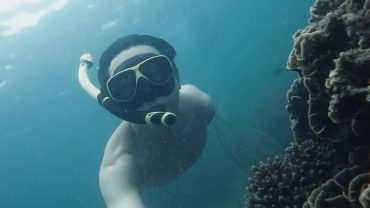
In the water, new divers may encounter colorful coral formations and schools of reef fish, along with other marine life found in the Red Sea. What appears on any particular dive depends on the site, conditions and chance; wildlife sightings cannot be promised. Reefs also differ in depth, shape and exposure, so an instructor or dive center can help select an appropriate location based on a participant’s comfort and experience. For beginners, a sheltered, relatively shallow site may provide a manageable introduction to breathing underwater and moving with scuba gear.
An introductory dive is different from a scuba certification course. Often called a discover or try dive, it is a supervised experience for someone who is not certified. An instructor explains essential safety procedures, helps with equipment and remains close during the dive. It can offer a taste of scuba diving, but it does not qualify the participant to dive independently or rent equipment as a certified diver. A certification course involves structured learning, practice skills and assessed dives; successful completion results in a recognized qualification, subject to its limits.
Water temperatures in Hurghada are generally warm compared with many diving destinations, though they change through the year, and exposure protection may still be useful. Visibility, currents, waves and access to particular sites can vary with season and weather. A day’s conditions may also differ from forecasts or expectations. Before booking, beginners can ask about instructor qualifications, group size, equipment, medical requirements and the planned dive site. Choosing a reputable operator and sharing concerns openly helps ensure the experience is matched to individual needs and prevailing conditions.
Before booking a beginner dive in Hurghada, tell the operator about any medical condition, prescription or over-the-counter medication, pregnancy, or previous diving-related problem. Some conditions or medicines can affect whether diving is appropriate, and requirements vary with individual circumstances. Do not stop prescribed medication to participate. If you are unsure about your fitness to dive, have a relevant health history, or are asked to complete a medical questionnaire, consult a doctor familiar with diving medicine before travel or booking. Answer all health questions accurately and give the instructor time to discuss any concerns privately.
Plan around pressure changes as well as your dive schedule. Do not dive immediately after flying or another pressure-related activity; wait for the recommended interval and follow advice from a qualified dive professional, particularly if you have ear or sinus discomfort. After diving, leave a safe interval before flying or travelling to altitude. The appropriate wait depends on your dive profile, including whether you made multiple dives or dived on consecutive days. Check current guidance with your operator or training agency before your trip, and build extra flexibility into your itinerary rather than scheduling a flight soon after your final dive.
Pack swimwear, a towel, drinking water, sun protection, and any personal medication you may need. Bring medication in its original packaging and tell the instructor if you use it; do not enter the water if you feel unwell. Operators generally provide and fit essential equipment, such as a mask, fins, buoyancy device, regulator, and exposure suit, but confirm what is included and mention sizing needs in advance. Before paying, check that instructors hold recognized, current qualifications, ask about group size and supervision, and inspect equipment for visible damage and suitable fit. Clarify what insurance covers, including exclusions and emergency arrangements. Finally, check the forecast and ask the operator about the day’s wind, visibility, currents, and sea conditions. Conditions can change, so be prepared to postpone or choose a sheltered site if the instructor considers it safer.
Your first scuba dive in Hurghada usually begins with arrival at the dive center or boat, where staff confirm your booking and ask you to complete basic paperwork. This may include health questions and a declaration about your experience. Answer accurately and tell the instructor about any concerns before the activity starts. The instructor then gives a plain-language briefing, explaining the dive plan, hand signals, safety procedures, and what to expect underwater. You do not need to memorize complex terminology; ask for clarification whenever something is unclear.
Next, the crew helps you select and fit your equipment, including a mask, fins, buoyancy control device, and regulator. The instructor checks that everything fits comfortably and works correctly. Before entering the water, beginners practise breathing continuously through the regulator and learn simple signals for issues such as discomfort or needing to stop. You will also practise equalizing pressure gently as you descend, commonly by swallowing or pinching your nose and blowing softly. Never hold your breath while scuba diving; keep breathing normally and follow the instructor’s guidance.
The entry into the water is closely supervised, with the instructor nearby as you get used to floating, breathing, and moving with your equipment. Your first descent is generally slow, allowing time to adjust and equalize. New divers typically remain at a modest depth under direct supervision, but the exact depth, duration, and format depend on the program, local rules, and sea conditions. You can pause or end the dive at any time by telling your instructor or using the agreed signal. Follow directions, move calmly, and avoid touching coral or marine wildlife. This helps protect the reef and keeps the experience safer for you and the underwater environment.
A comfortable first dive begins with careful listening. Pay attention to the briefing, equipment checks, hand signals, and the plan for entering and leaving the water. Tell the instructor or guide early if you feel anxious, tired, or cold; speaking up gives the crew time to adjust the pace or offer support. Underwater, move slowly and breathe steadily rather than trying to cover distance. Calm movements conserve energy, make it easier to maintain buoyancy, and reduce the chance of disturbing nearby animals. Keep a respectful distance from fish, turtles, and coral, and never touch, chase, feed, or stand on marine life. Follow the crew’s reef-protection guidance throughout the outing.
A boat trip may also involve waiting, snorkeling, or resting at the surface between activities, so pace yourself instead of treating every moment as a test. Drink water regularly, especially in warm weather, and use reef-conscious sun protection, such as a rash guard, hat, and suitable sunscreen applied away from the water when possible. If snorkeling, stay within the area explained by the crew and use a flotation aid if recommended. Ask the operator in advance what the price includes, how transport and meals are arranged, and whether equipment is provided. Confirm the schedule and mention dietary needs or mobility concerns. Check whether photos or videos are included or cost extra, so you can decide without pressure on the day.
After the outing, consider what felt enjoyable and what you would like to learn. One introductory dive can be a complete experience in itself; there is no need to commit to a course immediately. If you want more practice, ask about another supervised session, where an instructor can help you become comfortable with basic skills and underwater awareness. If the experience sparks lasting interest, explore a recognized scuba certification course and compare its training standards, schedule, and costs. Choose a reputable provider that explains medical requirements and allows time to build skills gradually. Whatever you choose, let your comfort, curiosity, and respect for the marine environment guide your decision.
Explore exciting tours and unforgettable Red Sea adventures.
View Tours & Excursions →
Find your dream property by the Red Sea with flexible installments.
Explore Properties →

Comment (0)