

Introduction to El Dahar: The Heart of Hurghada
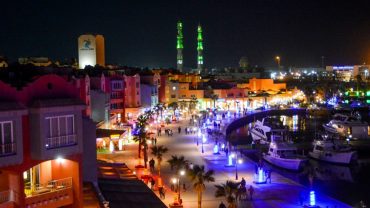
El Dahar is widely recognized as the central hub of Hurghada, a vibrant coastal city along the Red Sea in Egypt. This area serves not only as a geographical focal point but also as a cultural and historical center, reflecting the everyday life and traditions of the locals. It is characterized by its bustling markets, known locally as souks, and a rich array of culinary offerings. Visitors to El Dahar are often drawn in by the immersive local atmosphere, which presents a stark contrast to the more tourist-oriented parts of Hurghada.
Historically, El Dahar has played a significant role in the development of Hurghada. Once a small fishing village, it has evolved into a thriving community that balances its storied past with modern amenities. The architecture in El Dahar showcases a blend of traditional Egyptian styles and contemporary influences, providing a picturesque backdrop for those exploring the area. Each corner boasts unique shops and eateries, contributing to its charm as a vibrant marketplace.
Beyond its visual appeal, El Dahar is a crucial part of the local economy. The markets are filled with vendors selling a vast range of goods, from spices and textiles to handmade crafts. These bustling bazaars provide an authentic shopping experience, allowing visitors to engage with local artisans and experience the region’s rich cultural heritage. In addition to the shopping, the culinary scene in El Dahar is also noteworthy. Local restaurants and street food stalls offer a variety of traditional dishes, making it a food lover’s paradise.
For travelers seeking to experience the true essence of Hurghada, El Dahar offers a comprehensive glimpse into the region’s vibrant culture, making it a must-visit destination. From its lively markets to the delectable local cuisine, the area is the heart of Hurghada, inviting visitors to explore and savor its unique offerings.
Must-Visit Markets in El Dahar
El Dahar, the vibrant district of Hurghada, is known for its rich cultural heritage and bustling markets. Among the various shopping destinations, one can experience a range of local products that reflect the unique craftsmanship and culinary traditions of the region. Visitors to El Dahar should prioritize exploring several key markets that offer an authentic taste of local life.
The primary market in El Dahar is the Old Market, often referred to as Souk El Dahar. This lively bazaar allows shoppers to navigate through a maze of stalls offering everything from spices to handcrafted jewelry. The local vendors, known for their friendly demeanor, provide an engaging shopping experience where bargaining is not only expected but encouraged. This market is particularly famous for its aromatic herbs and spices, reflecting the region’s culinary practices.
Another notable location is the Fish Market, where fresh local catch is available daily. The vibrant atmosphere of this market is enhanced by the chatter of vendors and the sight of colorful fish and seafood. Here, visitors can learn about the different types of fish native to the Red Sea and may even purchase a fresh catch, which many local restaurants are happy to cook for you on the spot.
For those interested in artisanal crafts, the Handicraft Market showcases a variety of locally made products, including pottery, textiles, and traditional Egyptian art. Shoppers can observe artisans at work, which enriches the experience and offers insights into the cultural significance of these crafts.
When navigating the markets in El Dahar, it is advisable to remain open-minded and embrace the vibrant bargaining culture. Not only is it a practical method to negotiate prices, but it also enriches the overall shopping experience, making it more interactive and enjoyable. Engaging with local vendors can enhance understanding of the products, making your visit to El Dahar both memorable and educational.
Local Delicacies: The Best Food Spots in El Dahar
El Dahar, as a vibrant part of Hurghada, offers visitors a rich culinary landscape that encapsulates the essence of Egyptian cuisine. The area is renowned for its diverse food offerings, from traditional Egyptian dishes to delightful street food. Exploring these culinary delights is essential for anyone looking to truly experience the local culture.
Among the must-try local delicacies, koshari stands out as an iconic Egyptian dish. This hearty mix of rice, lentils, pasta, and a tangy tomato sauce is often topped with crispy onions. Numerous eateries in El Dahar serve this dish, but you can find some of the best at local establishments where it is made fresh daily. These restaurants often offer variations, allowing diners to customize their bowl according to their taste preferences.
Another staple in the area is ful medames, a dish made from fava beans spiced with a blend of herbs and lemon. Visitors can enjoy this dish in many street food stalls and small diners, where it is typically served with pita bread. Shawarma is yet another popular street food, with its tender meat wrapped in fluffy pita, often accompanied by a variety of fresh salads and sauces. Both locals and tourists often queue at establishments catering specifically to shawarma enthusiasts.
If you seek a sit-down experience, El Dahar boasts several restaurants renowned for their authentic Egyptian fare. One such place is Felfela, famed for its traditional atmosphere and generous portions. Another popular spot is El Masry, which offers an extensive menu featuring local favorites and fresh seafood.
The culinary experience in El Dahar is not just about dining but also about engaging with the local culture. Whether you indulge in market street food or dine at a cozy restaurant, the flavors of El Dahar are bound to leave a lasting impression.
Street Food Wonders: A Culinary Adventure
El Dahar, the heart of Hurghada, is a bustling hub that captures the essence of local culture, particularly through its street food. Visitors to this vibrant district can indulge in an array of delicious offerings that reflect the culinary diversity of Egypt. Among the must-try items is koshari, a hearty mix of rice, lentils, and pasta drizzled with a spiced tomato sauce. This dish serves as a filling option that can be found at numerous street vendors, each claiming to have their unique twist.
Another popular street food staple is the falafel, deep-fried balls made from ground chickpeas, herbs, and spices. Often served in pita bread with fresh vegetables and tahini sauce, falafel is not just a vegetarian option but a beloved choice for all food enthusiasts. Many vendors near the main square of El Dahar excel in this offering, ensuring that each bite is crispy and flavorful.
For those seeking something sweeter, konafa presents a delightful choice. This dessert, made from thin noodle-like pastry soaked in syrup, is often filled with cream or nuts. Street vendors in El Dahar take great pride in their konafa, presenting it warm and fresh to customers, enhancing the overall experience of enjoying local sweets.
When indulging in street food, safety should be a priority. It is advisable to observe the cleanliness of the stalls and the vendor’s handling practices. Additionally, opting for vendors that have a steady stream of customers often indicates both quality and safety. For the best experience, consider exploring the stalls during peak hours when the food is likely to be fresh and in high demand.
In summary, exploring the street food scene in El Dahar is an immense pleasure for visitors, offering not only delicious tastes but also an authentic glimpse into Egyptian culture. By discovering specific vendors and their signature dishes, one can appreciate the rich tapestry of flavors that this bustling district has to offer.
Understanding Egyptian Cuisine: Ingredients and Flavors
Egyptian cuisine is a rich tapestry woven from diverse influences, its essence found in the essential ingredients that characterize traditional dishes. A profound understanding of these elements reveals how they together create the distinctive flavors that Egyptian meals are celebrated for.
At the heart of Egyptian cooking, one will find staples such as legumes, which play a crucial role in daily diets. Fava beans, lentils, and chickpeas are prominent, offering both nutrition and flavor. These legumes are often employed in iconic dishes, such as ful medames, a slow-cooked fava bean dish commonly enjoyed for breakfast, or koshari, a hearty mix of rice, pasta, and lentils topped with a tangy tomato sauce.
Moreover, spices are fundamental to the Egyptian culinary landscape. Commonly used spices include cumin, coriander, and paprika, each contributing unique notes to dishes. For example, cumin adds a warm, earthy flavor to many stews and broths, while coriander brings a refreshing zest when used in salads and sauces. Egyptian cuisine also features the use of cloves and cinnamon, particularly in sweet dishes or during festive occasions, enriching the overall aromatic experience.
Fresh produce is equally significant, particularly in the creation of side dishes and salads. Tomatoes, cucumbers, and herbs like parsley and mint enhance texture and brightness in various meals. Seasonal vegetables also find their way into traditional recipes, exemplifying the reliance on local agriculture and the importance of freshness in the culinary practice. Dishes such as tabbouleh showcase the vibrant flavors of herbs and vegetables, bringing a refreshing balance to the meal.
In essence, the ingredients of Egyptian cuisine—spices, legumes, and fresh produce—work harmoniously to define the flavor profiles that are so deeply revered. The art of combining these elements is what truly brings Egyptian dishes to life, welcoming food enthusiasts into a world of rich culinary tradition.
Cultural Etiquette: Dining in El Dahar
Dining out in El Dahar, a vibrant district in Hurghada, is not just a gastronomical experience but also an opportunity to engage with local customs and etiquette. Understanding these practices can greatly enhance your visit and foster positive interactions with residents.
Meal times in Egypt typically differ from Western standards. Lunch is considered the main meal of the day, often served between 2 PM and 5 PM, while dinner usually takes place later in the evening. It is common to see families gathering for meals, emphasizing the importance of communal dining. If invited to a local home, it is polite to arrive on time but not overly early, as this may catch your hosts unprepared. Additionally, bringing a small gift, such as sweets or fruit, is appreciated as a token of gratitude.
When dining at restaurants or cafes in El Dahar, one should embrace the local dining etiquette, which includes greeting staff politely and waiting for them to offer seats. It is customary to say “sahtein” or “b’saha” before starting your meal, wishing everyone good health. If eating with locals, it’s important to know that meals are often served family-style; sharing dishes is a sign of friendship and respect. Moreover, using your right hand for eating is recommended, as the left hand is considered impolite for food consumption.
Beverages are frequently enjoyed alongside meals, and it is polite to wait for your host or the eldest person at the table to initiate the toast. Alcohol consumption is generally accepted, particularly in tourist areas, but it is wise to be respectful of those who abstain, especially during Ramadan. As foreign visitors, being mindful of local practices and adapting to the dining etiquette of El Dahar can lead to meaningful connections and enriched experiences.
Seasonal Foods: What to Expect Throughout the Year
El Dahar, located in Hurghada, has a rich culinary landscape that is deeply influenced by seasonal changes. Understanding these fluctuations not only enhances the dining experience but also offers an opportunity to enjoy the freshest ingredients. Throughout the year, various foods emerge as staples, reflecting the agricultural cycles and cultural practices of the region.
During the winter months, particularly from December to February, hearty dishes become central to local cuisine. This season sees an abundance of root vegetables, legumes, and warming spices, making dishes such as koshari particularly popular. Koshari, a traditional Egyptian dish made with rice, lentils, pasta, and topped with a spicy tomato sauce, is excellent in the cooler weather when people crave comforting fare.
As spring arrives in March and April, the markets of El Dahar begin to teem with fresh greens and herbs. Seasonal vegetables like spinach and dandelion greens become more prevalent, complementing lighter dishes. One notable dish during this time is falafel, which is often served with tahini sauce and fresh herbs. The use of fresh vegetables during spring allows for vibrant salads that reflect the season’s bounty.
With the onset of summer, the heat necessitates a shift toward lighter, refreshing foods. From May to August, fruits such as watermelon, oranges, and figs come into season, making fresh juices and salads a delightful option. The local farmers’ markets feature an array of summer produce, and visitors can expect to find grilled seafood, as summer is the peak season for fresh catches.
In the fall months of September to November, the cuisine reflects the harvest season. Here, dishes featuring squash, pumpkin, and hearty grains begin to dominate menus. This period is ideal for enjoying flavorful stews that incorporate seasonal vegetables, providing nourishment as temperatures begin to drop.
Adapting to seasonal changes, dining in El Dahar offers a dynamic experience that celebrates the region’s agricultural heritage. Each season brings unique flavors and dishes, enticing visitors to explore local cuisine throughout the year.
Recommended Food Tours: Exploring El Dahar’s Culinary Scene
El Dahar, known for its rich cultural tapestry and vibrant culinary scene, offers a variety of food tours designed to immerse visitors in the local flavors and traditions. These tours not only showcase the diverse dishes available but also provide insights into the preparation methods and cultural significance behind each meal. When exploring food tours in El Dahar, consider the following recommendations that cater to different tastes and preferences.
One of the most popular tours is the street food tour, where travelers can taste authentic Egyptian street food such as koshari, a hearty mix of rice, lentils, and pasta, topped with a spicy tomato sauce and crispy onions. This tour typically includes stops at various street vendors, allowing participants to engage with local chefs and learn about the origins of these dishes. Additionally, some tours offer an opportunity to try local delicacies like falafel and shawarma, rounding out the culinary experience.
For a more immersive experience, consider booking a cooking class tour. These tours take participants to local markets where fresh ingredients are sourced. After a guided shopping session, visitors are often invited into the homes of local families to prepare traditional dishes. This option is particularly valuable for those interested in not only tasting food but also understanding the cooking techniques that are passed down through generations.
When selecting a food tour, it’s essential to research and consider factors such as group size, itinerary, and the expertise of the guide. Smaller groups can provide a more personal experience, while knowledgeable guides can enhance your understanding of the cultural context of the meals. Reviews from previous participants can also offer insights into the quality and authenticity of the food tours available in El Dahar.
By choosing the right food tour, visitors can ensure a memorable culinary exploration that highlights El Dahar’s vibrant local cuisine and rich gastronomic heritage.
Conclusion: Embracing the Flavors of El Dahar
In conclusion, El Dahar in Hurghada offers a rich tapestry of experiences that intertwine the vibrant local markets with the delightful array of traditional cuisine. This area is not just a place to shop or dine; it is a cultural hub that showcases the heart and soul of Egyptian life. The markets brim with activities, where visitors can immerse themselves in the hustle and bustle, engaging with local vendors and discovering unique products that reflect the heritage of the region.
The culinary scene in El Dahar is equally compelling, featuring a diverse selection of dishes that range from aromatic spices to fresh seafood. Dining in local eateries allows one to savor authentic flavors that are often missed in tourist-centric areas. Exploring food stalls and restaurants provides an opportunity to appreciate the gastronomy that has been passed down through generations, engaging all senses through the process.
Moreover, the combination of shopping and dining in El Dahar not only adds to the overall experience but also enhances the understanding of local culture. Each meal and transaction becomes a story, offering insights into the traditions and lifestyle of the Hurghada community. It encourages a deeper connection with the people and practices that define this area.
Therefore, to truly embrace the essence of Hurghada, one must take the time to explore El Dahar’s markets and savor its local cuisine. Doing so will result in an enriched understanding of the vibrant culture and a memorable experience that goes beyond mere sightseeing. By opting to engage with the local community, visitors contribute to the preservation of these cultural treasures while enjoying the flavors that make El Dahar a unique destination in Egypt.
Explore exciting tours and unforgettable Red Sea adventures.
View Tours & Excursions →
Find your dream property by the Red Sea with flexible installments.
Explore Properties →


Comment (0)