
Egypt is famously welcoming, and visitors are often invited for tea, asked where they’re from, and greeted with a warm “Welcome to Egypt!” A little knowledge of local customs makes those encounters smoother and shows respect for the people you meet. This guide covers the traditions, etiquette, and everyday habits that will help you travel with confidence.
A Culture Built on Hospitality
Hospitality is central to Egyptian life. Guests are treated with generosity, and it’s common to be offered tea, coffee, or food, even in a shop or a small home. Accepting a cup of tea is usually seen as friendly, and refusing politely, with a hand on your heart and a smile, is also understood.
If you’re invited to someone’s home, bring a small gift such as sweets, pastries, or fruit. Expect large portions and repeated offers of more food. Leaving a little on your plate is generally fine, and praising the meal is always appreciated.
Religion and Daily Life
Egypt is a majority Muslim country with a significant Coptic Christian community, which is one of the oldest Christian communities in the world. Religion shapes the rhythm of the day, the calendar, and many social norms.
The call to prayer (adhan) sounds five times a day from mosques across the country. You don’t need to do anything special, but it’s polite to lower your voice while it’s sounding.
Friday is the main congregational prayer day, and many businesses open late or close in the morning. Many Egyptians have Friday and Saturday as their weekend.
Churches are also an important part of Egyptian life, especially in Cairo’s Coptic quarter and in monasteries across the country.
Egyptians commonly use phrases like inshallah (“God willing”), mashallah (“God has willed it”), and alhamdulillah (“praise be to God”) in everyday speech. Inshallah can mean a sincere hope for the future, but it’s also sometimes used as a polite way of saying “maybe,” so confirm important plans clearly.
Greetings and Social Etiquette
Greet people warmly. “Salam alaykum” (peace be upon you) is the common Muslim greeting, answered with “wa alaykum as-salam.” “Ahlan” (hello/welcome) and “shukran” (thank you) are safe and appreciated.
Handshakes are common, but wait for the other person to offer first, especially between men and women. Some observant Muslims prefer not to shake hands with the opposite sex, and a hand over the heart with a smile is a respectful alternative.
Take time for small talk. Business and daily interactions often begin with questions about family and health. Rushing straight to the point can feel abrupt.
Use your right hand for eating, giving, and receiving, since the left hand is traditionally considered less clean.
Avoid showing the soles of your feet or pointing them toward people, as it’s considered disrespectful.
Public affection is generally kept modest. Holding hands is usually fine for couples, but kissing and embracing in public can cause offense.
What to Wear
Egypt is more relaxed in beach resorts than in historic or traditional areas, but modest dress is respected everywhere.
In cities, villages, and at religious sites, both men and women should cover shoulders and knees. Loose, breathable clothing works well in the heat.
Women may want a light scarf to carry for visiting mosques, where covering the hair is required.
At the beach and in resorts, swimwear is normal, but cover up when you leave the beach area.
At temples and archaeological sites, comfortable clothing and sturdy shoes matter more than formality, but modest clothing is still courteous.
Dressing modestly often reduces unwanted attention and makes interactions more comfortable.
Visiting Mosques and Churches
Remove your shoes before entering a mosque, and look for the shoe rack.
Dress conservatively. Women should cover their hair, arms, and legs, and men should avoid shorts. Many mosques lend robes or scarves.
Avoid visiting during prayer times unless you’re praying, and don’t walk in front of people who are praying.
Be quiet and respectful. Ask before taking photos, especially of worshippers.
Check visiting hours, since some sites restrict tourists during prayers or on Fridays.
Coptic churches and monasteries also appreciate modest dress, quiet behavior, and permission before photographing icons or services.
Ramadan: What to Expect
Ramadan is the Islamic holy month, in which Muslims fast from dawn to sunset. Its timing shifts each year because the Islamic calendar is lunar, so check the dates before you travel.
During Ramadan:
Opening hours change. Many shops and attractions open later and close earlier, and daytime can feel quieter.
Avoid eating, drinking, or smoking openly in the street during the day, out of respect for those fasting. Tourist restaurants and hotels usually remain open.
Evenings are festive. After sunset, families gather for iftar, the meal that breaks the fast. Streets glow with lanterns (fawanees), tables are set outdoors, and markets and cafes stay busy late into the night.
You may be invited to iftar. Accepting is a lovely cultural experience.
Festivals and Holidays
Eid al-Fitr marks the end of Ramadan, with family visits, new clothes, and sweets.
Eid al-Adha is the “Feast of Sacrifice,” a major holiday when families share meat and gather for large meals.
Mawlid al-Nabi celebrates the birth of the Prophet, often marked with sweets and processions.
Coptic Christmas is celebrated on January 7, and many Egyptians of all backgrounds share in the holiday season.
Sham el-Nessim is a spring festival with ancient roots, celebrated by Egyptians of all faiths with picnics, colored eggs, salted fish, and green onions. It falls the day after Coptic Easter.
During holidays, transport, hotels, and attractions can be much busier, so book ahead.
Food and Dining Customs
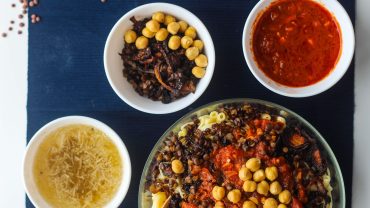
Eating together is a social event, with dishes often shared from central platters.
Bread is respected. Baladi bread is a staple, and wasting it is frowned upon.
Alcohol is available in many hotels, tourist restaurants, and bars, but it isn’t part of everyday life for many Egyptians and is restricted in some places and times. Public drunkenness is considered offensive.
Pork isn’t commonly eaten by Muslims or Copts during fasting, and it’s less widely available than in many countries.
Tea is a ritual. Egyptians drink it often and strong, and it plays a part in business, friendship, and welcome.
Tipping (Baksheesh)
Tipping is a normal part of life in Egypt, known as baksheesh. It can range from a small thank-you for a quick favor to a larger gratuity for guides and drivers.
Carry small notes for porters, bathroom attendants, parking helpers, and others who offer small services.
Check whether a service charge has already been added to your restaurant bill, and tip extra if the service was good.
Tip guides, drivers, and hotel staff according to the service and the length of the trip.
Don’t feel pressured. A friendly refusal is acceptable, and be cautious of anyone demanding large amounts for an unrequested service.
Amounts depend on the situation and change with the economy, so ask your hotel or a trusted local guide for current guidelines.
Bargaining and Market Etiquette
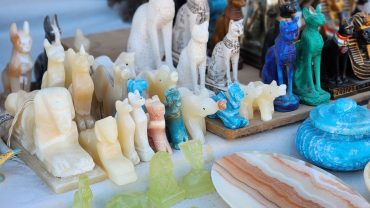
Bargaining is expected in many souks and tourist markets, but it should be friendly.
Compare prices before buying, and decide your limit.
Smile and stay polite. Walking away is a natural part of the process.
Once you’ve agreed on a price, don’t back out.
Fixed-price shops exist, so look for visible price tags.
Be cautious with unsolicited helpers who lead you to a shop, as they often receive a commission.
Photography Etiquette
Ask before photographing people, especially women and children. Some may refuse, and some may ask for a tip.
Don’t photograph military or government buildings, bridges, and security installations, as that can cause problems.
Check rules at museums and archaeological sites, since fees or bans may apply to cameras, phones, flash, drones, and tripods.
Don’t take unwanted photos of religious ceremonies.
Communicating and Language
Arabic is the official language, and the Egyptian dialect is widely understood across the Arab world thanks to its film and music. English is common in tourist areas, and some people also speak French, German, Italian, or Russian. Learning a few Arabic phrases goes a long way:
Ahlan wa sahlan: welcome
Shukran: thank you
Afwan: you’re welcome / excuse me
La, shukran: no, thank you
Ma’a salama: goodbye
Bikam da?: how much is this?
Social Norms to Keep in Mind
Be mindful of conversation topics. Politics and religion can be sensitive, and it’s best to listen more than you opine, particularly with people you’ve just met.
Be aware of local laws. Rules around drugs, public behavior, and certain social matters can be stricter than in many countries, so research your obligations before you travel.
Women travelers may receive attention or unwanted comments in some places. Dressing modestly, walking confidently, using licensed taxis or trusted ride-hailing apps, and choosing reputable accommodations help, and many women travel in Egypt happily and safely.
Family comes first. Family ties are central to Egyptian life, and questions about marriage or children are often friendly curiosity rather than intrusion.
Punctuality is flexible in social settings, but be on time for tours and transport.
Simple Do’s and Don’ts
Do:
Greet people warmly and accept hospitality graciously.
Dress modestly at religious and local sites.
Ask before taking photos of people.
Carry small change for tips.
Stay patient and keep your sense of humor.
Don’t:
Show affection excessively in public.
Eat or drink openly in busy public places during Ramadan daylight hours.
Point your feet at people or use your left hand to give or receive.
Take or buy antiquities.
Lose your temper. Calm politeness works better.
Final Thoughts
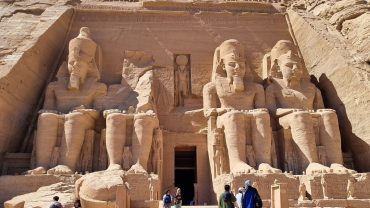
Most Egyptians appreciate visitors who make an effort to understand their culture. A friendly greeting, modest dress, and a little patience will earn you warmth in return, and you’ll likely leave with stories of hospitality as memorable as the monuments themselves.
Explore exciting tours and unforgettable Red Sea adventures.
View Tours & Excursions →
Find your dream property by the Red Sea with flexible installments.
Explore Properties →
Comment (0)