

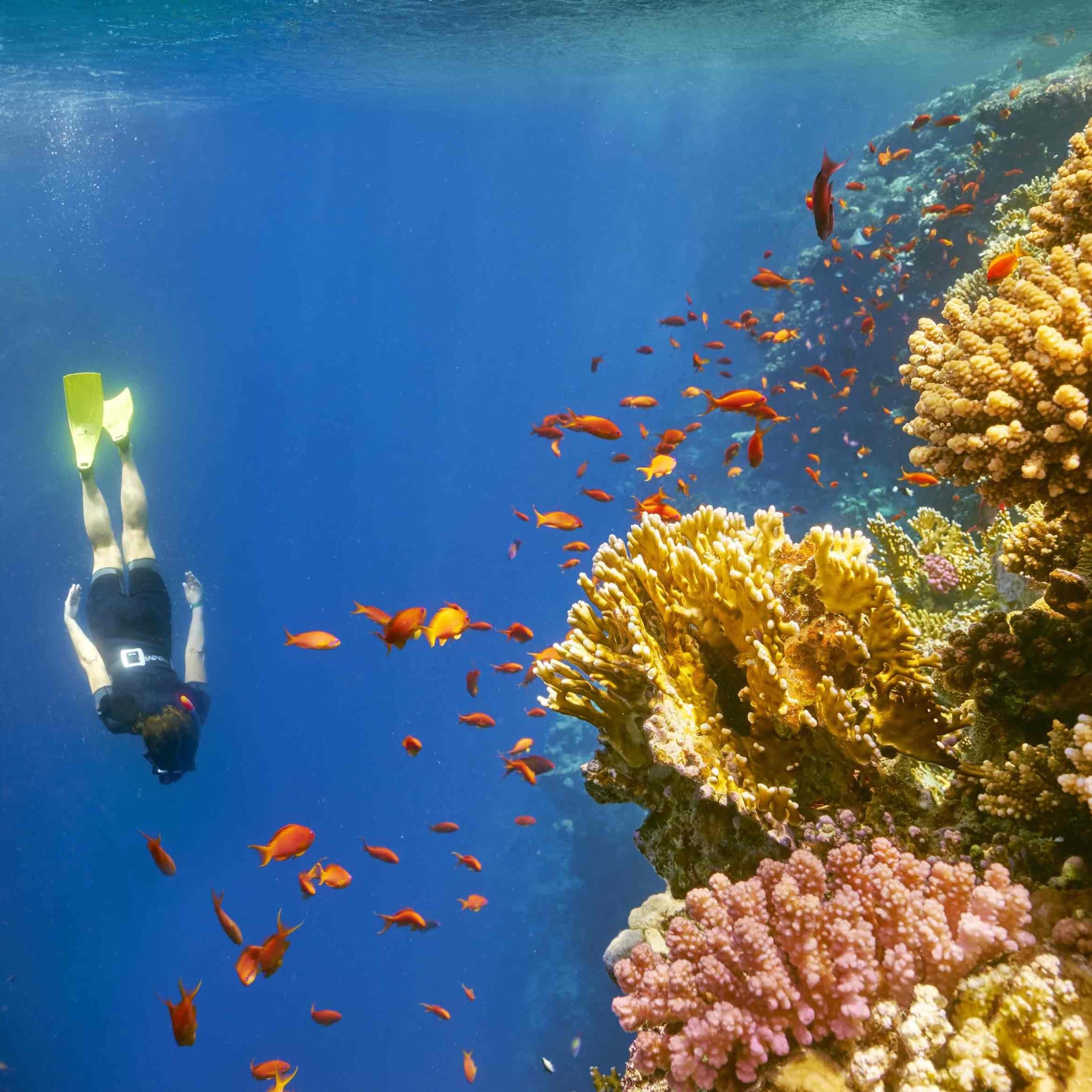

The Allure of Crystal-Clear Waters
The captivating experience of snorkeling and diving in crystal-clear waters is unmatched, drawing adventurers and nature lovers alike to explore the hidden treasures beneath the waves. The allure of these pristine environments stems primarily from the remarkable visibility they offer, often exceeding 30 meters in ideal locations. Such clarity not only enhances the aesthetic appeal of underwater exploration but also allows divers and snorkelers to observe a diverse array of marine life with unparalleled detail.
Among the most renowned destinations celebrated for their extraordinary waters are places like the Great Barrier Reef in Australia, the Blue Hole in Belize, and the Maldives. Each location presents a unique ecosystem where vibrant coral reefs thrive alongside a myriad of species, from playful turtles to tropical fish in a stunning palette of colors. Studies have shown that areas with crystal-clear waters typically host healthier marine ecosystems, due to lower levels of pollution and sediment. This, in turn, fosters an environment where marine biology flourishes, allowing adventurers to witness the intricate relationships between various species firsthand.
Moreover, the exceptional conditions of crystal-clear waters have made them ideal for scientific research. Researchers have noted the importance of water clarity, finding a direct correlation between visibility and marine productivity. For instance, clear waters support more abundant light penetration, crucial for photosynthetic organisms, thereby forming a vibrant foundation for marine food webs. This combination of factors contributes not only to the aesthetic appeal of underwater adventures but also to the ecological significance of these extraordinary environments.
Essential Gear for Snorkeling and Diving
Engaging in snorkeling and diving activities requires not only a sense of adventure but also a collection of essential gear that enhances safety and enjoyment. The right equipment is crucial for both beginners and experienced divers, making the underwater experience more memorable. Here is a comprehensive guide to the key items you should consider.
A quality mask is central to your gear. It forms a water-tight seal around your face, allowing you to see clearly underwater. Look for a mask made from durable materials with tempered glass lenses for safety. Many masks come in various sizes, so it’s important to try them on to ensure a comfortable fit, allowing for optimal vision and reduced leakage.
The snorkel is another vital piece of equipment, enabling you to breathe while keeping your face submerged. A good snorkel should feature a comfortable mouthpiece and a purge valve that allows for quick clearing of water. Various designs cater to different preferences, so consider whether you prefer a traditional snorkel or one with a dry-top system to prevent water entry.
Fins play a significant role in your mobility underwater. They assist in propulsion and reduce fatigue during swimming. When choosing fins, consider factors such as size, flexibility, and the type of diving you intend to do. Open-heel fins offer adjustability, making them suitable for use with booties, while closed-heel fins provide ease of use for snorkeling.
Lastly, a wetsuit or drysuit is essential for thermal protection, especially in colder waters. Wetsuits insulate by allowing a thin layer of water to remain, while drysuits protect you from cold water entirely. When selecting a suit, prioritize fit and flexibility to ensure maximum comfort and mobility.
In addition to acquiring the right gear, routine maintenance is critical. Rinse your equipment with fresh water after use and store it properly to prolong its life. Investing in quality snorkel and diving gear will undoubtedly enhance your underwater escapades, allowing you to explore the beauty of the ocean with confidence.
Top Destinations for Snorkeling and Diving Enthusiasts
The world is replete with stunning destinations where snorkeling and diving enthusiasts can immerse themselves in vibrant underwater ecosystems. Among these, the Great Barrier Reef, located off the coast of Australia, stands out as the largest coral reef system on the planet. Spanning over 2,300 kilometers, it is home to a vast array of marine life, including colorful corals, sea turtles, and numerous fish species. Visitors benefit from numerous local diving operators who offer guided tours, equipment rental, and educational programs aimed at fostering environmental conservation.
Another must-visit destination is the Maldives, renowned for its crystal-clear waters and exceptional visibility. With over 1,000 coral islands, the Maldives promises a unique underwater adventure, with opportunities to encounter manta rays and whale sharks. The islands provide a range of accommodations that cater to divers and snorkelers, from luxury resorts to budget-friendly guesthouses. Local initiatives are underway to ensure sustainable tourism practices, which include protecting coral reefs and educating visitors about the delicate marine environment.
Bonaire, part of the Caribbean Netherlands, is often referred to as a diver’s paradise. Known for its unparalleled shore diving opportunities, Bonaire boasts over 80 official dive sites, all easily accessible from the shore. The clear waters and diverse marine life, including vibrant schools of fish and healthy coral reefs, make it an ideal spot for both novice and experienced divers. Local conservation efforts have successfully preserved the marine park, emphasizing the importance of responsible diving practices to maintain the ecological balance of the underwater world.
These three extraordinary locations not only offer breathtaking snorkeling and diving experiences but also underscore the importance of preserving our oceans for future generations. Emphasizing sustainable practices ensures that such paradises remain vibrant and thriving for years to come.
Safety Tips and Environmental Stewardship
Engaging in snorkeling and diving in crystal-clear waters can be an exhilarating experience, but personal safety should always be a priority. First and foremost, it is essential to familiarize yourself with local currents and marine conditions before embarking on your underwater adventure. In some locations, currents can be strong and unpredictable, thus hindering safe navigation. Always check with local guides or dive shops for the latest conditions and recommendations.
Utilizing the buddy system is another vital practice for ensuring safety. Diving or snorkeling with a partner enhances both enjoyment and security, as it allows individuals to look out for one another. If one person encounters a problem, the other can assist or seek help. It is also advisable to carry safety equipment such as flotation devices and signaling devices, which can be invaluable in emergencies.
Additionally, be aware of potential hazards, such as sharp coral, marine animals, and varying water temperatures. Always proceed with caution, particularly in unfamiliar waters, and heed the guidance of seasoned divers and snorkelers.
As passionate adventurers of the underwater world, it is our responsibility to embrace environmental stewardship while snorkeling and diving. One key principle is to avoid contact with marine life and respect their habitats. Touching coral or disturbing wildlife can lead to significant ecological damage. Proper waste disposal is likewise critical; this includes never leaving behind plastic or other pollutants that can threaten marine ecosystems. Utilize biodegradable or environmentally safe products whenever possible, especially sunscreen, as chemical-laden alternatives can harm delicate tropical ecosystems.
By adopting these best practices, divers and snorkelers not only safeguard their own well-being but also contribute to the conservation of the ocean’s biodiversity. Approaching these adventures with respect for both personal safety and marine ecosystems allows for a sustainable and enjoyable interaction with nature.
Book Your Underwater Adventure Today! Explore Coral Reefs Like Never Before – Start Your Journey!
0 Comment