

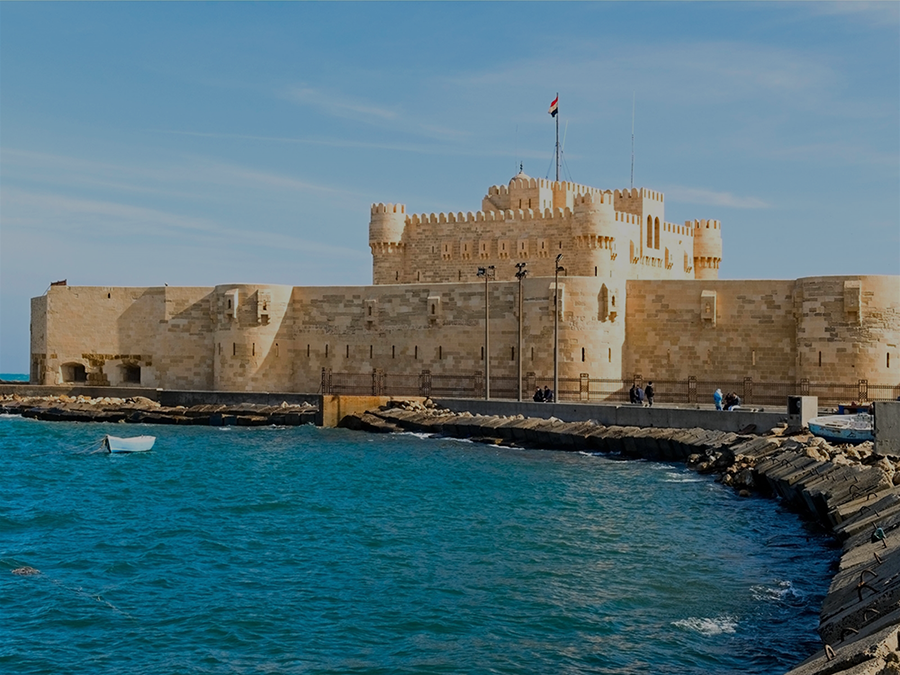

Cultural Tours: Introduction to Egypt’s Rich Cultural Heritage
Egypt, often referred to as the cradle of civilization, holds a prominent place in global history due to its remarkable cultural heritage and significant historical contributions. The ancient civilization that thrived along the banks of the Nile River is renowned for its impressive monuments, intricate art, and innovative architectural achievements. Cultural tours in Egypt offer enriching experiences that allow visitors to connect with this legacy, which continues to influence modern society.
Among the most iconic symbols of Egypt’s cultural heritage are the Pyramids of Giza, which stand as a testament to the ingenuity and skill of ancient Egyptians. These architectural marvels not only represent the burial practices of the time but also reflect the significant advancements in engineering and mathematics. The Great Sphinx, with its enigmatic presence, further exemplifies the artistic prowess of this ancient civilization.
In addition to the pyramids, Egypt is home to a plethora of historical sites, including the temples of Luxor and Karnak, which narrate tales of pharaonic dynasties and their deities. Each region unveils distinct aspects of Egyptian culture, from the vibrant murals of tombs in the Valley of the Kings to the bustling markets of Cairo that blend the past and present. These experiences are essential for those wishing to gain a deeper understanding of humanity’s shared history.
The rich tapestry of Egyptian civilization has profoundly influenced various cultures around the world, shaping religious beliefs, artistic expressions, and scientific discoveries. This historical significance is why cultural tours in Egypt are not merely travel experiences; they are opportunities for learning and appreciation of both the past and its enduring legacy. As such, engaging with Egypt’s cultural landscape is vital for anyone looking to understand the profound impact of this ancient society on global history.
Must-Visit Historical Sites on Egypt Cultural Tours
When embarking on a cultural tour in Egypt, it is vital to include some of the country’s most iconic historical sites. Among these, the Pyramids of Giza stand as an enduring symbol of ancient Egyptian civilization. Constructed around 2580–2560 BC, the Great Pyramid of Khufu is the largest of the three, showcasing impressive engineering and design prowess that continues to astound visitors. Located in close proximity is the Sphinx, a limestone statue featuring a lion’s body and a human head, which is believed to represent Pharaoh Khafre. Both these sites offer insights into ancient burial practices and the Pharaohs’ quest for immortality.
Further south, Luxor Temple is another highlight of Egyptian cultural heritage. Built during the New Kingdom, this sprawling temple complex was dedicated to the rejuvenation of kingship and housed important festivals. Visitors can explore its grand colonnades, beautiful hieroglyphics, and the majestic statues that honor the deities of ancient Egypt.
Just a short distance away lies Karnak Temple, one of the largest religious complexes in the world. Characterized by its vast courtyard, towering pillars, and sacred lakes, Karnak offers a captivating glimpse into the architectural achievements of the ancient Egyptians. This sacred site was dedicated to Amun, the chief deity, and served as a hub for religious practices.
Finally, the Valley of the Kings holds the tombs of some of Egypt’s most notable pharaohs, including Tutankhamun. This site is renowned for its well-preserved burial chambers decorated with intricate wall paintings that illustrate funerary rituals and beliefs about the afterlife. Visitors here can expect to learn about the burial customs that exemplify the ancient Egyptians’ beliefs and the significant historical events surrounding these rulers.
Each of these sites not only embodies the architectural brilliance of ancient Egypt but also serves as a vital piece of the narrative that defines this remarkable civilization. Exploring them provides an unparalleled opportunity to step back in time and appreciate Egypt’s rich cultural tapestry.
Experiencing the Local Culture
Cultural tours in Egypt offer an invaluable opportunity to engage directly with the rich tapestry of local customs, traditions, and lifestyles that have shaped this remarkable nation. One of the most delightful experiences is indulging in traditional Egyptian cuisine. Local dishes such as koshari, taameya, and molokhia not only tantalize the taste buds but also reflect the diverse influences that have permeated Egyptian food through centuries. Culinary workshops and home dining experiences allow visitors to appreciate the preparation and significance of these meals, fostering a deeper understanding of the culture.
In addition to gastronomy, exploring local markets presents a vivid experience of daily life in Egypt. Bustling souks, such as Khan El Khalili in Cairo, are characterized by their colorful stalls filled with spices, textiles, and handcrafted goods. Visitors can engage with artisans and vendors who share the stories behind their crafts, thus facilitating a connection to Egypt’s artistic heritage. This direct interaction not only supports local economies but also promotes cultural exchange and appreciation.
Cultural festivals throughout the year further enhance the immersion experience. Events like the Abu Simbel Sun Festival or the Cairo International Festival for Contemporary and Experimental Theatre present opportunities for visitors to witness traditional music, dance, and artistic expressions firsthand. These festivals serve not only as entertainment but also as platforms for honoring Egypt’s cultural legacy and fostering community spirit.
Interacting with knowledgeable local guides who narrate the history and significance of sites and celebrations adds immense value to cultural tours. Their insights enrich the exploration of Egypt’s ancient history, making it not only informative but also deeply personal. Through these diverse experiences, cultural tours in Egypt transform a simple visit into an enriching journey, leaving participants with lasting impressions of the country’s vibrant cultural heritage.
Planning Your Cultural Tour: Tips and Recommendations
When planning a cultural tour in Egypt, it is essential to consider various factors to ensure an enriching experience exploring the country’s ancient history. One of the primary aspects to determine is when to visit. The best times to explore Egypt are typically during the cooler months, from October to April, when the temperatures are more bearable for sightseeing. This period is also considered peak tourist season, so booking accommodations and tours in advance is advisable.
Selecting a reputable tour operator is crucial for a seamless journey. It is wise to read reviews from previous travelers and compare different packages. Look for operators that provide knowledgeable guides familiar with Egypt’s heritage and history, as their insights can significantly enhance your experience. Ensure that the operator complies with local laws and regulations, prioritizes safety and sustainability in their practices, and offers a variety of options catering to different interests.
In addition to choosing a tour operator, consider practical travel tips. Always keep essential documents, such as your passport, visas, and travel insurance, organized. It is also beneficial to have copies of these documents, both physical and digital. While visiting historical sites, be respectful of local customs and traditions. Dress modestly, particularly when visiting religious sites, and be aware of areas where photography may be restricted.
When packing for your journey, include lightweight, breathable clothing suitable for the warm climate, sunscreen, and comfortable walking shoes. Hydration is paramount, so carrying a reusable water bottle is advisable. Additionally, familiarize yourself with basic Arabic phrases to enhance communication with locals, displaying cultural appreciation and respect.
Lastly, prioritize safety by staying informed about the regions you plan to visit and adhering to travel advisories. Engaging with locals can also provide valuable insights into the cultural dynamics, enriching your understanding of Egypt’s ancient history and its vibrant modern society.
Book Your Cultural Tour in Egypt Today Explore Timeless Traditions with Cultural Tours
0 Comment