
Egypt rewards early risers. The light is soft at dawn, the air is cool, the temples are quiet, and by sunset the whole country glows gold. Whether you have one day in Cairo or a full week on the Nile, how you shape your day matters almost as much as where you go. This guide walks through a perfect Egyptian day from first light to nightfall, then offers ready-made plans for six destinations.
The Rhythm of an Egyptian Day
Egypt’s daily rhythm is shaped by the sun.
Dawn to mid-morning: The best time for sightseeing. Temperatures are lower, crowds are thinner, and the light is excellent for photography.
Midday: Hot, especially in Upper Egypt in summer. Locals slow down, shops may close for a while, and many visitors rest, eat lunch, or visit indoor sites.
Late afternoon: Things pick up again as the heat eases and the light turns golden.
Evening: Cafés, markets, and corniches fill with people, and the night is the social heart of the day.
Planning around this rhythm makes any itinerary more comfortable and more rewarding.
Sunrise: Start Early
Why Sunrise Is Worth It
Getting up before dawn is the single best piece of advice for visiting Egypt’s big sites. You’ll beat the heat and most tour groups, and many monuments look their best in low light.
Good sunrise options include:
A hot air balloon over Luxor, drifting above the West Bank as the sun rises, if the weather and season allow.
Giza Plateau at opening time, when the Pyramids stand against a pale sky and the crowds are still thin.
A felucca or Nile boat at Aswan, when the river is calm and golden.
Mount Sinai, for a night hike and a summit sunrise, in the south of the Sinai Peninsula.
A desert camp in the White Desert, where the chalk formations glow pink in the first light.
The Mediterranean at Alexandria, with fishermen working the waterfront and the Corniche still quiet.
Early-Morning Tips
Pack the night before, and prepare water, a hat, and sunscreen.
Eat something light, since sunrise activities can run for several hours.
Bring a layer. Desert and river mornings can be surprisingly cold, especially in winter.
Book transport in advance, because early-morning taxis can be hard to find.
Morning: The Big Sights
Mid-morning is when many main attractions are at their best, and also when the day begins to heat up. Plan your biggest or most physical sights for these hours.
Temples and tombs: Karnak, the Valley of the Kings, Hatshepsut’s temple, Edfu, Philae, and Abu Simbel are all best explored early.
Museums: Air-conditioned museums such as the Grand Egyptian Museum or the National Museum of Egyptian Civilization are a great way to spend the harder hours, though they’re also pleasant at opening time.
Walking tours: Islamic Cairo’s historic streets and Alexandria’s old town are best explored before the heat peaks.
A good guide can bring the monuments to life, explaining reliefs, myths, and symbols that are easy to miss on your own.
Midday: Rest, Eat, and Cool Down
When the sun is highest, slow down.
Lunch is the main meal for many Egyptians. Try koshari, grilled meat or fish, stuffed vegetables, molokhia, or fresh salads, and wash them down with karkadeh or fresh juice.
Rest at your hotel, on a shaded terrace, or by a pool.
Choose indoor activities such as museums, cooking classes, or shopping in covered markets.
Stay hydrated. Carry water and drink often, especially in summer.
Treat the midday pause as part of the experience, not wasted time. It’s how locals manage the heat, and it makes the rest of your day more enjoyable.
Afternoon: Golden Hours Begin
As the heat softens, the second half of the day opens up.
West Bank and Nile viewpoints: Gentle drives, walks, or boat rides are pleasant once temperatures drop.
Souks and markets: Aswan, Luxor, and Cairo’s bazaars become livelier in the late afternoon.
Temples with long shadows: Late light gives sandstone and carvings extra depth.
A café break: Stop for tea, coffee, or a cold drink in a traditional ahwa or Nile-side café.
Sunset: The Best Hour of the Day
Sunsets in Egypt are legendary, and there are many ways to enjoy them:
A felucca on the Nile at Aswan or Luxor, with palm trees and desert cliffs silhouetted against the sky.
The Giza Pyramids, seen from a viewpoint or a rooftop with a view, as the stone turns golden.
The Cairo skyline from a Nile cruise or a high terrace.
A dune or chalk hill in the desert, where the colors shift from gold to pink to violet.
The Red Sea, with the sun dropping behind the mountains across the water.
Fortress walls at Alexandria’s Qaitbay Citadel, looking toward the Mediterranean.
Arrive early, because the best light often arrives before the sun touches the horizon.
Evening: Egypt Comes Alive
After sunset, the country wakes up.
Dine out. Many Egyptians eat dinner late, so restaurants are busiest in the evening.
Stroll the Corniche in Cairo, Alexandria, Luxor, or Aswan.
Browse the souks. Lanterns, spices, and textiles look wonderful under evening lights.
Sit in a café. Order tea or coffee, watch the street, and maybe play a game of tawla.
See a show. Sound and light shows at major sites, Tanoura performances, and concerts offer evening entertainment, though schedules change, so check ahead.
Look at the stars. In the desert, the night sky is the main event.
Six Sample Days
1. A Day in Cairo and Giza
Early morning: Visit the Giza Plateau as it opens, with the Great Pyramid, the Sphinx, and the viewpoint for the full panorama.
Late morning: Continue to the Grand Egyptian Museum for the Tutankhamun galleries and the Grand Staircase, booking your timed ticket in advance.
Lunch: Koshari or grilled dishes in a local restaurant.
Afternoon: Explore Islamic Cairo, including Al-Muizz Street and Khan el-Khalili.
Sunset: A felucca on the Nile or a view over the city.
Evening: Tea at a historic café and dinner in downtown or Zamalek.
2. A Day in Luxor
Sunrise: A balloon flight over the West Bank, if available, or an early start at the Valley of the Kings.
Morning: The Valley of the Kings, Hatshepsut’s Temple, and the Colossi of Memnon.
Midday: Lunch and rest, perhaps on a shaded terrace.
Late afternoon: Karnak Temple in softer light.
Sunset: A felucca on the Nile.
Evening: Luxor Temple, lit up at night, and dinner on a rooftop.
3. A Day in Aswan
Early morning: Philae Temple by boat, before the crowds.
Late morning: The Unfinished Obelisk and the High Dam.
Lunch: Nile fish or a Nubian-style meal.
Afternoon: Felucca ride past Elephantine Island and Kitchener’s Island.
Late afternoon: A visit to a Nubian village and tea on the riverbank.
Evening: The Aswan souk and a Nile-side dinner.
4. A Day in Alexandria
Morning: Qaitbay Citadel and a walk along the Eastern Harbor.
Late morning: Bibliotheca Alexandrina.
Lunch: Fresh seafood at a waterfront restaurant.
Afternoon: The Catacombs of Kom el-Shoqafa and Pompey’s Pillar.
Sunset: The Corniche as the sea turns gold.
Evening: Tea in an old café and ice cream by the water.
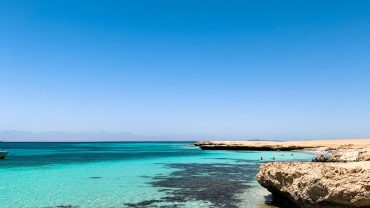
5. A Day on the Red Sea (Hurghada Area)
Morning: Boat trip to the Giftun Islands for snorkeling over the reef.
Midday: Lunch on board or on the beach, with some shade and rest.
Afternoon: Relax by the water or try a water sport.
Sunset: Watch the colors fall over the Red Sea.
Evening: Seafood dinner on the waterfront.
6. A Day in the Western Desert (White Desert)
Morning: Drive from Bahariya, stopping at the Black Desert and Crystal Mountain.
Afternoon: Explore the chalk formations of the White Desert.
Sunset: Watch the rocks turn pink and gold.
Evening: A campfire dinner and stargazing.
Next morning: Sunrise over the formations before heading back.
How to Plan Your Own Perfect Day
Pick one main theme. Ancient sites, river life, desert, sea, or city culture. Trying to do everything leads to rushing.
Start early, rest at midday, finish late. This follows the natural rhythm of the day and the weather.
Limit yourself to two or three major stops. Quality beats quantity, especially in the heat.
Book timed tickets and tours in advance where required, especially for the Grand Egyptian Museum and popular balloon or boat trips.
Leave room for the unplanned. A cup of tea with a shopkeeper or a conversation on a felucca often becomes the highlight.
Check opening hours and conditions. They change by season, day, and holiday, so confirm before you go.
Practical Tips for Any Day in Egypt
Dress for comfort and respect. Light, loose, breathable clothing, covering shoulders and knees, works well for heat and for local customs.
Carry water, sunscreen, and a hat. The sun is strong all year round.
Keep small change for tips and small purchases.
Use licensed taxis, trusted ride-hailing apps, or reputable drivers, and agree fares in advance when needed.
Take care of your belongings in crowded markets and busy sites.
Ask before photographing people, and check photography rules at museums and archaeological sites.
Respect prayer times and local customs. During Ramadan, plan around changed opening hours and the evening iftar rush.
Stay flexible. Weather, traffic, and schedules can change, and patience goes a long way.
Final Thoughts
An unforgettable day in Egypt isn’t about ticking off the most sights. It’s about moving with the light: a quiet dawn at an ancient monument, a slow lunch in the shade, a golden afternoon on the water, and a lively evening among the lanterns. Follow the sun, take your time, and let the day unfold, and Egypt will do the rest.
Explore exciting tours and unforgettable Red Sea adventures.
View Tours & Excursions →
Find your dream property by the Red Sea with flexible installments.
Explore Properties →


Comment (0)