
Hurghada is a well-known starting point for exploring the Red Sea, with a broad selection of dive operators and sites suited to different experience levels. Beginners are often drawn to the region’s warm water, colorful coral reefs, and generally good underwater visibility. These conditions can make it easier to observe marine life and become familiar with the surroundings, while local operators can help select a site appropriate for a first experience. The range of available trips also means visitors can compare services, group sizes, equipment, and instruction before booking.
A first dive is usually designed as a supervised introduction, not an independent deep-water excursion. An instructor typically explains how the equipment works, demonstrates basic underwater signals, and helps participants practise breathing through a regulator. After entering the water, divers proceed gradually and remain close to the instructor, who monitors comfort and provides guidance throughout. The aim is to become accustomed to breathing underwater and notice the reef at a manageable pace. Participants should feel able to ask questions, communicate discomfort, or pause; there is no requirement to continue if the experience does not feel right.
This introductory activity may be advertised as a try dive or Discover Scuba Dive. It differs from a certification course, which involves structured learning, skill practice, and assessments over a longer period, and can qualify a learner to dive within defined limits. An introductory dive offers a first taste of scuba but does not itself provide certification. Conditions are not identical every day: weather, currents, visibility, boat access, and the selected site can affect the experience. Individual comfort, health, and confidence also matter. Although Hurghada offers many welcoming options, no operator can guarantee that every dive will be effortless. Choosing a reputable provider, sharing relevant health information, and following the instructor’s directions can help beginners approach the experience safely and realistically.
Before booking, compare operators by their safety practices rather than price alone. Ask to see instructor credentials and confirm that staff are qualified to supervise beginner dives. Check which languages instructors can use for briefings and underwater communication. Clear explanations matter when you are learning unfamiliar procedures. Ask how many divers each instructor supervises, and whether groups are separated by experience level. Small, well-managed groups make it easier to receive attention and follow instructions safely.
Inspect details about equipment, including regulators, masks, buoyancy compensators, wetsuits, and cylinders; ask how gear is maintained and inspected. A responsible operator should explain emergency procedures, first-aid and oxygen equipment, and how staff contact emergency services. Confirm whether insurance is included or required separately, and complete medical screening honestly. Tell the operator about health conditions, medications, or symptoms before diving; do not withhold information to avoid a restriction. They can advise whether medical clearance is needed.
Read the price breakdown carefully. Ask whether hotel transfers, marine-park fees, equipment rental, meals, drinking water, and required taxes are included, and check what costs extra. Find out where beginners are taken: a sheltered site or shallow reef may be suitable, but the location depends on weather, visibility, and the day’s plan. Ask how the instructor adjusts depth, duration, and route to your experience and conditions. A good team should welcome questions and explain changes.
Prepare simple items: bring swimwear, a towel, sun protection, drinking water, and any medication you may need. Eat lightly beforehand, get a good night’s sleep, and avoid alcohol before diving. Be honest about your comfort level, and speak up if you feel unwell or uncertain. Diving and flying should not be scheduled too close together: decompression stress can increase risk after a dive. Waiting periods depend on dive profile, so follow current medical and dive-industry guidance.
Your first dive usually begins with arrival at the dive centre or boat, where staff confirm your booking and complete registration. You may be asked to fill in a health questionnaire so the operator can identify conditions that could affect diving. Procedures vary between operators, so listen to the instructions you are given and ask questions if anything is unclear. A qualified instructor will explain the plan, including where you will dive, how long the experience may last, and what signals to use underwater.
Next, the instructor helps you fit your mask, fins, regulator and buoyancy equipment, checking that everything is comfortable and works correctly. Before entering the sea, beginners commonly practise a few basic skills in shallow water. These may include breathing through the regulator, clearing water from the mask, and getting comfortable with the equipment. Your instructor demonstrates hand signals, including how to indicate that you are okay or need attention, and explains how to equalize pressure in your ears. During the dive, the instructor stays close, sets a manageable pace and depth, and guides you through each step.
Some sensations may feel unfamiliar at first. Breathing through a regulator can seem different from normal breathing, and pressure in your ears may change as you descend. It is normal to need a little time to relax and adjust. Breathe steadily, never hold your breath, and equalize gently and early; if equalizing becomes difficult, tell the instructor rather than forcing it. Signal promptly if you feel uncomfortable, tired, cold or anxious, and remain with your instructor throughout. Ascend only when directed, following the instructor’s pace and guidance. You can pause, return to the surface, or end the experience at any time. A first dive is not a test: communicating clearly and moving at a comfortable pace are more important than going deeper or staying underwater longer.
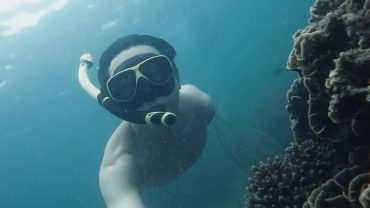
For many first-time divers, the Red Sea’s reefs are a memorable part of a Hurghada dive. You may spot colorful reef fish, coral formations, and other marine life, but no particular sighting is guaranteed. What appears underwater depends on the dive site, season, visibility, weather, and the animals’ natural behavior. Enjoy what you encounter rather than treating a specific animal as something the dive must deliver.
Responsible diving helps protect the reef and makes the experience safer. Follow your instructor’s guidance and work on maintaining buoyancy so you do not drift into the seabed or coral. Keep your hands, feet, and fins away from coral, which can be damaged by even brief contact. Never feed, chase, or try to touch marine animals. If you take photographs, do so from a respectful distance and avoid blocking an animal’s path or disturbing its habitat.
It is normal to feel nervous before entering the water, especially if you have not dived before. Tell the instructor about any concerns, and ask questions before the dive begins. Move slowly, breathe steadily, and stay close to the instructor or group. If water enters your mask, use the clearing technique only after it has been explained and practiced; signal for help if you feel unsure. Agree on hand signals and use them to communicate discomfort, difficulty, or a wish to pause.
Between dives, drink water and take breaks in the shade when possible. The sun, heat, and time on a boat can be tiring, so use suitable sun protection and follow the crew’s advice about when to apply it. Choose reef-safe products where available, and avoid letting sunscreen enter the water unnecessarily.
After the dive, consider how you felt, not how others expect you to feel. If you enjoyed the experience and felt comfortable, you can discuss another supervised dive or beginner certification with your instructor. If you felt anxious, tired, or uncertain, it is equally reasonable to stop. Ask the instructor about your progress and options, then decide without pressure.
Explore exciting tours and unforgettable Red Sea adventures.
View Tours & Excursions →
Find your dream property by the Red Sea with flexible installments.
Explore Properties →

Comment (0)