

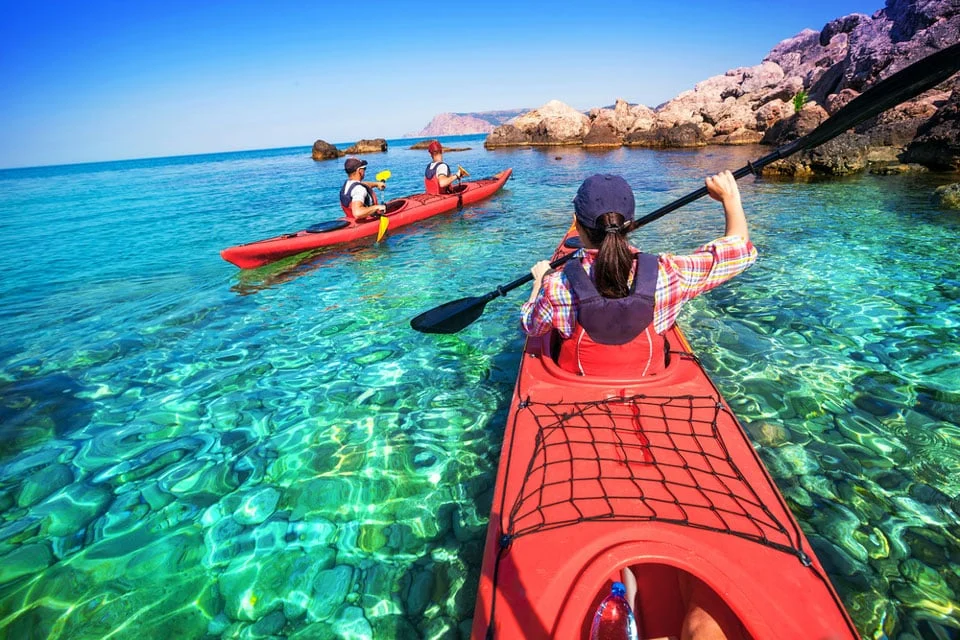

Understanding Adventure Tourism
Adventure tourism is a unique segment of the travel industry that caters specifically to those individuals seeking thrilling experiences beyond the realm of traditional tourism. Unlike conventional travel, which often emphasizes relaxation and cultural exploration, adventure tourism encompasses activities that involve a degree of risk and physical challenge. This sector attracts a diverse range of tourists who are motivated by the desire to push their boundaries and engage with nature in exhilarating ways.
The motivations behind adventure tourism are multifaceted. Many thrill-seekers are driven by the quest for adrenaline, a passion for exploration, or a desire for personal growth. For some, activities such as rock climbing, white-water rafting, or paragliding serve as opportunities for self-discovery and overcoming fears. Moreover, adventure tourism often cultivates a deeper connection with the environment, as participants are often immersed in natural landscapes that are both beautiful and rugged.
Adventure tourism can be categorized into various types, including hard, soft, and sustainable adventure. Hard adventure typically involves high levels of physical exertion and risk, such as extreme skiing or skydiving. Soft adventure, on the other hand, allows for more leisurely pursuits like hiking or wildlife safaris, making it accessible to a broader audience. Sustainable adventure tourism emphasizes responsible travel practices that benefit local communities and conserve natural resources, bridging the gap between enjoyment and environmental stewardship.
The impact of adventure tourism on local economies can be substantial. By attracting adventurers, regions may experience an influx of tourists which boosts local businesses and creates job opportunities. However, this growth must be balanced with environmental considerations, as the influx of visitors can strain local ecosystems if not managed properly. Thus, understanding the nuances of adventure tourism is essential for both travelers and destination managers aiming to promote sustainable practices within this exciting industry.
Adventure Tourism: Top Adventure Destinations
Adventure tourism continues to gain popularity among thrill-seekers looking for exhilarating experiences that often combine natural beauty with cultural richness. Among the most notable destinations for such pursuits are New Zealand, Nepal, and Costa Rica, each offering a unique array of activities that promise to satisfy even the most adventurous spirits.
New Zealand is renowned for its breathtaking landscapes and offers a plethora of extreme sports. Bungee jumping in Queenstown, regarded as the adventure capital of the world, provides adrenaline junkies with stunning vistas coupled with the thrill of free-fall. Beyond bungee, visitors can engage in skydiving, white-water rafting, and hiking the many rugged trails, including the famous Tongariro Alpine Crossing.
Nepal, on the other hand, is primarily known for its trekking opportunities, particularly in the Himalayas. The Everest Base Camp trek attracts thousands each year, offering not only physical challenge but also rich cultural encounters with local Sherpa communities. The stunning mountain vistas and the challenge of high-altitude trekking make Nepal a premier destination for outdoor enthusiasts.
Meanwhile, Costa Rica is a hub for eco-adventure activities, with its lush rainforests, diverse wildlife, and abundant waterways. Zip-lining through the treetops of Monteverde Cloud Forest allows adventurers to experience the thrill of flying while observing the unique flora and fauna. Additionally, activities such as white-water rafting on the Pacuare River and surfing the Pacific coast cater to those looking to inject a dose of excitement into their travels.
These destinations epitomize what adventure tourism stands for, combining physical challenges with stunning natural environments and rich local cultures. Each location not only caters to thrill-seekers but also provides opportunities for meaningful connections with nature and communities, ensuring an unforgettable adventure.
Unique Adventure Experiences
Adventure tourism encapsulates more than just traditional thrill-seeking activities. For those in pursuit of unique experiences, destinations like Iceland, the Namib Desert, and Uganda offer extraordinary opportunities that push the boundaries of adventure. One standout activity is ice climbing in Iceland. This exhilarating pursuit involves scaling frozen waterfalls and towering glaciers, providing adrenaline seekers with a unique blend of challenge and stunning natural beauty. The stark contrasts of white ice against the deep blue of the glacial formations inspire awe, creating an experience that is both thrilling and picturesque.
Another remarkable adventure awaits in the Namib Desert, where sandboarding is rapidly gaining popularity among adrenaline junkies. This exhilarating sport allows participants to ride down the hauntingly beautiful dunes that stretch for miles. The adventure combines speed and skill, as surfers navigate the vast sand landscapes with the stunning backdrop of the orange dunes, making it a visually captivating alternative to traditional snowboarding.
Uganda presents its own unique allure through the experience of white-water rafting on the Nile River. This adventure offers exhilarating rapids that are suitable for both seasoned rafters and newcomers eager to embrace the rush of the water. The majestic scenery of the surrounding landscape, along with the vibrant jungle flora and fauna, enhances the thrill, making it a memorable experience not easily forgotten.
These unique adventure tourism experiences, whether it’s ice climbing, sandboarding, or white-water rafting, provide thrill-seekers with opportunities to challenge themselves in unconventional environments. By choosing these lesser-known activities, travelers can immerse themselves in extraordinary locations and create stories that resonate long after the adventure concludes.
Planning Your Adventure: Tips and Considerations
Embarking on an adventure tourism trip requires thorough planning to ensure a safe and enjoyable experience. First and foremost, selecting the right destination is crucial. Consider your preferred activity level; whether you seek thrilling white-water rafting or serene hiking through lush forests, your choice should align with your physical fitness and experience. Research various locations that cater to your desired adventure and review feedback from other travelers to assess the best options.
Safety is paramount in adventure tourism. Always research the specific risks associated with the activities you plan on undertaking. It may be beneficial to familiarize yourself with the local emergency services and health facilities. Additionally, checking for necessary permits or regulations can save you from unnecessary hassles. For more remote destinations, guiding services can enhance both safety and knowledge. They assist with navigation and provide insights into the local ecology and culture.
Packing wisely is another integral part of planning. Essentials will vary based on the activities you choose but may include appropriate clothing, safety gear, and travel insurance. Utilize a checklist to ensure no important items are overlooked. Weather conditions can greatly affect your adventure, so staying informed about seasonal patterns will help you select the ideal time for your trip, maximizing enjoyment and minimizing risks.
As adventure travel grows in popularity, practicing responsible tourism becomes increasingly vital. Respect local cultures, adhere to guidelines in protected areas, and minimize waste to lessen your environmental impact. Choose accommodations that prioritize sustainability and support local communities. By following these practices, thrill-seekers can engage in exciting adventures while preserving the beauty of nature for future explorers.
Discover breathtaking adventure destinations and create memories full of adrenaline and fun. Turn your passion for excitement into reality with the best adventure tourism destinations worldwide.
0 Comment