
Egypt has been drawing travelers for thousands of years. Greek historians came to marvel at the pyramids, Roman emperors sailed up the Nile, and Victorian explorers wrote home about the temples of Luxor. Today the appeal is as strong as ever, and the numbers show it. Egypt is breaking its own tourism records, expanding its airports and museums, and offering far more than most visitors expect. Here’s why it keeps climbing travelers’ wish lists.
Egypt’s Tourism by the Numbers
Recent figures show a country in the middle of a tourism boom.
Record visitors in 2025: Egypt welcomed nearly 19 million tourists in 2025, a record and a 21 percent rise from the previous year, according to the country’s tourism minister.
Among the world’s fastest-growing destinations: Reports citing UN Tourism data describe Egypt as second globally for growth in tourist arrivals, behind only Brazil.
Leading the Middle East: UN Tourism’s report found that Egypt had the highest growth in international arrivals in the Middle East in 2025.
Africa’s top destinations: Egypt and Morocco were the continent’s most-visited nations in 2025, with Morocco at about 19.8 million arrivals and Egypt at 19 million.
Growing revenue: Egypt recorded a 17 percent rise in tourism revenue in 2025 in local currency, which suggests visitors are spending more as well as arriving in larger numbers.
Growth continuing: The tourism sector has continued to expand in 2026, with a 7 percent rise in arrivals in the first four months of the year.
A bigger goal: The government is aiming to attract 30 million tourists a year by 2030, and it already receives visitors from 179 countries.
Why Do So Many People Visit?
1. A Living Museum of Ancient History
Few places on Earth hold as many ancient wonders. Egypt offers:
The Pyramids of Giza and the Sphinx, the last surviving wonder of the ancient world.
The temples of Luxor and Karnak, with forests of giant columns.
The Valley of the Kings, where pharaohs were buried in painted tombs.
Abu Simbel, with its colossal statues of Ramses II.
Philae, Edfu, and Kom Ombo, temples that sit beside the Nile.
2. A New Museum That Draws Crowds
The Grand Egyptian Museum, near the pyramids, officially opened in November 2025, showcasing 7,000 years of history. Its Tutankhamun galleries, Grand Staircase, and colossal statue of Ramses II have given even repeat visitors a reason to return.
3. The Nile
The river is the heart of Egypt. A Nile cruise between Luxor and Aswan lets you watch farmland, villages, and desert drift past, stopping at ancient temples along the way. Felucca sailboats, sunset rides, and Nubian villages add a gentler layer to the trip.
4. The Red Sea
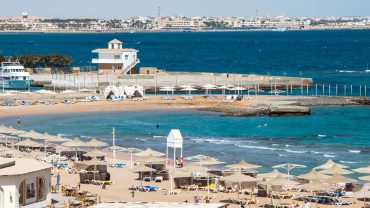
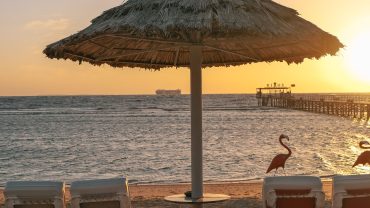
Egypt’s Red Sea coast offers warm water, coral reefs, and year-round sunshine. Hurghada, Sharm El Sheikh, Marsa Alam, and Dahab attract divers, snorkelers, kitesurfers, and beach holidaymakers. Reports note that Cairo, Hurghada, Sharm el-Sheikh, and Marsa Alam airports topped the list of airports receiving the most tourists in 2025. In the same year, tourist charter flights rose by 32 percent.
5. Deserts and Oases
The Western Desert offers some of the most dramatic landscapes in Africa, from the chalk formations of the White Desert to the palm groves and salt lakes of Siwa Oasis. Night safaris, camel rides, and Bedouin dinners under the stars are among the most memorable experiences in the country.
6. Culture, Food, and Hospitality
Visitors often say the people are what they remember most. Egypt’s hospitality, humor, and sense of community show up in everything from a cup of tea in a café to a family meal in a Nubian village. Food adds to the appeal, with dishes like koshari, ful medames, molokhia, and kunafa that are delicious and affordable.
7. Variety in One Country
Egypt lets you combine very different experiences in a single trip: pyramids in the morning, a Nile sunset in the evening, and a snorkeling day a short flight away. Few destinations offer such a wide range of landscapes and history.
Where Do Travelers Go?
Destination Known for
Cairo and Giza Pyramids, Sphinx, Grand Egyptian Museum, Islamic Cairo
Luxor Karnak, Valley of the Kings, Hatshepsut’s temple, balloon rides
Aswan Philae, Nubian villages, felucca rides, gateway to Abu Simbel
Alexandria Mediterranean coast, Bibliotheca Alexandrina, Qaitbay Citadel
Hurghada Beaches, snorkeling, diving, island trips, desert safaris
Marsa Alam Turtles, quiet reefs, Abu Dabbab Bay
Sharm El Sheikh and Dahab Diving, Sinai scenery, relaxed beach towns
Siwa Oasis Desert, springs, Amazigh culture
White Desert Chalk formations, camping, stargazing
Popular Experiences Visitors Love
Standing beside the Great Pyramid, then exploring the Grand Egyptian Museum
Cruising the Nile and visiting Edfu, Kom Ombo, and Philae
Floating over Luxor in a hot air balloon at sunrise
Snorkeling with turtles at Abu Dabbab
Visiting the Giftun Islands by boat
Riding camels at sunset and eating dinner at a Bedouin camp
Staying a night in the White Desert under the Milky Way
Hurghada: Egypt’s Red Sea Gateway
For many travelers, Hurghada is the first taste of Egypt. Its airport, beaches, and boat trips make it an easy starting point, and its location lets visitors reach Luxor on a long day trip or by overnight stay. Island tours, desert safaris, and diving trips fill the days, and the evenings are lively with seafood, markets, and entertainment. It also shows how Egypt’s tourism now combines history and beach holidays in a single trip.
When to Visit
October to April: The most comfortable months for sightseeing, with warm days and cooler evenings.
May to September: Very hot inland, though the Red Sea coast is popular for water activities. Plan outdoor sightseeing for early morning and late afternoon.
Ramadan and holidays: Opening hours change and some places are busier, but evenings can be festive.
Peak season: December to February is the busiest and most expensive time, so book early.
Practical Tips for First-Time Visitors
Check visa rules before you travel. Fees and procedures change, so use official sources.
Dress modestly outside beach areas, and carry a scarf for visiting mosques.
Carry small notes for tips, which are a normal part of life in Egypt.
Book key attractions in advance, especially timed tickets for the Grand Egyptian Museum.
Use licensed guides and operators, especially for diving, desert trips, and boat tours.
Drink bottled or filtered water, and choose busy restaurants with fresh food.
Protect yourself from the sun, with a hat, sunscreen, and plenty of water.
Respect local customs and the environment. Don’t touch coral, don’t take antiquities, and take your trash with you.
Check current travel advice from your own government before you go.
An Honest Look at the Challenges
Egypt’s growth isn’t without difficulties. The recovery has come after a challenging period shaped by currency instability, regional security concerns, and the indirect impact of the Gaza conflict on traveler sentiment. Industry reports also warn that geopolitical tensions, rising travel costs, and inflation in tourism services remain significant potential challenges. Visitors should expect crowds at major sites, persistent offers from sellers, and heat in summer. Planning ahead, choosing reputable operators, and staying flexible makes a big difference.
Sustainable Tourism: Protecting What Visitors Come to See
More visitors means more pressure on monuments, reefs, and desert landscapes. Travelers can help by:
Staying on marked paths at archaeological sites and in the desert
Never touching or standing on coral, and avoiding products made from marine life
Supporting local guides, artisans, and family-run businesses
Choosing operators who follow protected-area rules
Avoiding single-use plastic and carrying out all trash
Final Thoughts
Egypt may not top every global ranking by visitor numbers, but it is clearly one of the world’s most dynamic destinations, with record arrivals, growing revenue, a major new museum, and a mix of history, sea, and desert that few places can match. If you’ve been waiting for the right moment to go, the combination of new attractions and growing infrastructure makes this a very good time to plan a trip.
Explore exciting tours and unforgettable Red Sea adventures.
View Tours & Excursions →
Find your dream property by the Red Sea with flexible installments.
Explore Properties →
Comment (0)