
A full-day excursion to Luxor offers a remarkable contrast with Hurghada’s beaches, taking travelers into the heart of ancient Thebes. The journey is long, often involving several hours on the road each way, so expect an early departure and a late return. For many visitors, the travel time is worthwhile: Luxor brings together monumental temples, royal tombs, and striking landscapes along the Nile. A guided trip can make the history easier to understand and help coordinate transport between sites, but the day may feel demanding. Consider your comfort with a lengthy coach journey before booking, especially when traveling with young children or anyone who prefers a slower pace.
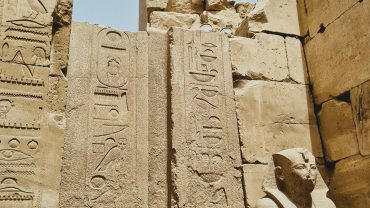
On Luxor’s East Bank, Karnak Temple is a major highlight. Built and expanded over many centuries, this vast complex includes monumental gateways, sanctuaries, and the famous Hypostyle Hall, whose towering columns demonstrate the scale and skill of ancient Egyptian construction. Some itineraries also visit Luxor Temple, closely associated with royal ceremonies and the city’s ancient religious life. Across the river, the West Bank offers a different perspective. The Valley of the Kings contains richly decorated royal tombs, including the burial place of Tutankhamun, while the Colossi of Memnon are imposing stone statues that once guarded the entrance to a mortuary temple. Each site reveals a distinct part of Egypt’s history and beliefs.
Tour plans vary, so check whether your chosen excursion covers East Bank monuments only or includes West Bank tombs and a Nile crossing. Also confirm which entrance fees are included; special tombs may require an additional ticket. Summer heat can be intense, particularly at exposed archaeological sites, so bring drinking water, sun protection, and comfortable shoes suitable for uneven ground. A licensed guide can provide useful context, though independent exploration may be limited by the schedule. Review the itinerary and total costs in advance, including any optional activities or meals. With realistic expectations and preparation, a Luxor day trip can be a memorable introduction to Egypt’s ancient heritage.
A day trip from Hurghada to Cairo offers a chance to see some of Egypt’s most recognizable landmarks, but it is also one of the most demanding excursions available from the Red Sea. The Giza pyramid complex and the Great Sphinx are the main draw: visitors can encounter monuments that have shaped the country’s image for centuries and explore a historic landscape very different from Hurghada’s beaches and resorts. For travelers with limited time in Egypt, the scale and significance of these sites can make the journey especially memorable.
The distance means the schedule is often intense. Road tours typically begin before dawn and involve many hours of travel in each direction, leaving a relatively limited window for sightseeing. Air connections may be offered on some dates or by particular operators, but availability, transfers, and time at the sites should be checked rather than assumed. Some itineraries include the Egyptian Museum or the Grand Egyptian Museum; which one is visited, and whether entry is included, can depend on current access arrangements and the operator’s schedule. Confirm the full itinerary, transport method, ticket costs, meal arrangements, and expected return time before booking.
Consider your tolerance for a long day of transit, heat, and busy visitor areas when deciding whether the trip is right for you. Comfortable walking shoes, water, sun protection, and clothing suited to strong sun can make the visit easier; crowds may also affect how long you spend at each landmark. Optional activities, such as entering a pyramid or taking a camel ride, may require separate payment and can involve queues, physical effort, or additional safety considerations. Ask about prices and conditions in advance, and do not feel obliged to participate. Cairo is a compelling choice for travelers determined to see the pyramids, but those seeking a relaxed outing may prefer an excursion closer to Hurghada.
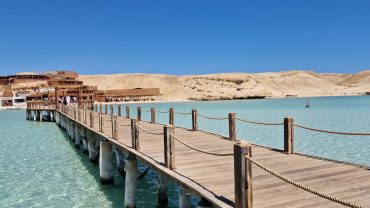
For travelers seeking a gentler day out than a long drive to inland landmarks, a boat trip to the Giftun Islands offers a rewarding escape close to Hurghada. Excursions usually depart from the marina in the morning, with the Red Sea crossing forming part of the experience. As the boat heads toward the islands, guests can enjoy open-water views and prepare for a day shaped by swimming, snorkeling, and time in the sun. Schedules and stop locations vary by operator, so check the itinerary before booking.
A typical trip includes one or more pauses at coral reefs, where clear water makes it possible to see colorful fish and other marine life. Snorkelers can explore from the surface, while those who prefer not to enter the water can relax on the boat. Many excursions also set aside time at an island beach, providing a chance to swim, walk along the shore, or simply unwind. Lunch is commonly served on board or in a designated beach area, though menus and arrangements differ between tours.
The reefs are a central attraction and deserve careful treatment. Observe marine life from a respectful distance, avoid touching coral, and never stand on it; even brief contact can cause damage. Pack swimwear, a towel, and reef-safe sun protection, and consider a hat and drinking water for time on deck or shore. If you are prone to seasickness, bring suitable precautions and follow the product guidance before departure. Before paying, confirm whether snorkeling equipment, hotel transfers, and any island access fees are included in the price. Ask about the boat’s facilities and the time available on the beach as well. With sensible preparation and responsible snorkeling, the Giftun Islands can provide a refreshing Red Sea day without the demands of an inland excursion.
A desert safari from Hurghada offers an accessible way to leave the resort coastline and experience the Eastern Desert’s open terrain. Operators commonly combine several activities in a half-day or evening outing, with options such as quad biking across marked routes, four-wheel-drive travel over rough tracks, and short camel rides. These trips can provide striking views of rocky hills and broad desert plains, especially when changing light at sunrise or sunset alters the landscape’s colors. Exact routes and duration depend on the provider and conditions.
Many itineraries include a stop at a Bedouin-style camp, where guests may be offered tea, a simple meal, or a demonstration of local customs. Such elements are not uniform: some excursions emphasize driving and scenery, while others allow more time at camp or add entertainment. The phrase “Bedouin-style” describes a visitor experience rather than guaranteeing an authentic cultural exchange. Before booking, compare the full itinerary, group size, pickup and return transport, and whether refreshments or meals are included. Ask how long is spent driving versus stopping, whether camel rides are optional, and what safety equipment and briefing are provided.
Preparation matters in an exposed, dusty environment. Wear closed shoes and lightweight clothing that covers skin without restricting movement; bring sunglasses or protective eyewear, and use sunscreen and a scarf or other dust protection. Carry water, and consider any health or mobility needs when selecting an excursion. Follow the guide’s instructions at all times, particularly when boarding or operating a vehicle, and remain within the designated route and group. Quad biking can be physically demanding, while a four-wheel-drive tour may suit travelers who prefer not to ride themselves. Confirm age limits, helmets, insurance, and the operator’s emergency arrangements in advance. Choose a pace and activity level suited to your experience and comfort.
Explore exciting tours and unforgettable Red Sea adventures.
View Tours & Excursions →
Find your dream property by the Red Sea with flexible installments.
Explore Properties →

Comment (0)