
Egypt attracts visitors from around the world, and many people complete their journeys without serious problems. Its archaeological sites, cities, coastal resorts, and Nile cruises draw large numbers of travelers each year. That broad picture, however, should not be taken as a guarantee that every place or situation carries the same level of risk. Conditions can differ between regions, and circumstances may change with little notice. A practical assessment of whether Egypt is safe to visit therefore depends on the route, timing, activities, and individual needs of each traveler.
Safety also extends beyond the risk of crime. Political developments, demonstrations, or changes to local security arrangements can affect movement and access to particular areas. Health considerations may include heat, dehydration, food and water choices, and access to medical care. Road travel deserves careful attention, since traffic conditions and driving practices can feel unfamiliar to visitors. Travelers may also encounter persistent sales approaches, unofficial charges, scams, or harassment. Awareness of local customs, including expectations around dress and behavior at religious or historic sites, can help reduce misunderstandings and make interactions more comfortable.
Before departure, consult the latest travel advisory issued by your government and review reliable, recent local updates. Advisories may distinguish between regions or types of travel, so read the details rather than relying only on a general rating. Check again shortly before leaving and during the trip, particularly if your plans involve remote areas or travel near borders. Tour operators, accommodation providers, and trusted local contacts can offer practical information about current routes and conditions, but compare advice with official sources. Keep plans flexible, follow instructions from local authorities, and use established transport and tour providers where appropriate. With informed preparation, travelers can make decisions suited to their itinerary without assuming that all destinations and experiences in Egypt are equally safe or unsafe.
Egypt’s main visitor routes include Cairo and Giza, where travelers visit museums, historic neighborhoods, and the Giza plateau; Luxor, known for its temples and tombs; and Aswan, a base for river visits and nearby archaeological sites. These established tourism areas generally have hotels, guides, transport services, and security arrangements designed to support visitors. However, conditions and procedures are not identical from one place to another, and arrangements can change around particular sites or events.
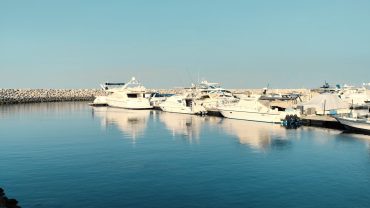
Nile cruises connect destinations such as Luxor and Aswan, offering a structured way to travel between major attractions. Red Sea resorts, including destinations along the coast, have a different tourism environment centered on beaches, diving, and resort facilities. A resort’s services and access controls should not be treated as representative of the whole country. Likewise, a busy city, a cruise itinerary, and a remote desert journey involve different transport options and practical considerations. Travelers should check the latest official travel advice for each region on their itinerary, rather than relying on broad impressions of Egypt’s safety.
Some remote areas and border regions may be subject to additional restrictions or heightened risks, and access may be limited. Before departure, confirm current entry requirements, including any visa or document rules relevant to your nationality and route. Keep paper and secure digital copies of your passport, visa, bookings, and emergency contacts, stored separately from the originals. Arrange dependable accommodation and transport in advance, especially for transfers between cities or visits outside established tourist centers. Ask providers about pickup details and how to reach them if plans change.
Review your travel insurance policy carefully: check that it covers the activities and destinations you plan to visit, as well as medical care, evacuation, and disruption where applicable. Tell someone at home your itinerary, accommodation details, and expected check-in times, and update them when plans change. These preparations do not guarantee a trouble-free trip, but they help you make informed choices and respond more effectively to unexpected circumstances.
For excursions and visits to major attractions, choose reputable tour operators and licensed guides, particularly when travelling beyond familiar tourist areas. Confirm what is included in the price, the duration of the service, and any additional fees before booking. Agree on fares with taxi drivers or prices with vendors before accepting a ride or service, and keep a small amount of cash available for routine purchases. In crowded markets, stations, and tourist sites, secure phones, wallets, and passports in zipped bags worn close to the body. Carry only what you need for the day, and leave spare valuables in a hotel safe when available.
Use recognized transport arranged through your accommodation, a reputable app, or an established taxi provider rather than accepting unsolicited rides. Check the destination and fare before setting off, and share journey details with someone you trust when appropriate. Road conditions and driving practices may differ from those at home, so use seat belts, remain alert as a pedestrian, and avoid night driving where possible. If you are driving, plan the route in advance and be cautious on unfamiliar roads; consider hiring a driver for longer journeys. Families should agree on a meeting point in busy places and ensure children know whom to approach if separated.
Dress respectfully, especially when visiting mosques, churches, or other religious sites; modest clothing that covers shoulders and knees is generally a considerate choice, and some places may have additional requirements. Follow posted rules, ask before photographing people, and observe local customs. Solo travelers can share itineraries with a trusted contact and check in regularly. If a sales pitch or unwanted attention becomes persistent, stay calm, give a brief, firm refusal, and move toward a staffed or busy area rather than escalating the exchange. Seek assistance from hotel staff or your guide, and contact local authorities if you feel threatened, are being followed, or need urgent help.
Before traveling to Egypt, review your routine vaccinations and consult a healthcare professional about any additional precautions suited to your health, itinerary, and planned activities. Seek advice well ahead of departure if you have a chronic condition, are pregnant, or need prescription medication. Carry enough medication for the trip, ideally in its original packaging, along with copies of prescriptions and a brief note describing important medical conditions or allergies. Check rules on bringing particular medicines into the country before packing them.
Food, water, and weather precautions can help reduce common travel-related problems. Where tap water is not considered safe to drink, choose sealed bottled water or use an appropriate treatment method, and check that bottle seals are intact. Take care with ice and water used for brushing teeth if you are unsure of the local supply. Egypt’s heat and strong sun can increase the risk of dehydration and heat illness, especially during outdoor sightseeing. Use sunscreen, wear a hat and light clothing, drink fluids regularly, and schedule strenuous activities for cooler parts of the day when possible.
Prepare for emergencies before you leave. Save local emergency numbers and the contact details of your country’s embassy or consulate, and note how to reach them from your destination. Keep travel insurance information, medical details, and emergency contacts accessible both on your phone and in a separate copy. Confirm that your policy covers the activities and locations in your plans, and understand how to request assistance or arrange medical care.
Whether Egypt feels safe to visit depends on your itinerary, timing, personal needs, and conditions at the time of travel. A city-based trip, a remote excursion, and a journey near a restricted or unstable area may involve different considerations. Review current government travel advisories and reliable local updates shortly before departure, then make a realistic plan that accounts for transport, health needs, and contingency options. Neither dismissing potential risks nor assuming the entire country is uniformly unsafe offers a useful basis for deciding. An informed choice reflects current evidence and your own comfort with the remaining uncertainties.
Explore exciting tours and unforgettable Red Sea adventures.
View Tours & Excursions →
Find your dream property by the Red Sea with flexible installments.
Explore Properties →

Comment (0)