
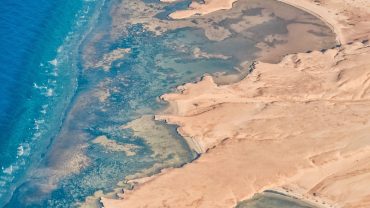
Hurghada is an accessible introduction to Egypt’s Red Sea coast, combining reliable sunshine, broad beaches, and a well-developed tourism network. First-time visitors can settle into comfortable resorts, find restaurants and services with relative ease, and enjoy the sea without needing extensive travel experience. The coastline is especially appealing for its clear water, colorful reefs, and offshore islands, while the surrounding desert provides a striking contrast to the blue expanse. This combination allows travelers to balance quiet days by the pool with snorkeling, diving, boat trips, desert safaris, and excursions to Egyptian cultural landmarks.
The city is spread across several distinct areas. El Dahar, often regarded as the older central district, has local markets, everyday shops, and a more traditional urban atmosphere. The newer marina area is more polished, with waterfront promenades, cafés, restaurants, and evening activity. South of the center, resort neighborhoods extend along the coast, offering beaches, hotels, water-sports centers, and family-oriented facilities. Understanding this layout helps visitors choose accommodation according to their priorities, since attractions are distributed rather than concentrated in one historic center.
Expectations are important: Hurghada is primarily a coastal resort city, not an old town filled with monuments and ancient streets. Its greatest strengths are convenient access to reefs, islands, desert landscapes, and organized trips to major Egyptian sites. The most comfortable seasons are generally autumn through spring, when temperatures are milder; summer brings intense heat but remains popular for beach holidays. A stay of five to seven nights usually allows enough time for relaxation, a marine excursion, a desert experience, and at least one cultural or day trip, although longer visits suit travelers seeking a slower pace.
The recommendations in this guide are selected for their scenery, accessibility, variety, safety, and suitability for first-time travelers. Together, they present a practical overview of what makes Hurghada an easy and rewarding starting point for exploring the Red Sea region.
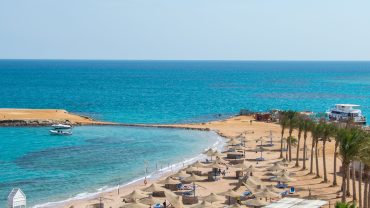
Hurghada’s resort beaches are an easy introduction to the Red Sea. Many have gently shelving water, sun loungers, shaded areas, showers, and nearby cafés, making them convenient for swimming, paddling, and relaxed sunbathing. Conditions vary between private hotel beaches and public stretches, so visitors should check access arrangements before arriving. Families and travelers who prefer a calm, familiar setting may find a resort beach more comfortable than an open-water excursion.
For clearer water and a more memorable coastal experience, boat trips commonly visit Giftun Island and Orange Bay. Giftun’s sandy shores and bright turquoise sea are well suited to swimming, snorkeling, and unhurried beach time, while Orange Bay is known for its soft sand, shallow water, and relaxed atmosphere. A typical day trip combines a boat ride with one or more reef stops, allowing visitors to see colorful fish, coral formations, and, when visibility and local conditions permit, larger marine life. The scenery is particularly striking on sunny days when the sea shifts between deep blue and emerald.
Travelers can choose among organized island excursions, private boat charters, and shore-based snorkeling. Group trips are generally the most convenient and affordable, with transport, equipment, meals, and an itinerary arranged in advance, although they offer less flexibility and may feel busy. A private charter costs more but permits a customized schedule, quieter sites, and longer stops. Shore snorkeling avoids a full-day boat trip and can be practical for beginners, children, or visitors with limited time, though the reef access and marine life may be more limited.
Before booking, select an established operator with clear safety procedures, maintained equipment, qualified guides, and transparent inclusions. Check the weather, wind, and sea forecast, and ask whether the itinerary is suitable for children or non-confident swimmers. Wear reef-safe sunscreen, use a life jacket when advised, and avoid standing on, touching, or collecting coral. Comfortable water shoes, a rash guard, drinking water, and a dry bag can also improve the experience. Respecting the reef helps preserve Hurghada’s underwater attractions for future visitors.
Hurghada offers more than beaches and boat trips. In El Dahar, the city’s older inland district, visitors can see a more local side of daily life. Markets sell spices, fruit, clothing, household goods, and souvenirs, while small restaurants provide opportunities to sample Egyptian dishes such as koshari, falafel, grilled meats, and fresh bread. Walking through the area can be rewarding, although the streets may be busy and shopkeepers may approach visitors. Polite, firm communication and attention to personal belongings make the experience more comfortable.
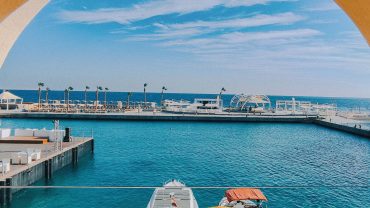
For an easier evening outing, Hurghada Marina and its nearby promenade provide a polished waterfront setting. Restaurants, cafés, shops, and open-air seating overlook the harbor, and the promenade is well suited to a relaxed walk after sunset. The atmosphere is generally more visitor-oriented than El Dahar, making it convenient for travelers who want dining and waterfront views in one location.
Mosques and churches offer insight into the religious and architectural character of the city, but they should be approached as active places of worship rather than interchangeable tourist attractions. Visitors should check whether entry is permitted, dress modestly, cover shoulders and knees, remove shoes when requested, keep voices low, and avoid photography unless permission is clearly given. During services or prayer, observing from an appropriate distance is essential.
Beyond the urban area, desert excursions introduce a different side of the Red Sea region. Quad biking, dune rides, Bedouin-style visits, sunset trips, and stargazing are commonly arranged through hotels, local agencies, or tour operators. Packages may include transportation, equipment, a guide, refreshments, meals, or cultural performances, but inclusions vary considerably. Confirm pickup times, vehicle arrangements, insurance, group size, and additional charges before booking.
To balance adventure with comfort, choose reputable operators, wear sturdy closed shoes, use sunscreen, cover exposed skin, and carry sufficient water. Travelers seeking a quieter experience should avoid tours built around aggressive sales pitches or large, tightly scheduled groups. Respect for desert communities, guides, animals, and local customs helps ensure that these excursions remain enjoyable and responsible.
A practical Hurghada itinerary should balance time on the water, local exploration, and rest. On a three-day visit, use the first day for arrival, airport transfer, hotel check-in, and a relaxed walk along the marina. Reserve the second day for snorkeling or a Giftun Island excursion, then keep the evening free for dinner. On the third day, explore El Dahar, browse local shops, and visit the market before departing or enjoying a final beach afternoon. With four or five days, add a desert safari or quad-bike trip, and consider a longer excursion to Luxor only if the journey fits your energy, budget, and interests.
Choose accommodation according to your priorities. All-inclusive resorts offer convenience and organized activities, while hotels near the marina provide easier access to restaurants, nightlife, and evening walks. Quieter beachfront properties suit travelers seeking relaxation, whereas central accommodation can simplify access to local minibuses, taxis, and shops. Confirm whether airport transfers are included, and arrange a hotel car or reputable transfer service in advance when possible.
Book marine and desert tours through established operators, checking what transport, meals, equipment, and cancellation terms are included. Carry Egyptian pounds for small purchases, tips, taxis, and markets, while using cards at larger hotels and businesses. Keep some cash in separate places, agree on taxi fares before departure, and ask the hotel to arrange transportation when uncertain. Tipping is customary for helpful service, but modest, discretionary amounts are appropriate.
Strong sun, heat, and wind can make activities tiring, so schedule demanding excursions early, drink water regularly, use high-SPF sunscreen, and bring a hat, sunglasses, and light clothing. Travel insurance should cover medical care, water activities, cancellations, and lost belongings. Protect valuables, use licensed guides, avoid isolated areas after dark, and follow boat and beach safety instructions. Keep the schedule flexible: sea conditions may cancel snorkeling trips, and choosing a few high-quality experiences is usually more rewarding than attempting to see everything.
Explore exciting tours and unforgettable Red Sea adventures.
View Tours & Excursions →
Find your dream property by the Red Sea with flexible installments.
Explore Properties →
Comment (0)