

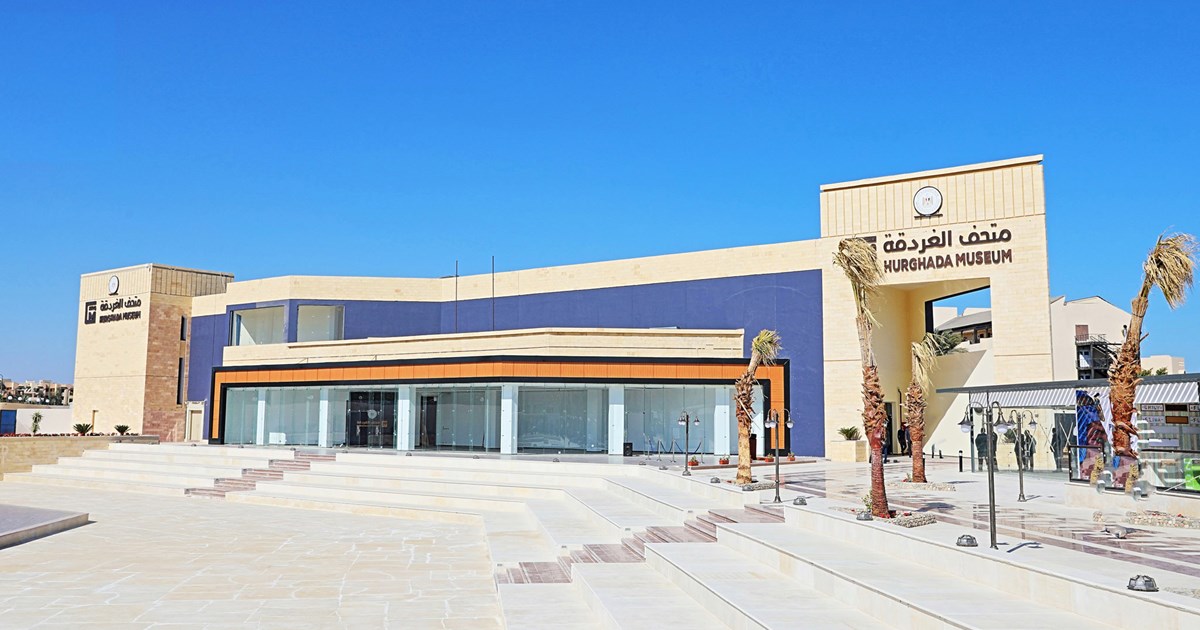

Introduction to Hurghada Museum
The Hurghada Museum, located in the vibrant coastal city of Hurghada, Egypt, stands as a monumental testament to the country’s rich and diverse history. Established in recent years, this museum has quickly established itself as an essential pillar of cultural heritage and education within the region. It serves not only as a repository of artifacts but also as a gateway for both locals and tourists to engage with Egypt’s extensive past.
One of the primary functions of the Hurghada Museum is to preserve and showcase artifacts that reflect Egypt’s historical and cultural tapestry. This is crucial in a nation known for its monumental architecture and ancient civilizations. The museum houses a variety of items that span different epochs, from the Pharaonic era through the Islamic period, allowing visitors to grasp the chronology and evolution of Egyptian society.
Significantly, the Hurghada Museum also aims to educate the public about the archaeological efforts being made in the Hurghada region and beyond. With many archaeological sites scattered across Egypt, the museum plays a pivotal role in informing visitors about ongoing discoveries and the importance of preserving these sites for future generations. This educational aspect enhances the cultural experience for all who visit.
In terms of its impact on the local community, the museum serves as an attraction that boosts tourism, providing economic benefits to the area. It draws both national and international visitors, fostering a greater appreciation for Egyptian history among diverse audiences. Whether it is through guided tours or interactive exhibits, the Hurghada Museum plays a vital role in the cultural landscape, contributing to the understanding and appreciation of Egypt’s remarkable heritage.
Exhibits and Collections: A Glimpse of Egypt’s Heritage
The Hurghada Museum offers an extensive array of exhibits that vividly showcase the rich heritage of Egypt. Among the most notable collections are the antiquities that span various epochs of ancient Egyptian history. Visitors can explore artifacts that range from the prehistoric period to the Pharaonic era, each piece telling a tale of a civilization that flourished along the banks of the Nile.
One of the highlights of the museum is its impressive collection of statues and sculptures, meticulously carved from stone and wood. These artworks not only reflect the artistic prowess of ancient Egyptian craftsmen but also depict significant figures and deities in their vibrant cultural context. The intricate details found in these sculptures bring to life the religious practices and daily activities of the people from that era.
Furthermore, the museum houses a selection of mummies and burial artifacts that provide insights into ancient Egyptian funerary practices. These items are crucial for understanding the beliefs surrounding death and the afterlife in ancient culture. Each exhibit is well-curated, with informative placards that offer visitors a deeper understanding of their significance.
Additionally, the Hurghada Museum places special emphasis on unique items that narrate specific stories of Egypt’s past. For instance, rare pottery destined for everyday use and ceremonial occasions sheds light on the daily lives of ancient Egyptians, showcasing their craftsmanship and social customs. The diverse range of exhibits not only opens a window into the past but also highlights the various influences that shaped Egyptian civilization over centuries.
In conclusion, the exhibits and collections at the Hurghada Museum play a vital role in preserving and interpreting Egypt’s rich heritage. By immersing visitors in antiquities, artifacts, and sculptures, the museum encourages a greater appreciation for the profound historical narratives that continue to resonate within the heart of Egypt today.
Visitor Experience: What to Expect
The Hurghada Museum offers an enriching visitor experience that immerses guests in Egypt’s rich historical tapestry. Upon arrival, visitors can expect a warm welcome from the museum staff, who are eager to assist in making the visit memorable. The museum is typically open from 9:00 AM to 7:00 PM, providing ample time for exploration, although these hours may vary seasonally. It is advisable to check the museum’s official website or contact them for any changes in hours or special events.
Ticket prices are quite reasonable, catering to both local and international tourists. Adult tickets generally range around 150 Egyptian Pounds, while discounts may be available for students and children, making it an affordable destination for families. Guided tour options are also offered, enhancing the experience by providing deeper insights into the exhibits and the magnificent artifacts on display.
To maximize the visit, guests should prioritize must-see exhibits such as the artifacts from the ancient Nile civilization, including intricate jewelry and pottery that highlight the artistry and craftsmanship of the time. Additionally, the interactive displays can engage younger audiences, allowing them to learn through tactile experiences. Early morning or late afternoon visits are recommended to avoid peak crowd times, enabling a more leisurely exploration of the museum’s extensive collections.
Visitors are encouraged to pace themselves, as the museum houses a vast array of exhibits that can easily fill several hours of exploration. Lastly, bringing along a notebook or using a mobile device to jot down interesting facts or take photos (where permitted) can help in recalling the visit long after it has concluded.
Cultural Significance and Community Engagement
The Hurghada Museum serves not only as a repository of artifacts but also as an essential institution that fosters community engagement and cultural appreciation among the local population. By showcasing the rich history of Egypt, the museum plays a pivotal role in strengthening the cultural identity of the residents and promoting awareness of their heritage. Through various programs and events, the Hurghada Museum invites locals to participate in initiatives that highlight the importance of preserving their collective past.
One of the museum’s primary objectives is to engage the community in educational programs aimed at enhancing knowledge about Egypt’s archaeological treasures. These educational initiatives often include workshops, guided tours, and lectures that encourage local schoolchildren to explore their cultural background. By targeting the younger generation, the museum aims to instill a sense of pride and responsibility for the cultural assets of the region, ensuring that the stories and traditions of Egypt are not only remembered but actively celebrated within the community.
Additionally, the Hurghada Museum collaborates with local artists and cultural practitioners to showcase contemporary interpretations of traditional art and crafts, bridging the gap between the past and the present. This collaboration not only enriches the museum’s exhibitions but also provides a platform for local talent to gain recognition and contribute to the ongoing dialogue about Egyptian heritage. The museum’s commitment to accessibility and inclusivity further emphasizes its role as a cultural hub, where the diverse narratives of the community can be expressed and shared.
In conclusion, the Hurghada Museum stands as a vital institution that enhances the cultural significance of the local area. Through its community engagement strategies and educational efforts, it fosters a deeper understanding of Egyptian heritage, ensuring that the cultural identity remains vibrant and relevant in a rapidly changing world.
Explore exciting tours and unforgettable Red Sea adventures.
View Tours & Excursions →
Find your dream property by the Red Sea with flexible installments.
Explore Properties →
0 Comment