

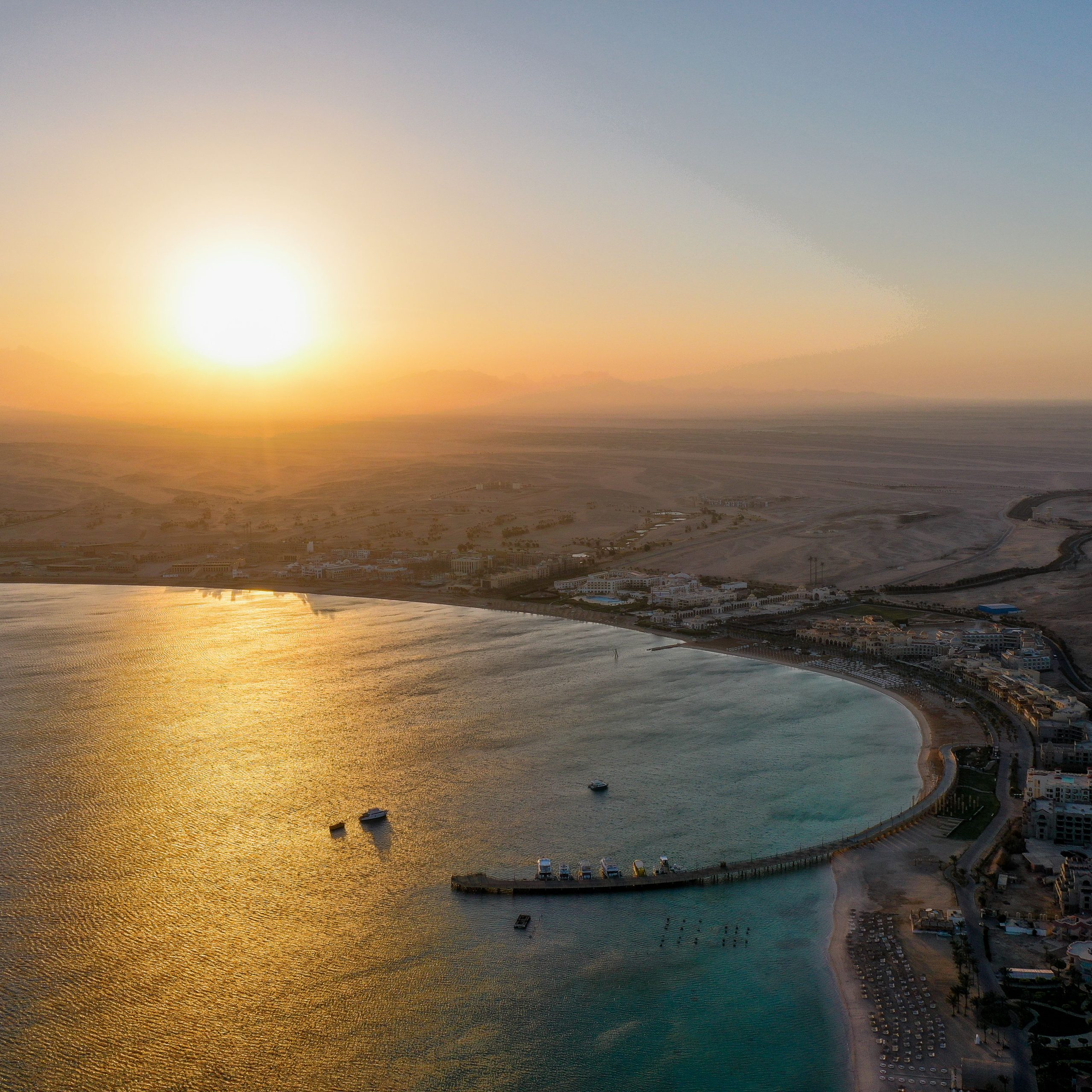

Overview of Hurghada’s Climate
Hurghada, a prominent resort town located along the Red Sea coast of Egypt, boasts a distinctive climate characterized by its warm temperatures and minimal rainfall throughout the year. This appealing climate has cemented Hurghada’s status as a year-round destination for travelers seeking sun and sea.
The summer months, specifically from June to September, experience high temperatures, often reaching up to 40°C (104°F) or more. During this period, visitors can expect clear skies and the warmest sea temperatures, making it ideal for swimming and other water activities. Conversely, the evenings tend to be cooler, offering a comfortable reprieve from the daytime heat.
As autumn arrives from October to November, the climate transitions into a more moderate phase. Daytime temperatures typically range from 25°C to 30°C (77°F to 86°F), which is ideal for outdoor activities such as sightseeing and exploring local attractions. Rainfall during this season remains scarce, ensuring that visitors can enjoy the stunning natural surroundings without disruptions from weather conditions.
Winter, from December to February, introduces milder temperatures, averaging around 15°C to 24°C (59°F to 75°F). Although this season has the potential for occasional rainfall, it remains relatively rare, allowing for pleasant outdoor experiences. This time is particularly appealing for tourists from colder regions seeking warmth and sunshine.
Finally, spring, spanning March to May, sees a gradual increase in temperature, with averages ranging from 20°C to 30°C (68°F to 86°F). This season is characterized by warm, sunny days and cool nights, making it perfect for both relaxation and adventure. Overall, Hurghada’s consolidated climate, featuring consistently warm temperatures and scant precipitation, renders it an enticing choice for those wishing to escape harsh winter conditions elsewhere.
Seasonal Breakdown: When to Visit
Hurghada, a popular resort town on Egypt’s Red Sea coast, offers a diverse experience throughout the year, characterized by distinct seasonal variations that influence its climate, tourist traffic, and overall atmosphere. Understanding these seasons is crucial for potential visitors.
Peak tourist season generally spans from December to February when travelers flock to Hurghada to escape colder climates. During these winter months, the weather is mild, with temperatures averaging between 20 to 25 degrees Celsius (68 to 77 degrees Fahrenheit). This pleasant climate, combined with the holiday festivities, attracts a significant number of tourists, leading to crowded beaches and higher accommodation prices. In such conditions, visitors should expect a bustling environment, lined with activities and social gatherings.
Transitioning into spring, March to May serves as a bridge between the peak and the off-peak seasons. Temperatures begin to rise, but the influx of tourists gradually diminishes as the crowd sizes thin out. This period brings significant advantages, including more budget-friendly accommodation options and short wait times at popular attractions. Visitors during this shoulder season can enjoy a more relaxed experience while still benefiting from favorable weather for outdoor activities.
Summer months, from June to August, are characterized by extreme heat, with temperatures often soaring above 40 degrees Celsius (104 degrees Fahrenheit). Consequently, many tourists choose to avoid visiting during this scorching period. However, those who are undeterred can enjoy substantial discounts on travel and accommodation. Additionally, the reduction in crowd sizes means that visitors can experience a more tranquil environment, allowing for a more immersive experience in local culture and relaxation.
Finally, the autumn months of September to November signal the return to moderate temperatures, making this another favorable time to visit. With reduced crowd sizes and attractive pricing, the autumn season serves as an excellent opportunity for visitors seeking a peaceful getaway without compromising on comfort.
Sea Temperature Insights
The coastal city of Hurghada is renowned for its beautiful beaches and rich marine life, making it a preferred destination for water enthusiasts. The sea temperatures in Hurghada fluctuate throughout the year, with each month presenting unique opportunities for swimming and various aquatic activities. Understanding these variations in sea temperature is essential for anyone planning a visit focused on water sports.
During the winter months of December to February, sea temperatures typically range from 20°C to 22°C (68°F to 72°F). While these temperatures may be on the cooler side for some, they still allow for enjoyable swimming experiences if one is acclimated to slightly lower temperatures. During this period, activities such as snorkeling can still be ideal, particularly for those who are eager to witness the vibrant underwater ecosystems without the crowds.
As spring approaches, from March to May, the sea begins to warm significantly, with average temperatures reaching between 22°C and 26°C (72°F to 79°F). This is an excellent time for activities like scuba diving and jet skiing, as the visibility underwater improves, and the waters become increasingly inviting. April and May, in particular, are seen as the optimal months to enjoy both swimming and other water sports.
Summer in Hurghada, occurring from June to August, signals peak temperatures with the sea averaging between 26°C and 29°C (79°F to 84°F). This warm water provides favorable conditions for all types of water activities, including parasailing and windsurfing. The summer months are particularly popular, drawing both local and international tourists eager to explore the warm, inviting waters.
As fall approaches, from September to November, the water remains pleasantly warm, with temperatures ranging from 25°C to 28°C (77°F to 82°F). This transitional season signals another favorable period for swimming and water sports before the temperatures begin to dip in winter. Therefore, September and October are considered excellent months for underwater exploration and various other water-based activities.
Travel Tips for Visiting Hurghada
When planning a trip to Hurghada, it is essential to consider the prevailing weather and sea conditions, as these factors can significantly impact your travel experience. It is advisable to consult weather forecasts regularly in order to select the best time for your visit, especially if you are planning outdoor activities.
Packing appropriately for Hurghada is crucial, given its hot desert climate. Lightweight, breathable clothing is recommended to combat the high temperatures, particularly during the summer months when daytime heat can be intense. Additionally, a wide-brimmed hat, sunglasses, and sunscreen should be included to provide protection against the sun’s harmful rays. If you plan to engage in water sports or other outdoor activities, swimwear and quick-dry fabrics will be useful.
Hydration is another key consideration while visiting Hurghada, particularly during the hotter months. Travelers are advised to drink plenty of water throughout the day to avoid dehydration, especially if participating in strenuous activities. It is also wise to take regular breaks in shaded areas, especially between 11 AM and 3 PM when the sun is at its peak.
Different seasons bring varied opportunities for activities in Hurghada. For those interested in snorkeling or diving, the summer months may provide optimal sea conditions, with visibility being at its best. On the other hand, the winter months are more suitable for land excursions and sightseeing, as the weather is cooler, making it more comfortable for outdoor exploration. Always check local conditions and guidelines to ensure safety, particularly while engaging in marine activities.
Overall, understanding the weather patterns and planning accordingly will enhance your experience in Hurghada. By taking the time to prepare properly, you can fully enjoy the scenic beauty and vibrant marine life of this popular destination.
0 Comment