

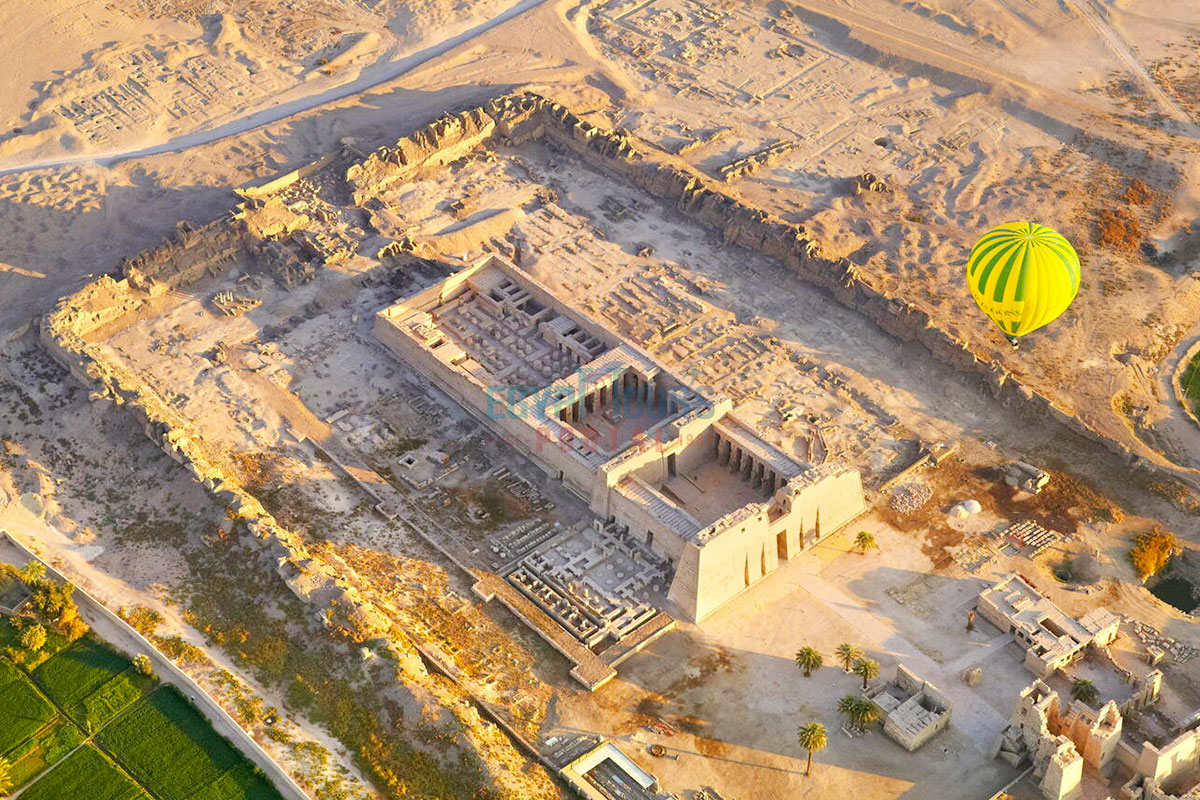

Introduction to Medinet Habou: The Temple of Ramses III
Medinet Habou stands as a remarkable testament to the grandeur of ancient Egyptian civilization and a key historical site located in the west bank of Luxor. This ancient temple complex, primarily dedicated to Ramses III, serves as a mortuary temple that showcases not only the architectural prowess of the period but also the rich tapestry of religious practices. Built during the 20th Dynasty, around 1186 to 1155 BCE, it is often overlooked in favor of the more famous temples of Karnak and Luxor, yet it is equally significant.
The architecture of Medinet Habou is striking. The temple features high walls adorned with intricate reliefs and inscriptions that narrate the military victories of Ramses III over the Sea Peoples, as well as elaborate scenes from ancient Egyptian mythology. The design is characterized by large courtyards, towering columns, and a plethora of chambers used for various ceremonial purposes. The temple’s grandeur not only reflects the power of the pharaoh but also serves to illustrate the central role of religion in daily life during that time.
Medinet Habou is also pivotal for understanding ancient Egyptian belief systems, as it was designed to ensure the pharaoh’s safe passage into the afterlife. The temple contains numerous shrines and sanctuaries, encapsulating an array of deities worshiped by the ancient Egyptians. This makes the site invaluable for historians and archaeology enthusiasts alike, providing insights into the spirituality that underpinned the culture.
For travelers and history buffs visiting Luxor, Medinet Habou is a must-see destination that offers a glimpse into the past. This blog post will delve deeper into the temple’s history, its architectural nuances, and the rich stories etched into its walls, inviting a deeper appreciation for one of Egypt’s ancient treasures.
Exploring the Architectural Marvels of Medinet Habou
Medinet Habou, located west of the Nile River in Luxor, stands as a testament to the architectural ingenuity of ancient Egypt. This vast temple complex, dedicated to the renowned Pharaoh Ramses III, exemplifies the grandeur and intricacy of ancient Egyptian design. The layout of the temple is characterized by a series of colonnades, courtyards, and shrines, all meticulously arranged to create a harmonious space that invites exploration.
The design of Medinet Habou is marked by its impressive outer walls, which are adorned with intricate carvings and inscriptions that depict the significant military victories of Ramses III. These artistic elements not only showcase the aesthetic capabilities of the artisans of that era but also serve to communicate the Pharaoh’s divine right to rule. Among the most notable features are the detailed reliefs illustrating battles and religious rituals, which provide insights into both the historical context and the spiritual beliefs of the time.
In addition to the grand architecture, the temple’s decorative art holds significant religious meaning. The vivid imagery represents not just the accomplishments of Ramses III, but also encapsulates the broader narrative of the divine connection between the Pharaoh and the gods. Each carving and inscription is intentional, designed to convey deep spiritual significance, reinforcing the idea of the Pharaoh’s role as a mediator between the divine and earthly realms.
Visitors exploring Medinet Habou will undoubtedly appreciate how the architecture and artwork converge to create a sacred atmosphere that reflects ancient Egyptian religious practices. The complex remains a vital part of Egypt’s historical narrative, offering insights into the past that continue to captivate scholars and tourists alike.
Visitor Experience: Tips for Exploring Medinet Habou in 2025
Exploring Medinet Habou is an enriching experience that offers a window into ancient Egyptian history. To enhance your visit in 2025, it is essential to consider practical tips regarding opening hours, entrance fees, and optimal visiting times. Medinet Habou typically operates between 6:00 AM and 5:00 PM, and planning your visit during the early morning or late afternoon can help you avoid peak crowds and the midday heat.
As for entrance fees, it is advisable to check the official website or local resources, as they may vary. Guided tours are highly recommended for first-time visitors. These tours not only enrich your understanding of the temple’s significance but also provide insight into the intricate hieroglyphics and artwork that adorn its walls. Knowledgeable guides can share stories of the Pharaohs and offer context that enhances the overall experience.
For photography enthusiasts, Medinet Habou presents numerous captivating spots. Capture the grand architecture and detailed reliefs, especially during golden hour, which provides ideal lighting conditions. Remember to be mindful of other visitors and maintain a respectful distance when taking photos, particularly in areas where cultural etiquette is paramount.
Nearby attractions, such as the Valley of the Kings and the Temple of Hatshepsut, offer additional opportunities to explore ancient history. Combining these sites with Medinet Habou can make for a fulfilling day of discovery.
Additionally, it is essential to respect local customs while visiting. Dress modestly and be aware of cultural norms so that you can navigate the site gracefully. Medinet Habou is a remarkable testament to Egypt’s rich heritage, and adhering to these tips will help you make the most out of your journey through this ancient temple complex in 2025.
The Cultural Legacy of Medinet Habou in Modern Egypt
The cultural legacy of Medinet Habou in modern Egypt is a testament to the enduring significance of ancient Egyptian civilization. This remarkable site, nestled in the heart of Luxor, serves not only as a monument to the past but also as a vibrant reminder of the rich history and heritage that continues to shape the identity of contemporary Egypt. Medinet Habou, with its stunning temples and intricate reliefs, embodies the artistry and architectural prowess of ancient Egyptians, illustrating their deep spiritual beliefs and social values.
For today’s visitors, exploring Medinet Habou is akin to stepping back in time. The temple complex not only allows for an appreciation of the grand designs and detailed artwork synonymous with the New Kingdom but also invites reflections on the lives and beliefs of those who walked its halls millennia ago. Its presence in the world of archaeology draws scholars, tourism enthusiasts, and historians alike, who view it as a vital piece in understanding the broader narrative of ancient Egypt. This significance becomes even more pronounced in the context of global tourism, where Medinet Habou stands as a symbol of Egypt’s cultural heritage, attracting visitors from around the world.
Furthermore, the site significantly impacts Egypt’s contemporary cultural identity. It acts as a bridge between the past and the present, fostering a sense of pride amongst Egyptians regarding their ancient ancestry. Such sites nurture a collective memory that is essential for any society, reinforcing cultural values and continuity. With scholars and tourists alike recognizing its importance, there is a growing initiative to preserve and promote Medinet Habou. As you contemplate your travels in 2025, consider planning a visit to this incredible site. Experiencing Medinet Habou firsthand provides an opportunity to engage with one of the most profound legacies of human history, enriching your understanding of both the ancient and modern worlds.
Explore Medinet Habou – Discover Luxor’s Ancient Treasures Today Plan Your Visit to Medinet Habou & Step Back in Time
0 Comment